Deal
Deal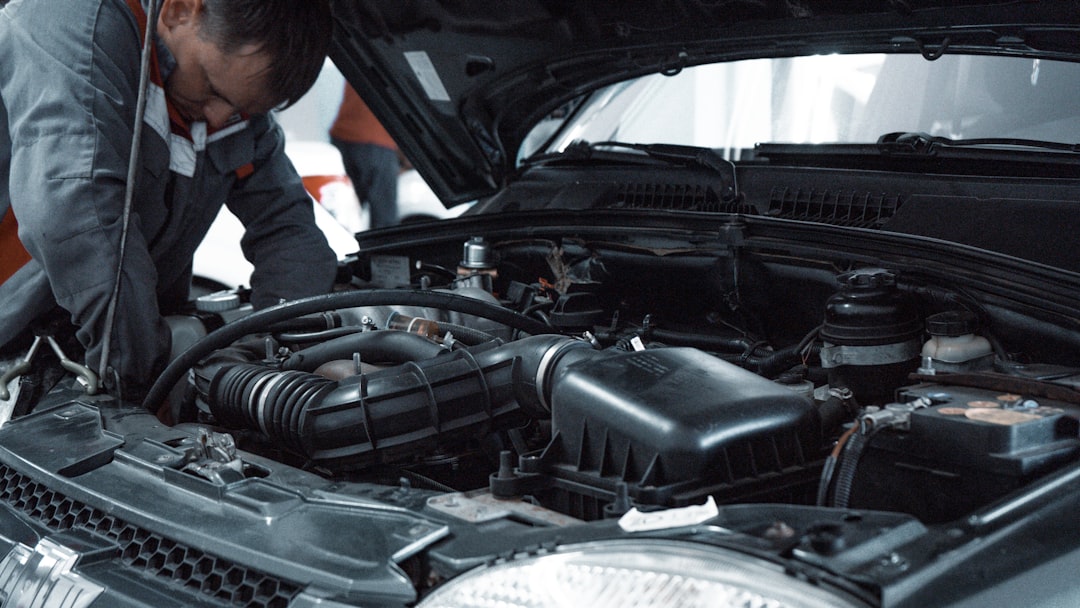
Last month, my neighbor Jake bought what he thought was the deal of the century – a 2018 Honda Civic for $18,000. Three weeks later, he was staring at a $4,200 repair bill for transmission issues that a proper inspection would have caught. Don't be Jake.
I've been buying and selling used cars for over 15 years, and I've learned that spending 30 minutes on a thorough inspection can save you thousands in hidden repair costs. Today, I'm sharing my complete checklist that has helped me avoid countless money pits and score genuine deals.
The $50 Investment That Saves Thousands
Before we dive into the DIY inspection, let's talk about the best $50-100 you'll ever spend: a pre-purchase inspection by a qualified mechanic. But even before you get to that point, your own inspection can help you eliminate the obvious problems and negotiate better prices.
I always bring a simple toolkit when inspecting cars: a flashlight, a magnet, some paper towels, and my phone camera. These tools have helped me spot everything from flood damage to accident repairs that sellers conveniently forgot to mention.
Exterior Red Flags That Cost Big Money
Start your inspection from the outside. Walk around the car slowly and look for these expensive warning signs:
- Paint mismatches: Different shades often indicate accident damage or bodywork
- Rust spots: Especially around wheel wells, door frames, and the trunk
- Panel gaps: Uneven spaces between doors, hood, and trunk suggest accident damage
- Tire wear patterns: Uneven wear indicates alignment issues, suspension problems, or poor maintenance
Here's my magnet trick: Run a small magnet along the body panels. If it doesn't stick in certain areas, there's likely Bondo or plastic filler underneath – a sign of accident damage that could cost you $2,000-5,000 in hidden structural issues.
Pro tip: Check for overspray on rubber seals, plastic trim, or glass. It's a dead giveaway that the car has been repainted, which often means accident damage.
Interior Inspection: Spotting Wear and Electrical Issues
The interior tells the real story of how a car has been treated. I once walked away from a "low-mileage" SUV when I noticed the pedals were completely worn down – a clear sign the odometer had been tampered with.
Check these interior elements:
- Seat wear: Should match the claimed mileage
- Pedal wear: Excessive wear on a "low-mileage" car is suspicious
- Electronics: Test every button, switch, and screen
- Air conditioning: Should blow cold within 30 seconds
- Odors: Musty smells often indicate flood damage
I always test the air conditioning because AC repairs can easily cost $800-1,500. If it's not blowing cold, factor that into your negotiation or walk away.
Engine Bay: Where the Expensive Problems Hide
Pop the hood and look for these costly red flags. Don't worry if you're not mechanically inclined – these visual cues are easy to spot:
- Oil leaks: Look for black stains under where the car was parked
- Fluid colors: Oil should be amber to black, coolant should be clear to green/orange
- Belt condition: Cracked or frayed belts indicate poor maintenance
- Corrosion: White or green buildup on battery terminals or metal parts
- Aftermarket modifications: Can void warranties and indicate hard driving
I saved myself $3,000 on a used Subaru when I noticed the head gaskets were leaking – a known expensive issue with older Subarus. The seller didn't realize I'd spotted it, and I negotiated the repair cost off the price.
Test Drive: Beyond Just Driving Around the Block
Most people take a quick spin around the neighborhood and call it good. I insist on a comprehensive test drive that includes:
- Cold start: The engine should start easily and idle smoothly
- Highway speeds: The car should track straight and not vibrate
- Parking lot maneuvers: Test the steering at low speeds
- Braking: Should feel firm and stop straight
- Transmission: Smooth shifting (manual) or no hesitation (automatic)
During one test drive, I noticed the steering wheel wasn't centered when driving straight – a sign of alignment issues or accident damage. That observation saved me from buying a car that would have needed $800 in suspension work.
The Numbers Game: Researching Fair Value
Before you even look at a car, know what it's worth. I use three sources:
- Kelley Blue Book: For general market value
- Edmunds: For detailed depreciation data
- AutoTrader/Cars.com: For local market comparison
Factor in the car's condition, mileage, and any issues you've found. A good rule of thumb: if the inspection reveals problems that will cost more than 15% of the car's value to fix, walk away or negotiate aggressively.
Paperwork and History: The Final Verification
Never buy a used car without checking its history. I always run these checks:
- Carfax or AutoCheck report: Shows accidents, floods, and service records
- Title verification: Make sure it's clean and matches the seller
- Service records: Regular maintenance indicates a well-cared-for vehicle
- Recall checks: Use the NHTSA website to check for unresolved recalls
I once discovered a car had been in a major flood through the Carfax report, even though it looked perfect visually. That $40 report saved me from buying a future electrical nightmare.
When to Walk Away vs. When to Negotiate
Some issues are deal-breakers, others are negotiation opportunities. Here's my breakdown:
Walk away if you find:
- Evidence of flood damage
- Major accident damage
- Engine or transmission problems
- Title issues (salvage, lemon, etc.)
Negotiate if you find:
- Cosmetic damage
- Minor maintenance items
- Worn tires or brakes
- Non-essential electrical issues
Remember, every problem you find is leverage. I typically calculate the repair cost and ask for 75% of that amount off the asking price – it accounts for your time and hassle while being fair to the seller.
The Professional Inspection: Worth Every Penny
If the car passes your initial inspection and you're serious about buying, invest in a professional pre-purchase inspection. A good mechanic will put the car on a lift and check things you simply can't see from ground level.
This inspection typically costs $100-200 and can reveal:
- Frame damage
- Exhaust system issues
- Suspension problems
- Brake system condition
- Engine compression issues
I've had professional inspections talk me out of three different cars over the years, saving me an estimated $12,000 in future repair costs. That's a pretty good return on a $150 investment.
Your Action Plan
Before you buy your next used car, commit to this inspection process. Bring your toolkit, take your time, and don't let emotions override logic. A systematic approach to used car inspection has saved me over $20,000 in repair costs and helped me buy reliable vehicles at fair prices. Remember: if something seems too good to be true, it probably is – but with proper inspection skills, you can find genuinely good deals while avoiding expensive mistakes.