Deal
Deal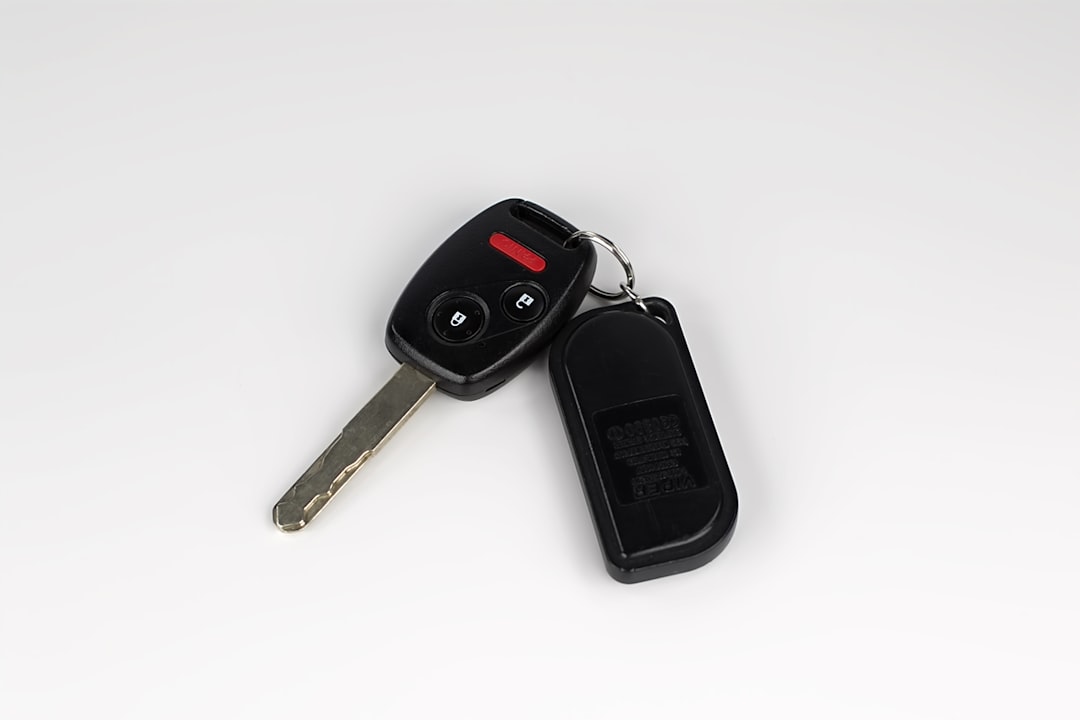
When my Honda Civic lease was up last year, I was dreading the whole car shopping process again. You know the drill – hours at dealerships, pushy salespeople, and that sinking feeling that you're getting ripped off. But then my mechanic buddy Jake mentioned something that completely changed my approach: "Why don't you just buy out your lease?"
I'll be honest, I had no idea that was even an option. Turns out, not only is it possible, but I ended up saving over $8,000 compared to leasing a new car. Let me walk you through exactly how this works and when it makes financial sense.
What Exactly is a Lease Buyout?
A lease buyout is simply purchasing the car you've been leasing at the end (or sometimes during) your lease term. Every lease contract includes what's called a "residual value" – that's the amount the leasing company thinks your car will be worth when the lease ends.
Here's where it gets interesting: this residual value is locked in when you first sign your lease, regardless of what happens to car values over the next 2-3 years. And boy, have car values been doing some crazy things lately.
In my case, my 2021 Honda Civic had a residual value of $16,800. But when I checked similar cars at dealerships, they were selling for $22,000-$24,000. That $5,200+ difference was pure savings sitting right in my driveway.
The Numbers That'll Shock You
Let me break down my exact situation so you can see the real money involved:
- My lease buyout price: $16,800
- Similar cars at dealers: $22,000-$24,000
- Immediate equity: $5,200-$7,200
- Cost to lease a similar new car: $420/month for 36 months = $15,120
- My car payment after buyout: $298/month for 60 months = $17,880
- Net savings over 5 years: $8,440
But here's the kicker – I already knew this car inside and out. I knew it had been maintained perfectly (because I maintained it), never been in an accident, and had no surprises waiting for me.
Pro tip: The residual value in your lease contract is set in stone. Market fluctuations can't change it, which means you might be sitting on a goldmine without even knowing it.
When Lease Buyouts Make Perfect Sense
Not every lease buyout is a slam dunk like mine was. Here are the situations where it typically makes the most financial sense:
You're Under Your Mileage Limit
If you're significantly under your lease mileage allowance, that adds value to your car that isn't reflected in the residual value. My lease allowed 36,000 miles over three years, but I only put on 28,000. Those 8,000 missing miles were worth roughly $2,400 in preserved value.
You've Taken Excellent Care of the Car
Lease companies calculate residual values assuming average wear and tear. If you've babied your car (like I admittedly do), you're getting a vehicle in better condition than the residual value assumes.
Market Values Have Increased
This has been huge over the past few years. Chip shortages, supply chain issues, and increased demand have driven used car values through the roof. Cars that were supposed to depreciate ended up appreciating instead.
You Love the Car
Sometimes the numbers don't have to be perfect if you genuinely love driving the car and want to keep it long-term. The peace of mind knowing your vehicle's history is worth something too.
Red Flags: When to Walk Away
Of course, lease buyouts aren't always the right move. Here's when I'd tell you to run the other direction:
- You're way over mileage: If you've put 45,000 miles on a 36,000-mile lease, the residual value probably overestimates what the car is worth
- Major repairs are needed: That transmission that's been acting up? Factor those repair costs into your decision
- Market values have dropped: If similar cars are selling for less than your residual value, negotiate or walk away
- You want something different: Don't buy out a lease on a car you're tired of just because the numbers work
The Buyout Process: Easier Than You Think
Once I decided to move forward, the actual process was surprisingly straightforward:
- Called my leasing company (Honda Financial) and requested a buyout quote
- Shopped around for financing – my credit union offered 3.2% vs Honda's 5.8%
- Got pre-approved for the loan amount
- Coordinated the payoff between my credit union and Honda Financial
- Received the title about 10 days later
The whole thing took less than two weeks and saved me multiple trips to car dealerships.
Hidden Costs to Watch Out For
Don't let these surprise costs derail your savings:
- Disposition fees: Some leasing companies charge $300-$500 to process the buyout
- Tax implications: You might owe sales tax on the purchase price
- Title and registration fees: Budget $100-$300 depending on your state
- Inspection costs: Consider getting a pre-purchase inspection even though you know the car
In my case, these added up to about $800 total – still a fraction of the money I saved.
Negotiating Your Buyout Price
Here's something most people don't know: that residual value isn't always final. I discovered this when I casually mentioned to Honda Financial that similar cars were selling for less at some dealers (which wasn't entirely true, but I had seen a couple of higher-mileage examples).
They came back with a $1,200 reduction in the buyout price "as a customer retention offer." I didn't even ask for it directly – just mentioned I was comparing options.
Always ask if there are any incentives or reductions available on your buyout. The worst they can say is no, but you might be surprised by what they offer to keep you as a customer.
Financing Your Lease Buyout
Don't automatically go with your leasing company's financing offer. I saved almost $2,000 in interest by shopping around:
- Credit unions: Often have the best rates for auto loans
- Banks: Your existing bank might offer relationship discounts
- Online lenders: Sometimes beat traditional institutions
- Leasing company: Usually convenient but rarely the best rate
Get quotes from at least three sources before making a decision.
The Tax Advantages Nobody Talks About
If you use your car for business, buying out your lease can actually provide better tax benefits than continuing to lease. You can depreciate the full purchase price over time, whereas lease payments are only deductible in the year they're made.
My accountant calculated that this saved me an additional $1,200 per year in taxes. Your situation will vary, so definitely consult with a tax professional.
The Bottom Line
Lease buyouts can be one of the best-kept secrets in automotive savings, but they're not right for everyone. The key is doing your homework – research market values, understand all the costs involved, and don't be afraid to negotiate. In today's crazy car market, you might be surprised to discover you're already driving the best deal you can get. Sometimes the smartest financial move is simply keeping what you already have.