Deal
Deal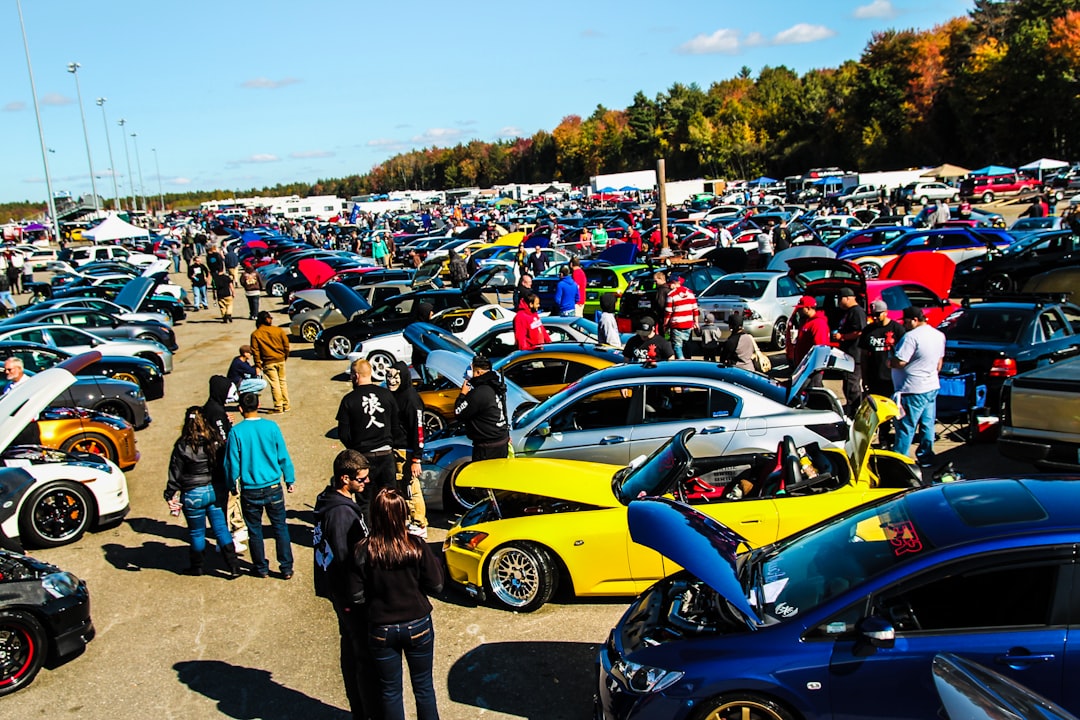
Last month, I walked away from a car auction with a 2020 Honda Civic that would've cost me $18,500 at a dealership. My winning bid? $10,200. After fees and a minor repair, I was still ahead by over $8,000. But here's the thing – it wasn't luck. It was strategy, patience, and knowing exactly what I was doing.
I've been buying cars at auctions for the past six years, and I've learned that most people either get swept up in bidding wars or miss out on incredible deals because they don't understand how the system works. Today, I'm sharing everything I wish someone had told me before my first auction disaster (yes, I lost money initially).
Why Car Auctions Are Hidden Gold Mines
Car auctions aren't just for dealers anymore. Public auctions, online platforms like Copart and IAA, and government surplus auctions are accessible to regular folks like us. The reason prices stay low is simple – most people are intimidated by the process.
Here's what I've discovered: dealerships need to mark up cars by 15-25% to cover overhead and profit. At auctions, you're cutting out that middleman. Plus, you'll find vehicles that dealers passed on – not because they're bad, but because they don't fit the dealer's specific inventory needs.
The math is compelling. In my six years of auction buying, I've purchased eight vehicles and saved an average of $5,200 per car compared to retail prices. That's over $41,000 in savings for my family and friends who've asked me to bid for them.
Types of Car Auctions and Which Ones to Target
Not all auctions are created equal. Here's where I focus my energy:
- Dealer auctions (open to public on certain days): These are goldmines for late-model, well-maintained vehicles. Call local auction houses to ask about public days.
- Government surplus auctions: Police departments, city fleets, and federal agencies regularly sell vehicles. These are often well-maintained with detailed service records.
- Online salvage auctions: Copart and IAA offer cars with minor damage. I once bought a BMW with a small dent for $4,800 – retail value was $12,000.
- Estate auctions: Often feature garage-kept classics and low-mileage vehicles from elderly owners.
I avoid manufacturer lease return auctions unless I'm looking for a specific model. The competition from dealers drives prices too high for casual buyers.
Pre-Auction Research That Saves Thousands
This is where most people fail. They show up and wing it. I spend 2-3 hours researching before every auction, and it's the difference between a great deal and an expensive mistake.
First, I pull the auction list (usually available 3-5 days early) and create a spreadsheet with these columns: VIN, year, make, model, estimated retail value, my maximum bid, and notes about condition or concerns.
For each car I'm interested in, I research:
- KBB and Edmunds values for the exact trim and mileage
- Common problems for that model year (forums are gold for this)
- Average repair costs for any visible damage
- Recent sold listings on AutoTrader and Cars.com in my area
Here's my secret weapon: I call insurance companies and ask for repair estimates on any damage I can see in photos. A $300 phone call to a body shop can save you from a $3,000 surprise.
I also set up Google alerts for specific models I want, which helps me understand market trends. When Honda Civics started selling quickly due to gas prices rising, I knew to increase my maximum bids slightly.
Inspection Day Strategy
Most auctions allow pre-sale inspection. This is non-negotiable – I never bid on a car I haven't personally examined.
I arrive with a small toolkit: flashlight, magnet (to detect body filler), tire tread depth gauge, and my phone for photos. My inspection routine takes about 15 minutes per car:
- Exterior: Look for rust, mismatched paint, accident damage. I run my magnet along panels – if it doesn't stick, there's body work underneath.
- Interior: Check all electronics, seat wear, and signs of smoking or pets. These issues are expensive to fix.
- Under the hood: Look for leaks, aftermarket modifications, and general cleanliness. A dirty engine bay often indicates poor maintenance.
- Tires: Uneven wear patterns reveal alignment issues, suspension problems, or hard driving.
I take photos of everything and notes about concerns. If the car doesn't start (common at auctions), I assume worst-case scenario for repair costs.
Bidding Psychology and Winning Strategies
Here's where six years of experience really pays off. Successful auction bidding is 70% psychology, 30% math.
My cardinal rule: set your maximum bid before the auction starts and stick to it. I write it on my hand in permanent marker. Sounds crazy, but it works. I've watched people get caught up in bidding wars and pay more than retail – defeating the entire purpose.
Timing matters enormously. Cars that sell in the first hour often go for less because the crowd is smaller. Friday afternoon sales typically have lower prices than Saturday morning sales. I've noticed that luxury cars sell for less during economic uncertainty when people are tightening budgets.
I also learned to read other bidders. The nervous first-timer usually drops out early. The dealer in the polo shirt with the auction house logo is my real competition. When I see them bid, I know I'm looking at a potentially profitable car.
Hidden Costs and Fees You Must Factor In
This is where beginners get burned. The hammer price isn't your final cost.
Typical additional costs include:
- Buyer's premium (5-10% of winning bid)
- Documentation fees ($50-150)
- Transportation (can be $200-800 depending on distance)
- Storage fees if you can't pick up immediately
- Registration and title transfer
- Immediate repairs needed to make the car road-worthy
I budget an extra 20% above my winning bid for these costs. So if I bid $10,000, I'm prepared to spend $12,000 total. This conservative approach has saved me from budget-busting surprises.
Post-Auction Success: Getting Your Car Road-Ready
You won the bid – congratulations! Now the real work begins.
I have relationships with three mechanics who specialize in auction cars. These aren't fancy shops; they're guys who understand that auction buyers want reliable transportation, not showroom perfection.
My post-purchase routine:
- Immediate safety inspection (brakes, lights, steering)
- Fluid changes (oil, coolant, brake fluid – you never know maintenance history)
- Address any issues identified during pre-sale inspection
- Get a pre-purchase inspection even though I already bought it (helps with insurance and gives peace of mind)
The Honda Civic I mentioned earlier needed $400 in brake work and a $150 alignment. Even with those costs, I was ahead $8,000.
Common Mistakes That Cost Money
I've made every mistake possible, so you don't have to. Here are the big ones:
Bidding on emotion: I once paid $2,000 over my limit for a Mustang because it was "the exact color I wanted." Stupid decision that took months to break even on.
Ignoring auction fees: Always read the fine print. Some auctions charge storage fees after 48 hours. I once paid $280 in storage because I couldn't arrange pickup quickly enough.
Skipping the test drive: If they allow it, always test drive. I bought a beautiful truck that had transmission problems – visible only when driving.
Not having financing arranged: Most auctions want payment within 24-48 hours. Having a loan pre-approved gives you confidence to bid on higher-value vehicles.
Your Action Plan for Auction Success
Start small with a local government surplus auction – they're less intimidating and often have great deals on reliable fleet vehicles. Set a strict budget, do your research, and remember that walking away empty-handed is better than overpaying. The perfect deal will come along if you're patient and prepared.