Deal
Deal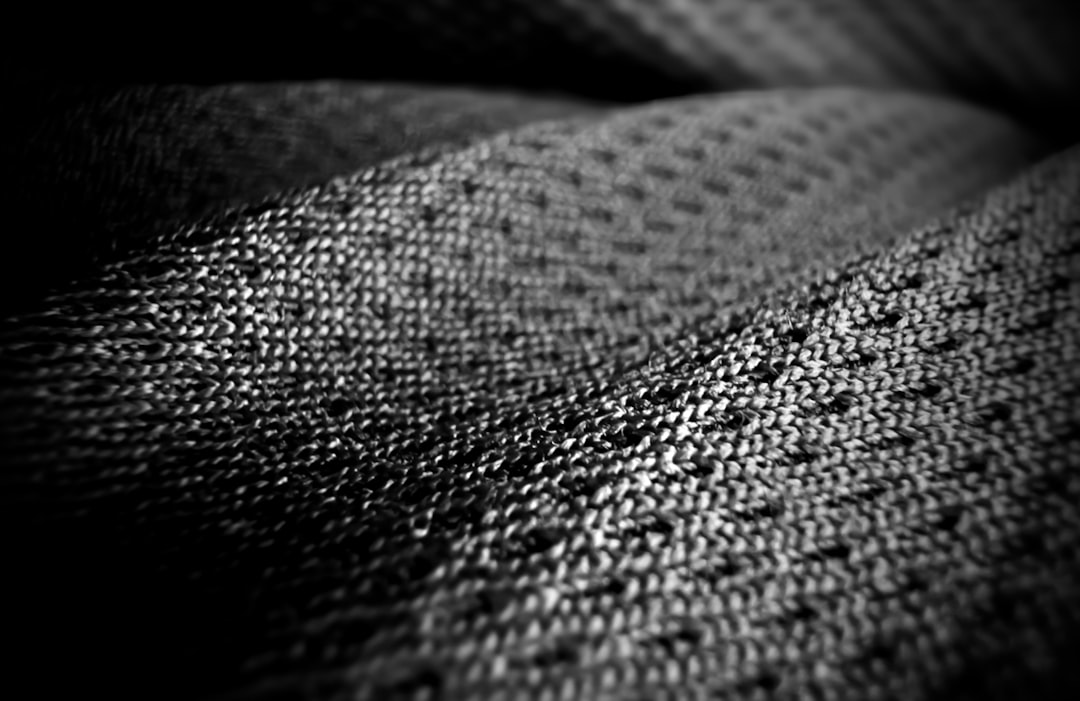
I learned this lesson the hard way when I spent $180 on what looked like a gorgeous wool blazer, only to have it pill into oblivion after three wears. That expensive mistake taught me something invaluable: the difference between clothes that look good on the hanger and clothes that'll actually survive your life.
Here's the thing nobody tells you about fashion shopping – most of us are buying blind. We're seduced by styles, swayed by brands, and completely ignoring the one factor that determines whether our purchases are smart investments or expensive mistakes: fabric quality.
After that blazer disaster, I spent months researching textile quality and talking to industry insiders. What I discovered changed how I shop forever, and more importantly, it's saved me over $500 this year alone by helping me avoid clothes that would've fallen apart quickly.
The 30-Second Fabric Tests That Changed My Shopping
Before I even look at price tags now, I run every potential purchase through what I call my "fabric audit." These quick tests have become second nature, and they've saved me from countless regrettable purchases.
The Stretch Test: Gently pull a small section of fabric horizontally and vertically. Quality fabric snaps back immediately to its original shape. If it stays stretched out or feels loose, walk away. I tested this on two similar-looking sweaters at Target last month – one bounced back perfectly ($24), the other stayed saggy ($18). Guess which one I bought?
The Transparency Check: Hold the garment up to store lighting. If you can see through it clearly, it's too thin to last. This simple test helped me avoid a $65 white button-down that would've been completely see-through after a few washes.
The Hand Test: Run your hand across the fabric surface. It should feel smooth and consistent. Any roughness, catching, or irregularities signal poor construction. I use this especially for knits and t-shirts.
Fabric Labels: Decoding the Secret Language
I used to completely ignore care labels, but they're actually treasure maps for quality assessment. Here's what I've learned to look for:
Natural Fiber Sweet Spots: 100% cotton, wool, linen, or silk are ideal, but expensive. The magic happens in the 80-95% range. My favorite jeans are 92% cotton with 8% elastane – they hold their shape perfectly and have lasted three years of heavy wear.
Synthetic Red Flags: Anything over 30% polyester in shirts or dresses usually means faster wear and that unpleasant synthetic feel. However, performance fabrics with higher synthetic content can be worth it for activewear.
Blend Benefits: Some synthetic blends actually improve durability. My go-to work pants are 68% polyester, 29% viscose, 3% elastane, and they're virtually wrinkle-free while feeling like pure wool.
Pro tip: If a garment's care label says "dry clean only" but the fabric composition suggests it should be washable (like cotton or cotton blends), it's often because the construction is too cheap to survive normal washing.
Construction Details That Reveal Quality
The devil's in the details, and these construction elements separate clothes that last from clothes that don't:
Seam Quality: Turn garments inside out and examine the seams. They should be straight, even, and finished (not just cut and left raw). French seams or serged edges are gold standards. Crooked or puckered seams mean the item won't hold up to washing and wearing.
Button and Hardware Check: Buttons should feel substantial, not hollow or cheap. Give them a gentle tug – they shouldn't feel loose. Zippers should move smoothly without catching. I once bought a jacket where the zipper failed after two weeks because I didn't test it properly.
Pattern Matching: On striped or patterned items, the pattern should match at the seams. This attention to detail indicates overall garment quality. It might seem minor, but clothes with mismatched patterns at seams often have other quality shortcuts.
Where Fabric Quality Matters Most (And Where You Can Skimp)
Not every piece in your wardrobe needs premium fabric. Here's where I invest and where I save:
Invest in Quality:
- Jeans and pants you'll wear weekly
- Blazers and jackets
- Coats and outerwear
- Undergarments and basics
- Work clothes that need frequent washing
You Can Skimp On:
- Trendy pieces you'll only wear a season
- Special occasion items worn rarely
- Accessories like scarves (unless they're statement pieces)
- Workout clothes (performance matters more than longevity)
Last month, I bought a $12 trendy cropped sweater from H&M knowing it might only last a season. But I also invested $89 in a wool-blend blazer that I've worn twice weekly for six months without any signs of wear.
The Economics of Quality: My Real Numbers
Let me break down the actual math that convinced me to change my shopping habits:
My Old Approach:
- Average shirt cost: $25
- Lasted: 8-12 months before looking worn
- Annual shirt budget: $200-300
My New Approach:
- Average shirt cost: $45-55
- Lasting: 2-3+ years
- Annual shirt budget: $150-200
The higher upfront cost actually saves me money long-term, plus I look better because my clothes maintain their shape and appearance.
Store-Specific Fabric Quality Strategies
Different retailers have different strengths when it comes to fabric quality. Here's what I've learned:
Fast Fashion Stores: Focus on basics in natural fibers. Their trendy pieces might not last, but their cotton t-shirts and simple sweaters can be decent quality for the price.
Department Stores: Shop end-of-season clearances for designer pieces. The fabric quality justifies the original price, but not the clearance price.
Online Shopping: Read reviews specifically mentioning fabric quality, shrinkage, and durability. Look for detailed fabric composition in product descriptions.
Seasonal Timing for Maximum Fabric Quality Deals
Quality doesn't have to mean full price. I've learned to time my purchases for maximum value:
January-February: Winter coat clearances offer amazing deals on wool and down-filled items.
July-August: Summer fabric clearances are perfect for cotton, linen, and lightweight pieces.
September: Back-to-school sales often include quality basics at reduced prices.
November: Black Friday and pre-holiday sales, but be selective – not everything on sale is worth buying.
Your Fabric Quality Action Plan
Start implementing these fabric quality checks on your next three clothing purchases. Test the stretch, check the composition labels, and examine construction details before buying. You'll quickly develop an eye for quality that will save you hundreds of dollars in replacements and help you build a wardrobe of pieces that actually last. Remember: buying fewer, better-quality pieces isn't just better for your wallet – it's better for your style and the environment too.