Deal
Deal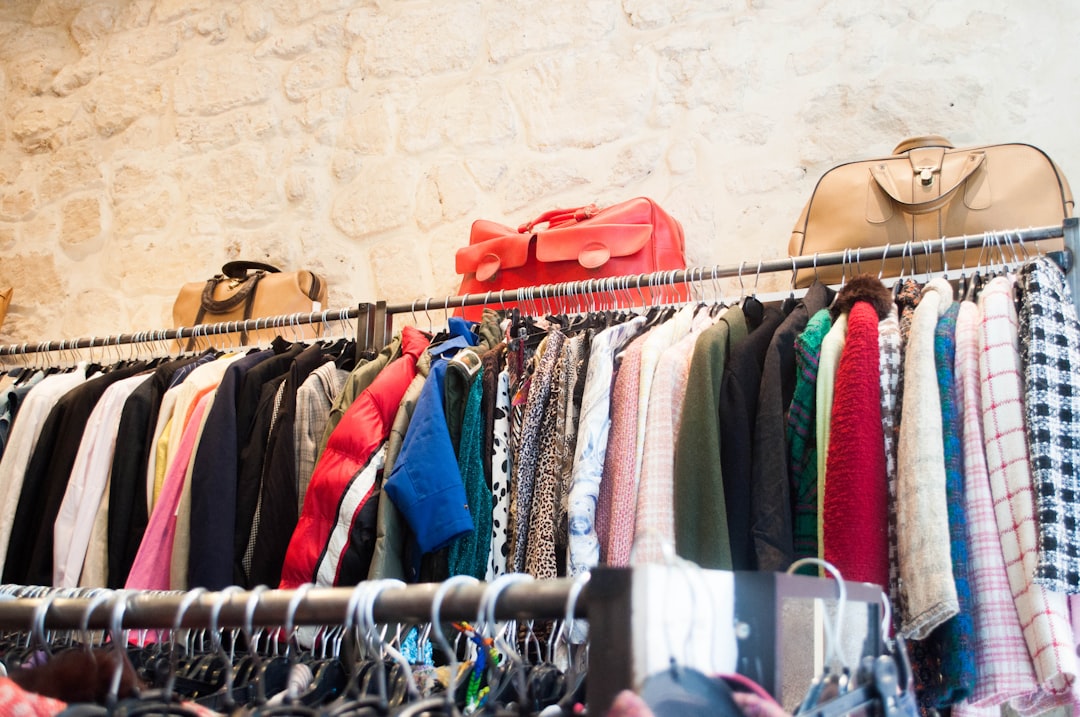
I'll never forget the day I walked into a small thrift store in Portland and spotted a genuine Burberry trench coat hanging between a polyester blazer and a faded band t-shirt. The price tag read $12. That same coat would've cost me $1,800 at Nordstrom. I practically ran to the register, convinced there had to be a mistake.
There wasn't. That purchase opened my eyes to the incredible world of thrift store fashion hunting, and over the past five years, I've built a wardrobe worth over $15,000 in retail value for less than $800 total spent. Today, I'm sharing every trick I've learned about finding designer pieces at thrift stores.
The Golden Hours: When to Hit Thrift Stores
Timing isn't just everything in real estate—it's crucial for thrift shopping success. Most people randomly pop into thrift stores when convenient, but strategic shoppers know there are prime hunting windows.
The absolute best time to shop is Tuesday through Thursday mornings, right when stores open. Here's why: weekend donations get processed and put out Monday night or Tuesday morning. I've scored my biggest finds—including a $400 Theory blazer for $6—during these early morning treasure hunts.
Avoid weekends like the plague. That's when everyone shops, and the good stuff disappears fast. I learned this lesson the hard way when I spotted an amazing vintage Chanel scarf on a Saturday afternoon, only to watch another shopper snatch it while I was still examining the authenticity markers.
- Tuesday-Thursday mornings: Fresh inventory from weekend donations
- End of summer/winter: People donate seasonal clothing
- First week of January: Post-holiday wardrobe purges
- College town stores in May: Students donate before moving
Location Scouting: Where the Designer Treasures Hide
Not all thrift stores are created equal. After visiting over 200 thrift locations across 15 states, I can tell you exactly where to focus your energy for the highest-value finds.
Wealthy suburban areas are absolute goldmines. I regularly drive 45 minutes to a Goodwill in an affluent neighborhood because the donation quality is exponentially better. One store near Beverly Hills consistently stocks designer pieces that would sell for thousands elsewhere.
Church-run thrift stores in upscale areas often have the best prices too. I found a pristine Patagonia down jacket (retail $350) for $8 at a small church store in Aspen. The volunteers didn't recognize the brand's value, which worked in my favor.
Pro tip: Follow your target stores on social media. Many post photos when they receive significant donations or have special sales days. I've gotten advance notice on everything from designer handbag donations to half-price days this way.
Authentication Skills: Spotting Real vs. Fake
Learning to authenticate designer pieces quickly is non-negotiable. Fakes are everywhere, and nothing stings like discovering your "Prada" bag is actually a clever knockoff.
Start with the basics: examine stitching quality, hardware weight, and fabric feel. Real designer pieces have impeccable construction. When I'm checking a potential Coach purse, I look for perfectly straight stitching, heavy brass hardware, and the distinctive leather smell. Fakes often have crooked stitches, lightweight hardware, and that chemical plastic odor.
Labels tell stories too. Research what authentic labels looked like during different eras. A "vintage" Gucci bag with a modern-style label is probably fake. I keep authentication apps like Legit Check on my phone for quick reference when I'm unsure.
When in doubt, pass. I've learned this lesson after buying questionable items that turned out to be replicas. Better to miss a potential deal than waste money on fakes.
The Art of Negotiation: Getting Even Better Deals
Most people don't realize you can negotiate at thrift stores, but you absolutely can—especially at smaller, independent shops. I've talked my way into additional discounts on roughly 40% of my purchases.
The key is being respectful and reasonable. If I'm buying multiple items, I'll politely ask if there's a bulk discount. At one store, I was purchasing four blazers totaling $32 and asked if they could do $25 for all four. The manager agreed instantly.
Point out minor flaws diplomatically. When I found a beautiful silk dress with a tiny stain, I mentioned it to the cashier and asked if they could adjust the price. They knocked off $3, bringing a $15 dress down to $12. Every dollar counts when you're building a budget wardrobe.
Build relationships with staff. I'm now on first-name basis with employees at my favorite stores, and they sometimes hold special pieces for me or give me heads-up about incoming donations.
Hidden Treasure Categories Most People Miss
While everyone fights over the obvious designer labels, smart shoppers know about the hidden gems that fly under the radar.
Vintage band t-shirts are pure gold. I bought a 1990s Nirvana shirt for $3 that's worth over $200 to collectors. Same with vintage sports jerseys—especially from defunct teams or championship years.
High-quality basics often get overlooked. I've found incredible cashmere sweaters from brands like Everlane and COS for under $10 because they don't have flashy labels. These pieces form the foundation of any great wardrobe.
Professional wear is another goldmine. Corporate workers regularly donate suits, blazers, and dress shoes when they change jobs or sizes. I built my entire professional wardrobe from thrift stores, spending less than $200 on pieces that would've cost over $2,000 retail.
- Cashmere and wool sweaters from unknown brands
- Vintage band and concert t-shirts
- Quality leather shoes and boots
- Silk scarves and accessories
- Professional blazers and suits
Seasonal Strategy: What to Hunt When
Successful thrift shopping requires thinking ahead seasonally. The best time to find winter coats is late spring when people are cleaning out closets, not when you actually need the coat.
I stock up on swimwear and summer dresses in September and October. By then, people have donated their summer clothes but stores are trying to clear inventory for fall items. I've found designer swimsuits for under $5 this way.
Holiday party dresses appear in January after people decide they'll never wear that sequined number again. I found a stunning BCBG cocktail dress (originally $400) for $8 in February.
The Care and Investment Factor
One advantage of thrift shopping is that clothes have already been through wash cycles, so you know they'll hold up. But some pieces require investment in professional cleaning or minor repairs.
Factor cleaning costs into your budget. That $15 wool coat might need $20 in dry cleaning, but it's still a steal compared to retail prices. I have a trusted tailor who can take in waists, hem pants, and make minor repairs for reasonable fees.
Learn basic maintenance yourself. I invested $30 in a fabric shaver that removes pilling from sweaters, making thrift store finds look brand new. A good steamer is essential too—most thrift store clothes just need a good steaming to look fresh.
Key Takeaway
Thrift store shopping for designer fashion isn't just about saving money—it's about developing a keen eye, building relationships, and timing your visits strategically. Start with wealthy suburban locations on Tuesday mornings, learn basic authentication skills, and don't be afraid to negotiate respectfully. With patience and practice, you can build a designer wardrobe for pennies on the dollar while contributing to sustainable fashion practices.