Deal
Deal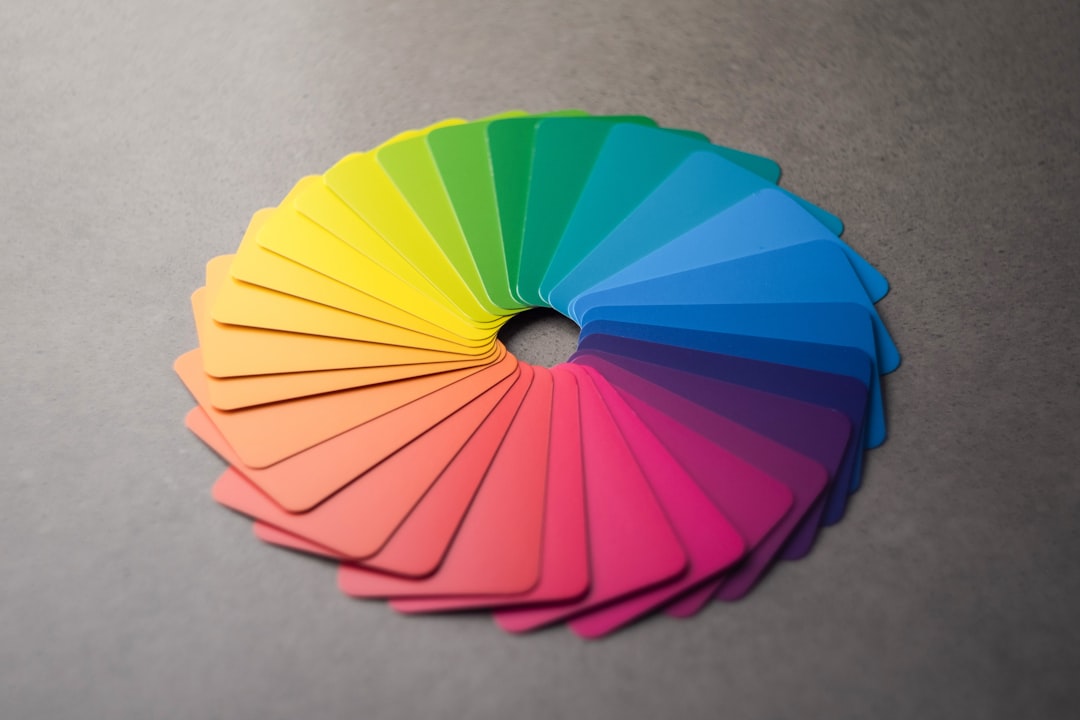
I used to stand in front of my overflowing closet every morning, surrounded by clothes but convinced I had "nothing to wear." Sound familiar? Then I discovered the fashion industry's best-kept secret: the color wheel. This simple tool completely transformed how I shop and dress, helping me cut my clothing budget by $1,500 last year while actually looking more put-together than ever.
Here's the crazy part – most people think they need tons of clothes to look stylish. The truth? You need the right colors that work together effortlessly. Once I cracked this code, I went from owning 60+ pieces that barely coordinated to 25 pieces that create over 100 different outfits.
Why the Color Wheel is Your Shopping Superpower
The color wheel isn't just for artists – it's a mathematical formula for looking amazing. Fashion designers use this tool to create collections that work seamlessly together, and now you can use the same strategy for your personal wardrobe.
When I first learned about complementary colors (colors opposite each other on the wheel), everything clicked. Blue and orange, red and green, yellow and purple – these combinations create visual interest without clashing. But here's where it gets really smart for your wallet: you can build an entire wardrobe around just 3-4 strategic colors.
The $200 Base That Saved Me $1,500
Last spring, I challenged myself to rebuild my wardrobe using color wheel principles. I started with what I call the "Power Base" – three neutral colors that form a triangle on the color wheel:
- Navy blue (my primary neutral)
- Cream/off-white (my light neutral)
- Camel/tan (my warm neutral)
I invested about $200 in high-quality basics in these three colors: two blazers, three pairs of pants, four blouses, and two cardigans. That's it. These 11 pieces created 24 different professional outfits right off the bat.
Then I added one accent color – burgundy – which sits beautifully between red and purple on the color wheel. A burgundy scarf, handbag, and pair of shoes (total cost: $85) suddenly gave me 15 more outfit combinations.
Pro tip: Choose your accent color based on what looks amazing with your skin tone. Hold different colored items near your face in natural light – your best color will make your skin look brighter and your eyes pop.
The 60-30-10 Shopping Rule
Here's the formula I wish someone had taught me years ago: 60% neutrals, 30% secondary colors, 10% statement pieces. This breakdown ensures everything in your closet plays well together.
For my wardrobe, this meant:
- 60% (Navy, cream, camel): Pants, blazers, basic tops, work dresses
- 30% (Burgundy, sage green): Blouses, cardigans, casual pieces
- 10% (Pattern pieces that include my core colors): A navy and burgundy striped top, a scarf with cream and sage
This ratio means I can grab any piece from my closet and it will coordinate with at least 80% of everything else. Compare that to my old random shopping habits where maybe 30% of my clothes worked together!
The Analogous Color Hack for Casual Wear
For weekend and casual clothes, I use analogous colors – colors that sit next to each other on the color wheel. My casual palette is blues, blue-greens, and greens. This creates a cohesive, calming look that's perfect for relaxed settings.
I bought:
- Jeans in classic blue denim
- A teal sweater
- A sage green t-shirt
- A forest green jacket
- White basics to lighten everything up
These five colors flow into each other so naturally that I literally cannot create a bad outfit. My husband jokes that I've become "accidentally coordinated" because even when I'm rushing, everything looks intentional.
Shopping with Color Confidence: My 3-Step System
Step 1: Audit your current wardrobe
Before buying anything new, I laid out everything I owned and grouped items by color. This revealed that I had 7 random tops in colors that matched nothing else – instant donation pile! This exercise alone prevented me from making similar mistakes in the future.
Step 2: Create your color story
Choose 3 neutrals and 2 accent colors maximum. Write them down and keep this list in your phone. When you're shopping and fall in love with a hot pink sweater (but hot pink isn't on your list), walk away. Trust me on this one.
Step 3: Shop with the "5-piece test"
Before buying any item, name 5 pieces in your current wardrobe it will work with. If you can't hit 5, don't buy it. This rule alone has saved me from countless impulse purchases.
Seasonal Color Transitions That Save Money
Here's where color wheel knowledge really pays off: you can transition your wardrobe between seasons without buying entirely new pieces. I use my base colors year-round and just swap accent colors.
Summer: I add coral (which sits between red and orange) through accessories and lightweight tops.
Fall: I transition to deeper jewel tones like emerald and sapphire.
Winter: I go richer with burgundy and deep navy pieces.
Spring: I lighten up with soft lavender and sage green.
The key is that all these accent colors work with my neutral base, so I only need to buy a few new accent pieces each season rather than a whole new wardrobe.
The Pattern Integration Game-Changer
Once you have your color palette locked down, patterns become your secret weapon. I look for patterns that include at least two of my core colors. A navy and cream striped top, a burgundy and camel plaid scarf, or a floral print with sage and cream – these pieces add visual interest while staying within my color story.
The result? People often compliment my style and ask if I worked with a stylist. Nope – just a $2 color wheel from the art supply store and a little planning!
Insider secret: Department stores organize their seasonal displays using color wheel principles. Shop within one color story section and you'll automatically create cohesive looks.
Technology Tools That Make Color Coordination Effortless
I use a few apps to keep my color game strong:
- Adobe Color: I photograph outfits I love and the app shows me the exact color palette, which I can recreate with my own pieces
- My phone camera: I keep photos of my color palette in my phone for shopping reference
- Stylebook app: I catalog my wardrobe and it shows me new outfit combinations I hadn't thought of
These tools help me make smarter shopping decisions and maximize what I already own.
The Psychology of Color Shopping
There's something powerful that happens when you shop with a color strategy: you become much more selective and intentional. Instead of buying because something is on sale or trendy, you're buying because it fits into your bigger wardrobe picture.
I track my clothing purchases now, and my cost-per-wear has dropped dramatically. That $80 camel blazer has been worn 40+ times in the past year (cost per wear: under $2). Compare that to the random purple top I bought on impulse last year that I've worn exactly once ($45 cost per wear).
Your Color Wheel Action Plan
Start with three neutrals that work with your lifestyle and skin tone, then add one accent color. Use the 60-30-10 rule and the 5-piece test for every purchase. This strategy will help you build a cohesive wardrobe that saves money while keeping you stylishly coordinated. Remember: fashion fades, but a smart color strategy is timeless.