Deal
Deal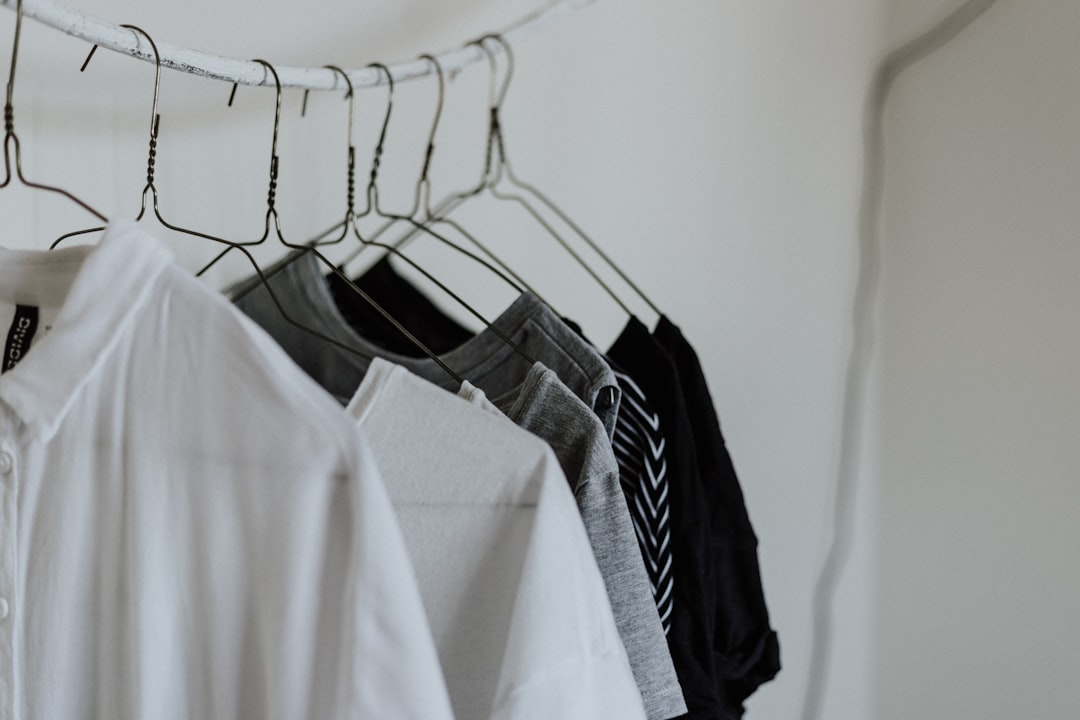
I used to have a closet bursting with clothes, yet somehow I'd stand there every morning claiming I had "nothing to wear." Sound familiar? Three years ago, I discovered the magic of capsule wardrobes, and it completely transformed both my style and my wallet. What started as a money-saving experiment turned into a lifestyle change that's saved me over $2,400 annually while making me feel more put-together than ever.
Let me walk you through exactly how to build a capsule wardrobe without breaking the bank – because looking good shouldn't cost a fortune.
What Exactly Is a Capsule Wardrobe?
A capsule wardrobe is essentially a curated collection of versatile, high-quality pieces that all work together. Think of it as your clothing's greatest hits album – every piece earns its place by being incredibly useful and mixable with everything else.
The typical capsule consists of 30-40 pieces (including shoes and outerwear) that can create dozens of different outfits. When I first started, I was skeptical that 37 pieces could replace my 100+ item wardrobe, but the math is actually stunning: with just 15 tops and 10 bottoms that all coordinate, you can create 150 different outfit combinations.
The financial benefits hit immediately. Instead of buying 5-6 mediocre $25 shirts that I'd wear once or twice, I invested in 2-3 quality $40-50 pieces that I wear weekly. My cost-per-wear plummeted from around $8 to under $2.
The Foundation: Choosing Your Color Palette
Here's where most people mess up capsule wardrobes – they skip the planning phase and jump straight to shopping. Your color palette is your roadmap, and getting it right will save you hundreds of dollars in "oops" purchases.
Start with neutrals that complement your skin tone. I learned this the hard way when I built my first capsule around navy and gray, only to realize those colors made me look washed out. After some trial and error (and a few expensive mistakes), I settled on black, cream, and camel as my neutrals, with forest green and burgundy as accent colors.
The 60-30-10 rule works perfectly here:
- 60% neutral base colors (black, navy, gray, camel, cream)
- 30% secondary neutrals or muted tones
- 10% accent colors for personality
This formula ensures everything mixes and matches while keeping your wardrobe from looking boring. I can grab any piece from my closet and know it'll work with at least 80% of everything else.
Pro tip: Before buying anything new, lay out your existing clothes and identify which colors you naturally gravitate toward. Your current favorites are probably the most flattering on you, so build from there rather than starting completely from scratch.
Smart Shopping Strategies for Capsule Success
Building a capsule wardrobe doesn't mean you need to drop $1,000 at once. I've developed a strategic approach that spreads the investment over 6-12 months while maximizing savings.
Start with a wardrobe audit. Before buying anything, I recommend the "one month challenge" – wear only pieces you absolutely love for 30 days. You'll quickly identify gaps and realize what you actually need versus what you think you want.
Invest in the foundation first. My shopping priority list looks like this:
- Perfect-fitting jeans and pants (2-3 pairs maximum)
- Classic white button-down shirt
- Quality blazer in your main neutral
- Little black dress (or equivalent in your preferred style)
- Comfortable, versatile shoes
These five categories form the backbone of any capsule wardrobe. Everything else is supporting cast.
Shop end-of-season sales strategically. Last January, I scored a $180 wool coat for $72 by shopping winter clearance. The key is buying classic styles in your established color palette – trends come and go, but a well-cut camel coat is forever.
The Best Places to Find Quality Capsule Pieces
You don't need designer prices for capsule-worthy quality. I've found amazing pieces everywhere from Target to luxury consignment shops. The key is knowing what to look for and where to find it.
Department store sales are goldmines. Nordstrom's Anniversary Sale and Macy's VIP sales have provided some of my best cost-per-wear pieces. I snagged Theory pants (retail $245) for $89 during a Nordstrom sale – I've worn them at least 40 times, bringing my cost-per-wear to about $2.20.
Online consignment is a game-changer. Sites like TheRealReal, Vestiaire Collective, and Fashionphile offer authenticated designer pieces at 60-80% off retail. I found a perfect Everlane cashmere sweater on TheRealReal for $45 (retail $100) that looks brand new.
Don't overlook mid-range retailers. Some of my most-worn pieces come from Uniqlo, COS, and & Other Stories. Their basics are well-made, reasonably priced, and perfect for capsule building. A $29 Uniqlo merino sweater has been in rotation for three years and still looks great.
Outlet shopping with a plan. I hit outlets armed with my color palette and a specific shopping list. This prevents impulse buys and ensures I only purchase pieces that integrate seamlessly into my existing wardrobe.
Quality Markers That Matter
Not all expensive clothes are high quality, and not all affordable pieces are poorly made. Here's what I look for when evaluating potential capsule additions:
- Fabric content: Natural fibers (wool, cotton, silk, linen) generally age better than synthetics
- Construction details: Finished seams, quality buttons, aligned patterns at seams
- Fit: Proper fit makes a $40 shirt look more expensive than an ill-fitting $200 one
- Care requirements: If it's dry-clean only, factor that ongoing cost into your decision
I learned to read fabric labels religiously after buying what I thought was a great deal on a "wool" blazer that turned out to be 80% polyester. It pilled after two wears and never looked polished.
Seasonal Transitions Without Expansion
One of my biggest fears about capsule wardrobes was feeling restricted by seasons. How could 35 pieces work for both July heat and January snow?
The secret is strategic layering pieces and a few seasonal swaps. My core pieces (jeans, blazer, basic tees) work year-round. I swap out:
- Sandals for boots
- Lightweight scarves for warm ones
- Cotton tees for merino wool
- Linen pieces for wool
I store off-season items in vacuum bags, which creates the psychological effect of "shopping my own closet" twice a year. Last September, I rediscovered a cashmere cardigan I'd forgotten about – it felt like finding $150 in my pocket.
Maintaining Your Investment
A capsule wardrobe only saves money if the pieces last. I've learned some hard lessons about garment care that have saved me hundreds in replacements.
Invest in proper hangers. Velvet hangers ($20 for 50) keep clothes in shape and prevent stretching. Wire hangers from the dry cleaner are clothing killers.
Learn basic alterations. A $15 hem can make an $80 pair of pants fit perfectly, increasing your cost-per-wear value significantly. YouTube tutorials taught me to hem, take in waists, and shorten sleeves – skills that have extended the life of dozens of pieces.
Rotate wear patterns. I avoid wearing the same piece two days in a row, allowing fabrics to rest and recover. This simple habit has tripled the lifespan of my favorite items.
Your Capsule Wardrobe Action Plan
Start your capsule journey by auditing your current wardrobe and identifying your natural color preferences. Focus on building a foundation of 5-7 essential pieces in coordinating colors before adding accent items. Remember, the goal isn't to have the fewest clothes possible – it's to have the right clothes that work hard for your lifestyle and budget. With strategic shopping and proper care, your capsule wardrobe will not only save you money but also give you back those precious morning minutes spent wondering what to wear.