Deal
DealHow to Buy Designer Brands for Less: A Complete Guide
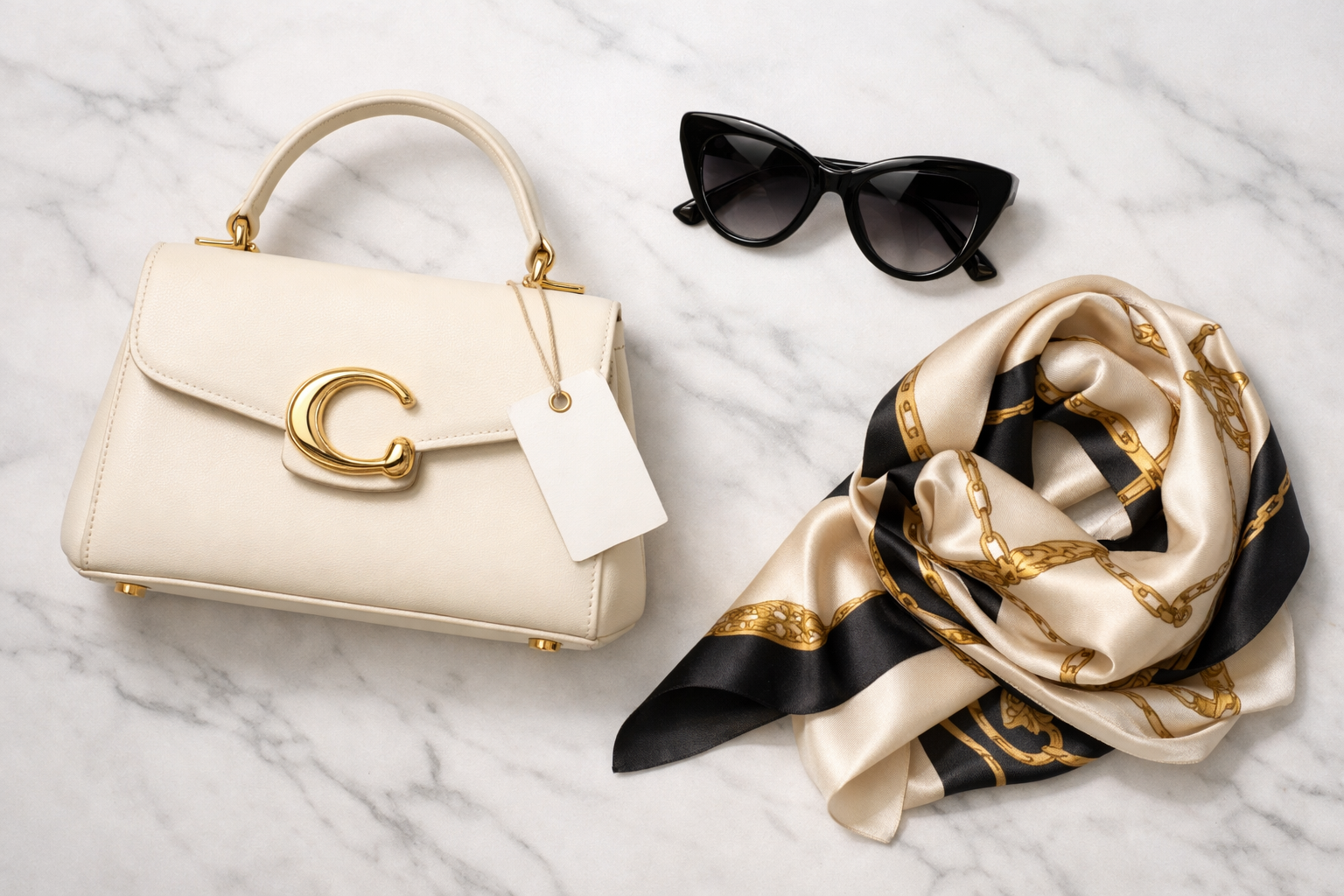
Let me be blunt: paying full retail for designer fashion is almost always unnecessary. Between outlet stores, sample sales, consignment platforms, and flash sale sites, there's a whole world of ways to get the real thing at a fraction of the sticker price. I've been building my wardrobe this way for years, and I rarely pay more than 40 to 50 percent of retail on anything designer.
The trick is knowing which channels are legit, when to shop each one, and how to make sure what you're getting is authentic. That's what this guide is all about.
Outlet Stores: Understanding the Mainline Difference
Outlet stores are the obvious first stop for designer bargain hunters, but there's a catch most people don't realize. A huge chunk of what you find at outlets was never sold at a full-price store. Brands like Coach, Kate Spade, and Michael Kors produce completely separate product lines just for their outlet locations. The materials are different. The construction is simpler. It carries the same name but it's not the same product.
So how do you spot the difference? Look for clues like different labeling, tiny punched holes near the brand tag, or style numbers that start with a specific prefix. The real finds at outlets are genuine markdowns from the mainline collection — pieces that didn't sell at full price and got sent to the outlet instead. These show up in smaller quantities. Visit during holiday weekend sales to stack extra discounts for savings of 60 to 80 percent off the original retail price.
Sample Sales: Insider Access to Deep Discounts
If you've never been to a sample sale, you're missing out on some of the steepest discounts you'll ever find on genuine designer stuff. These events started as a way for fashion houses to unload samples, overstock, and past-season inventory. Discounts typically run 50 to 80 percent off retail, and the merchandise is usually authentic mainline product — not outlet-grade goods.
New York, LA, and London host sample sales regularly, with announcements going out through email lists, social media, and dedicated platforms. Online sample sales have also opened this up to people outside big fashion cities. My advice: show up early for the best picks, know your sizes ahead of time (fitting rooms are often scarce), and have a good sense of retail prices so you can tell a real deal from a mediocre one.
- Sign up for email alerts from brands you love — early access makes a huge difference
- Follow social media accounts that track sample sale events in your city
- Bring cash — some sample sales don't take cards
- Check return policies carefully, because most sample sales are final sale
Consignment and Resale Platforms
The luxury resale market has blown up in the last few years, and honestly, it's one of the best things to happen for budget-minded fashion lovers. The RealReal, Poshmark, Vestiaire Collective, and ThredUp all make it easy to buy pre-owned designer pieces at serious discounts. The RealReal has a whole team of authentication experts who check every item before it gets listed. Savings typically run 30 to 70 percent off retail depending on condition and demand.
Poshmark works more like a social marketplace where individual sellers set prices — which means everything is negotiable. I use the "offer" button on almost every purchase, and sellers frequently accept bids 20 to 30 percent below their asking price. Vestiaire Collective leans toward European and high-end luxury, and they authenticate items above a certain price point.
"Buying pre-owned designer isn't about settling. It's about being smart enough to let someone else take the depreciation hit while you enjoy the same quality and craftsmanship for a fraction of the cost."
Flash Sale Sites: Gilt, Rue La La, and Beyond
Flash sale sites offer designer gear at big discounts for limited windows — usually 48 to 72 hours. Gilt is the most well-known, with curated drops of designer clothing, accessories, and home goods at 30 to 60 percent off. Rue La La and HauteLook (now part of Nordstrom Rack) work the same way, launching new sales daily.
The urgency factor means good stuff sells out fast, so set notifications for brands you care about and shop as soon as sales open. One heads-up though: flash sale pricing isn't always the lowest available. Always compare against other discount channels before pulling the trigger, and watch out for shipping costs and return policies, which vary a lot between platforms.
Off-Season Shopping and Strategic Timing
One of the simplest ways to save on designer fashion? Buy off-season. Designer pieces follow the same markdown patterns as regular fashion, but the discounts can be even more dramatic because the starting prices are so much higher. A designer winter coat that goes for $2,000 in November might hit $600 to $800 by February or March. That's real money.
End-of-season sales at Nordstrom, Saks Fifth Avenue, and Neiman Marcus are goldmines for designer buys. These stores discount progressively — markdowns get deeper every few weeks. By the final clearance phase, prices can be down 70 percent or more, though you'll have slimmer pickings on sizes and styles. The lesson? Plan your wardrobe a season ahead and you'll have first crack at the best discounts.
Authentication: Protecting Yourself from Counterfeits
Any time you buy designer through a secondary channel, authentication matters. Counterfeits have gotten scary good, and even experienced shoppers get fooled sometimes. Here's how to protect yourself.
- Buy from platforms with professional authentication — The RealReal and Vestiaire Collective both do this
- Learn the details of brands you buy often: stitching patterns, hardware quality, font on labels, serial number formats
- For big purchases, use third-party authentication services like Entrupy or Real Authentication
- If a deal looks too good to be true — especially on social media marketplaces — it probably is
- Ask for detailed photos of labels, hardware, stitching, and date codes before buying from individual sellers
Which Designer Items Hold Their Value
Not all designer buys are created equal when it comes to holding value. Classic handbags from Chanel, Hermes, and Louis Vuitton have historically gone UP in value — especially limited editions or discontinued styles. Iconic shoes like Christian Louboutin pumps and Gucci loafers hold value well too.
On the flip side, trendy pieces and heavily logo'd items lose value fast. If you're buying designer to save money long-term, stick with timeless shapes, neutral colors, and well-built basics that'll look good for years. These pieces give you better cost-per-wear AND hold their resale value if you decide to sell down the road.
Key Takeaway
Getting designer fashion for less takes patience, some research, and knowing your channels. Consignment platforms and sample sales offer the deepest discounts on authentic pieces. Off-season shopping is a reliable money-saver. And always, always verify authenticity through a reputable service. Put your money into timeless pieces that hold value rather than trend-heavy items that'll depreciate fast.
Building a designer wardrobe on a budget is a marathon, not a sprint. Mix up your shopping channels, time your buys to the markdown calendar, and you'll enjoy real luxury fashion while spending a fraction of what full-price shoppers pay. It adds up quickly — and with practice, you'll develop an instinct for spotting great deals before anyone else does.