Deal
DealSustainable Fashion on a Budget: Eco-Friendly Style for Less
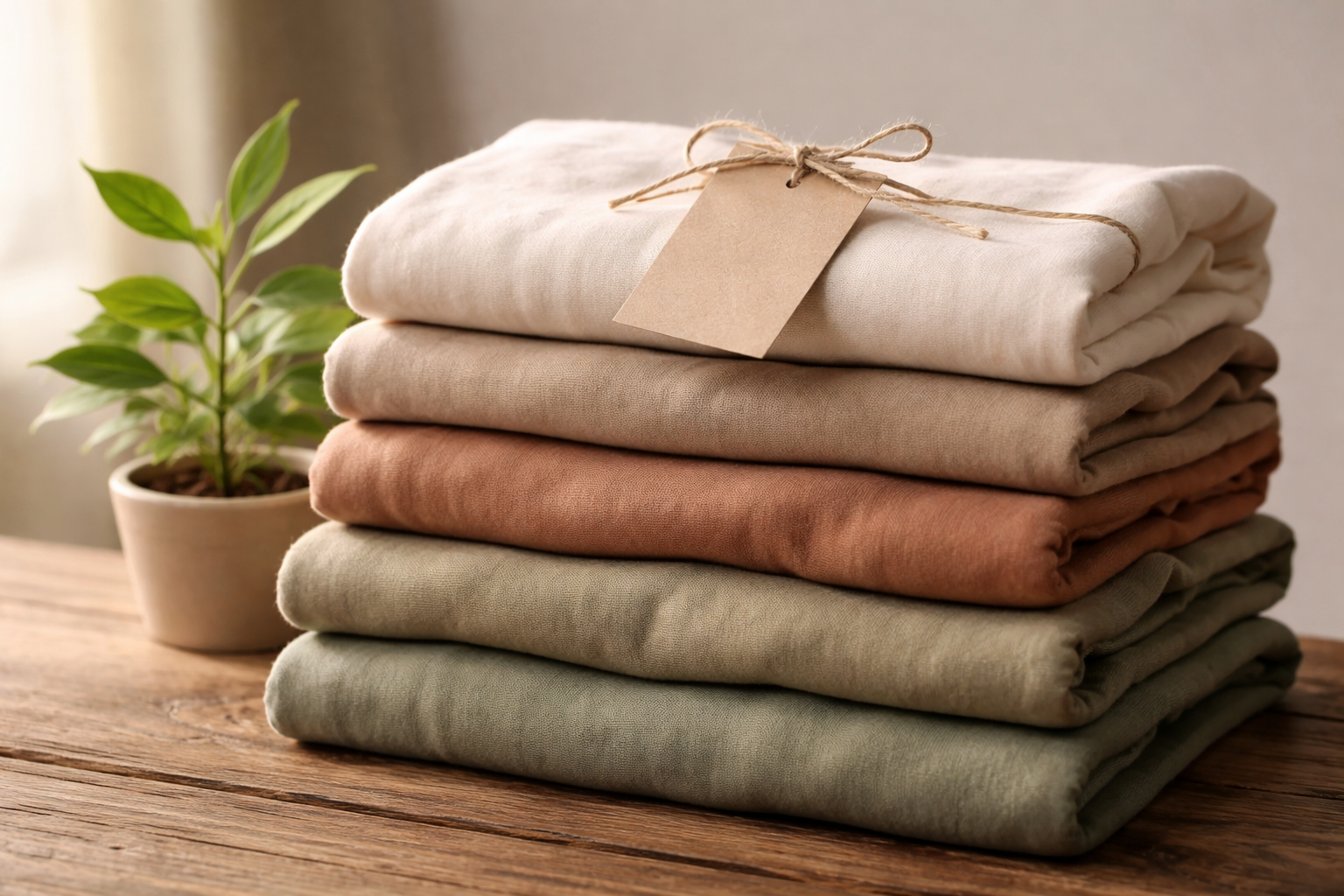
Here's what bugs me about the sustainable fashion conversation: everyone acts like you need a huge budget to dress ethically. That's just not true. The most eco-friendly wardrobe choices are actually the cheapest ones — thrift shopping, clothing swaps, repairing what you already own. You don't need to spend $90 on an organic cotton t-shirt to make a difference.
I've been building my wardrobe around sustainability for a few years now, and I spend LESS than I did before. Let me show you how that works.
Affordable Sustainable Brands Worth Knowing
The sustainable fashion world has grown a lot, and there are now some genuinely affordable options. Pact makes organic cotton basics — t-shirts, underwear, loungewear — at prices that compete with regular retail. They're Fair Trade certified and the quality is solid. It's probably the easiest entry point into sustainable fashion.
Quince has gotten popular for offering high-end sustainable materials at surprisingly low prices. We're talking cashmere sweaters, silk blouses, and linen pieces for way less than other sustainable brands charge. Everlane focuses on transparent pricing and runs regular "Choose What You Pay" sales. H&M's Conscious Collection and Zara's Join Life line are budget-friendly options too, though their overall sustainability is — let's say debatable.
- Pact has organic cotton basics starting under $15 per item
- Quince offers luxury sustainable fabrics at wholesale-type pricing
- Everlane features transparent pricing with regular sales
- Girlfriend Collective makes activewear from recycled water bottles at mid-range prices
- ThredUp and Swap.com let you shop curated secondhand clothing online
Thrift Shopping: The Most Sustainable Option
The greenest garment is one that already exists. Full stop. Thrift shopping keeps clothes out of landfills, and it's by far the cheapest way to build a sustainable wardrobe. We're talking 50 to 90 percent below original retail prices. I found a barely-worn Patagonia fleece for $8 last month. Eight dollars.
Thrifting does require a different mindset than normal shopping though. You've got to visit stores regularly because inventory changes daily and the good stuff goes fast. Stores in wealthier neighborhoods tend to have better donations — that's just how it works. Shop by fabric and how well something is made, not just the label. A well-constructed piece from an unknown brand beats a flimsy item from a famous one every time. And if you don't have great thrift stores nearby, online platforms like ThredUp, Poshmark, and Depop bring secondhand shopping right to your phone.
"The most sustainable wardrobe isn't the one packed with eco-labels. It's the one where every piece gets worn regularly, gets cared for properly, and stays out of the trash for as long as possible."
The Capsule Wardrobe Strategy for Maximum Savings
A capsule wardrobe is basically a small, curated set of versatile pieces that all work together. You can mix and match to create tons of outfits from a relatively small number of items. It's inherently sustainable because you need less stuff, and it forces you to be intentional about what you buy instead of grabbing things on impulse.
Most capsule wardrobes run about 30 to 40 items including shoes and outerwear. Invest in quality basics in neutral colors, toss in a few statement pieces for personality, and you've got way more outfit options than you'd expect. The money savings are real too — a well-planned capsule wardrobe can slash your annual clothing spending by 50 to 70 percent compared to trend-chasing habits. And you'll generate way less textile waste.
Clothing Swap Events: Free Wardrobe Refreshes
Clothing swaps are exactly what they sound like — you bring stuff you don't wear anymore, and you take home stuff other people brought. It's free. It's social. And it's one of the most sustainable things you can do with your closet.
Libraries, community centers, churches, and environmental groups all host swap events. There are online versions too, where people ship items to each other through social media groups and swap platforms. My advice: bring items that are clean, in good shape, and still in style. Be open to trying things you wouldn't normally pick. And focus on quality and fit over brand names — that's where you'll find the real gems.
- Search social media and community boards for local events
- Host your own swap party with friends for a more curated experience
- Bring a variety of sizes and styles to maximize your trading options
- Donate leftover items to charity after the event
Repair vs Replace: The Economics of Clothing Care
Getting more life out of clothes you already own is one of the most impactful things you can do — for the planet and your wallet. Learning basic repairs like sewing on buttons, fixing hems, and patching small holes can add years to your clothes. A sewing kit costs under $10. The potential savings? Hundreds of dollars over time.
For trickier repairs, local tailors and alteration shops offer professional work at reasonable prices. Shortening pants, swapping a zipper, taking in a seam — these changes can make a thrift store find feel custom. Shoe repair shops can resole your boots for a fraction of what new ones would cost, which is especially smart for quality leather footwear that actually gets better with age.
My rule of thumb: if the repair costs less than a third of the replacement cost and the garment has real life left in it, fix it. A $15 zipper replacement on a $200 jacket? That's a no-brainer. Even for cheaper items, a quick mend can extend useful life by a year or more — and those savings stack up.
Sustainable Fabric Guide for Smart Shoppers
Knowing your fabrics helps you make better choices for sustainability AND longevity. Organic cotton uses way less water and zero synthetic pesticides compared to conventional cotton. Linen (made from flax) is naturally tough and needs minimal water and chemicals to produce. Tencel — also called lyocell — comes from sustainably sourced wood pulp and is manufactured using a closed-loop process that recycles water and solvents.
Recycled polyester takes plastic waste that would've ended up in a landfill or ocean and turns it into fabric that performs just like the virgin version. Hemp might be the most sustainable fiber out there — it barely needs water, requires no pesticides, and actually makes the soil healthier as it grows. When you're shopping, check the labels and lean toward these materials over conventional synthetics whenever you can.
Key Takeaway
Sustainable fashion doesn't have to cost more. The most impactful strategies are also the most affordable: buy secondhand through thrift stores and swaps, build a focused capsule wardrobe to reduce total buys, repair what you own instead of replacing it, and choose durable natural or recycled fabrics when you do buy new. Small, consistent choices add up to big environmental and financial wins over time.
Going sustainable with your wardrobe is really about changing how you think about clothes, not just where you buy them. Slow down your buying habits, take better care of what you have, and try secondhand or swap options before hitting "add to cart" on something new. You'll end up with a wardrobe that reflects your values without stressing your budget. And the most sustainable option is almost always the cheapest one — which is something any budget-minded shopper can get behind.