Deal
Deal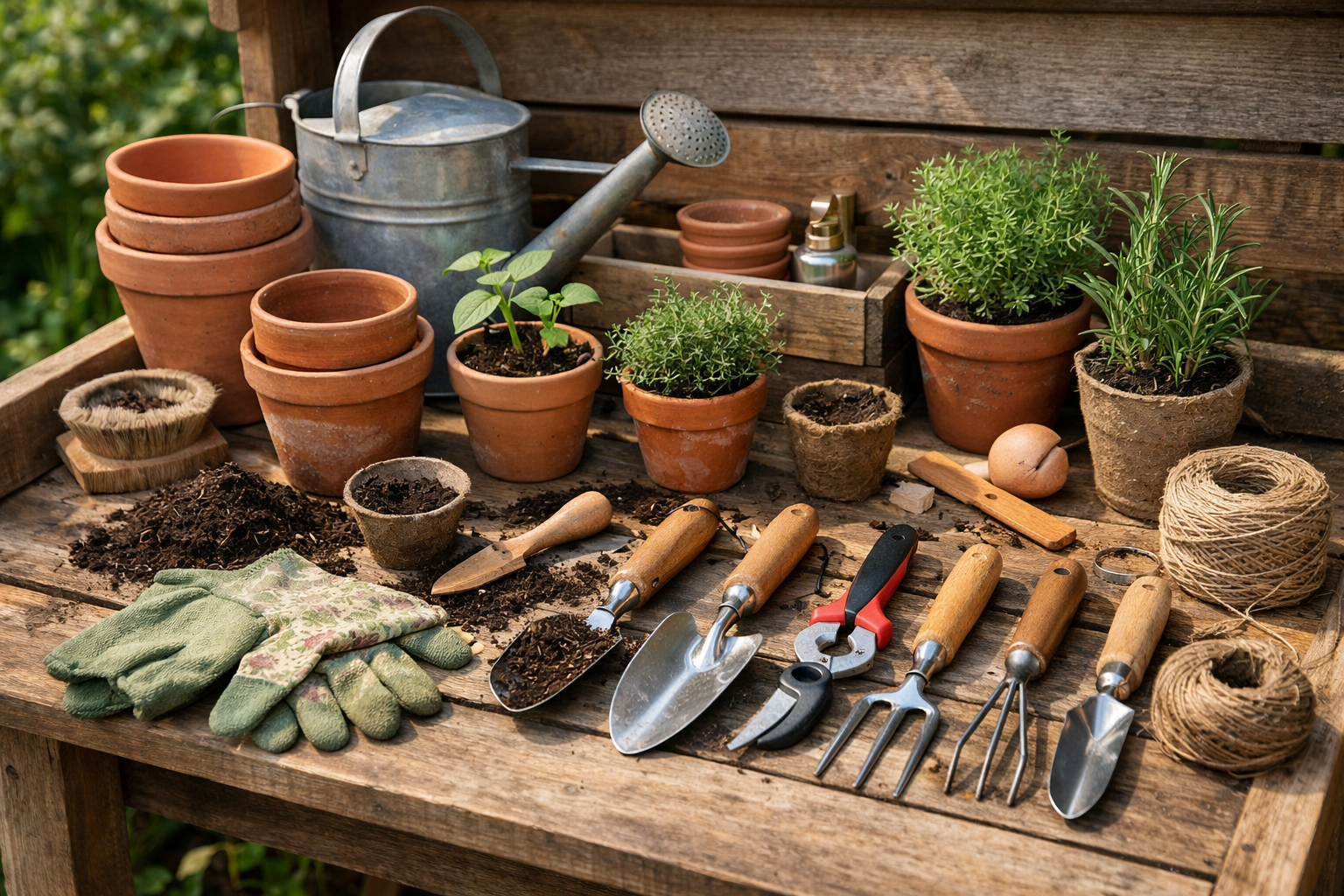
When I started gardening, I made the classic mistake: I walked into a garden center in April and bought one of everything. Spent way too much, and half those tools are still sitting in my shed barely used. Turns out, you don't need a fortune to get a solid garden toolkit — you just need to know what's actually worth buying, what's fine at the cheap level, and when to grab the best prices.
Essential Tools vs. Nice-to-Have Tools
Before you spend a single dollar, split your list into two buckets. There's the stuff you'll reach for every time you garden, and there's the stuff that's convenient but not strictly necessary — especially when you're starting out.
Tools you actually need:
- A quality hand trowel for digging and transplanting
- Bypass pruning shears for trimming and harvesting
- A garden fork or spade for turning soil and digging beds
- A sturdy rake for leveling and clearing debris
- A reliable garden hose with an adjustable nozzle
- Work gloves that fit properly and actually protect your hands
Tools that can wait:
- Wheelbarrow or garden cart
- Edging tools
- Specialized pruning saws
- Broadcast spreaders
- Electric or gas-powered cultivators
Stick to the basics first and you'll be able to handle about 90 percent of common garden tasks without overspending on stuff that might collect dust for months.
Where to Invest and Where to Go Cheap
Not every garden tool benefits equally from being expensive. Knowing which tools are worth a premium — and which perform just fine at the budget level — is one of the smartest things a gardener can figure out.
Spend more on cutting tools. Pruning shears, loppers, anything with a blade — these benefit hugely from quality steel. Cheap pruners dull fast, crush stems instead of cutting cleanly, and need replacing within a season. A solid pair of bypass pruners from Felco, ARS, or Fiskars costs $25 to $60 and can literally last 10 to 20 years with basic care. I've had mine for 8 years and they still cut like new.
Go budget on the simple stuff. Rakes, hoes, and basic trowels work nearly the same across price points. A $15 garden rake does the same job as a $40 one. Same goes for watering cans, kneeling pads, and plant markers. Save your money on these and redirect it toward cutting tools and power equipment where quality differences really show.
Pro Tip: Check estate sales, garage sales, and online marketplaces for used garden tools. Older tools from brands like Ames and True Temper were often made with heavier steel than today's versions. I bought a vintage garden fork at an estate sale for $5 that outperforms a brand-new $40 one from the hardware store.
End-of-Season Clearance Timing
Garden tools follow an extremely predictable seasonal pricing curve. Stores stock up in early spring when demand peaks, then start discounting as summer fades. The deepest clearance prices land between late August and October, when stores need shelf space for fall and winter products.
During end-of-season clearance, expect 40 to 70 percent off garden tools, planters, soil, mulch, and outdoor furniture. This is the perfect time to stock up on potting soil, fertilizer, and mulch for next year, plus grab any tools you've been eyeing at a fraction of their spring prices. Home Depot, Lowe's, and Tractor Supply all run aggressive clearance events starting in September.
Tool Maintenance to Extend Lifespan
Proper maintenance can double or triple how long your tools last. It's one of the highest-return time investments you can make as a gardener. A well-maintained set of tools bought once can genuinely last a lifetime.
- Clean after every use: Knock off soil and debris with a stiff brush. For sticky sap on pruning tools, wipe blades with rubbing alcohol.
- Dry thoroughly: Never store wet tools. Moisture causes rust and rots handles. Wipe metal parts dry and keep tools in a covered area.
- Oil the metal: A light coat of linseed oil or WD-40 on metal surfaces after cleaning creates a moisture barrier. Takes 30 seconds.
- Sharpen cutting tools yearly: A flat mill file or sharpening stone restores the edge on pruners, loppers, hoes, and shovels in minutes. Sharp tools take less effort to use and make cleaner cuts on plants.
- Treat wooden handles: Sand rough spots and rub in boiled linseed oil once per season to prevent cracking and splintering.
Rental vs. Purchase for Expensive Equipment
Power tools and heavy garden equipment can cost hundreds or even thousands of dollars, but most of them only get used once or twice a year. Renting makes way more sense for these occasional-use items.
Things worth renting instead of buying: tillers, cultivators, pressure washers, stump grinders, aerators, and sod cutters. Home Depot, Sunbelt Rentals, and local shops typically charge $40 to $150 per day for these, compared to buying prices of $300 to $2,000. If you'd use something fewer than 5 to 8 times a year, renting is almost always the smarter play.
Community Tool Libraries
This one's a hidden gem that most gardeners don't even know about. Community tool libraries work just like book libraries — but for tools. Members borrow equipment for free or for a small annual fee, usually $20 to $50. Hundreds of cities have them, and they often stock quality garden tools, tillers, chippers, and other gear that would cost a fortune to buy.
Search for tool lending libraries through your local library system or community center. A lot of Buy Nothing groups on social media also set up tool-sharing among neighbors, giving you free access to equipment without spending a dime.
Starter Garden Toolkit Recommendations by Budget
Key Takeaway
Under $50: A hand trowel, hand fork, basic pruning shears, work gloves, and a watering can — that handles container gardening and small beds. $50 to $150: Add quality bypass pruners, a full-size fork or spade, a rake, and a 50-foot hose with nozzle — this covers most residential gardening. $150 to $300: Throw in a wheelbarrow or cart, loppers for thick branches, a kneeling pad, and a soaker hose irrigation setup. Spend more on cutting tools, go cheap on everything else. Hit end-of-season clearance to stretch every dollar further, and always check for used tools before buying new.
Building a well-stocked garden toolkit is a gradual thing, not a one-time spending spree. Start with the basics, invest where it counts, pounce on clearance deals, and take care of your tools. Over time, you'll have everything you need at a fraction of what impulse shoppers pay in one spring trip to the garden center.