Deal
Deal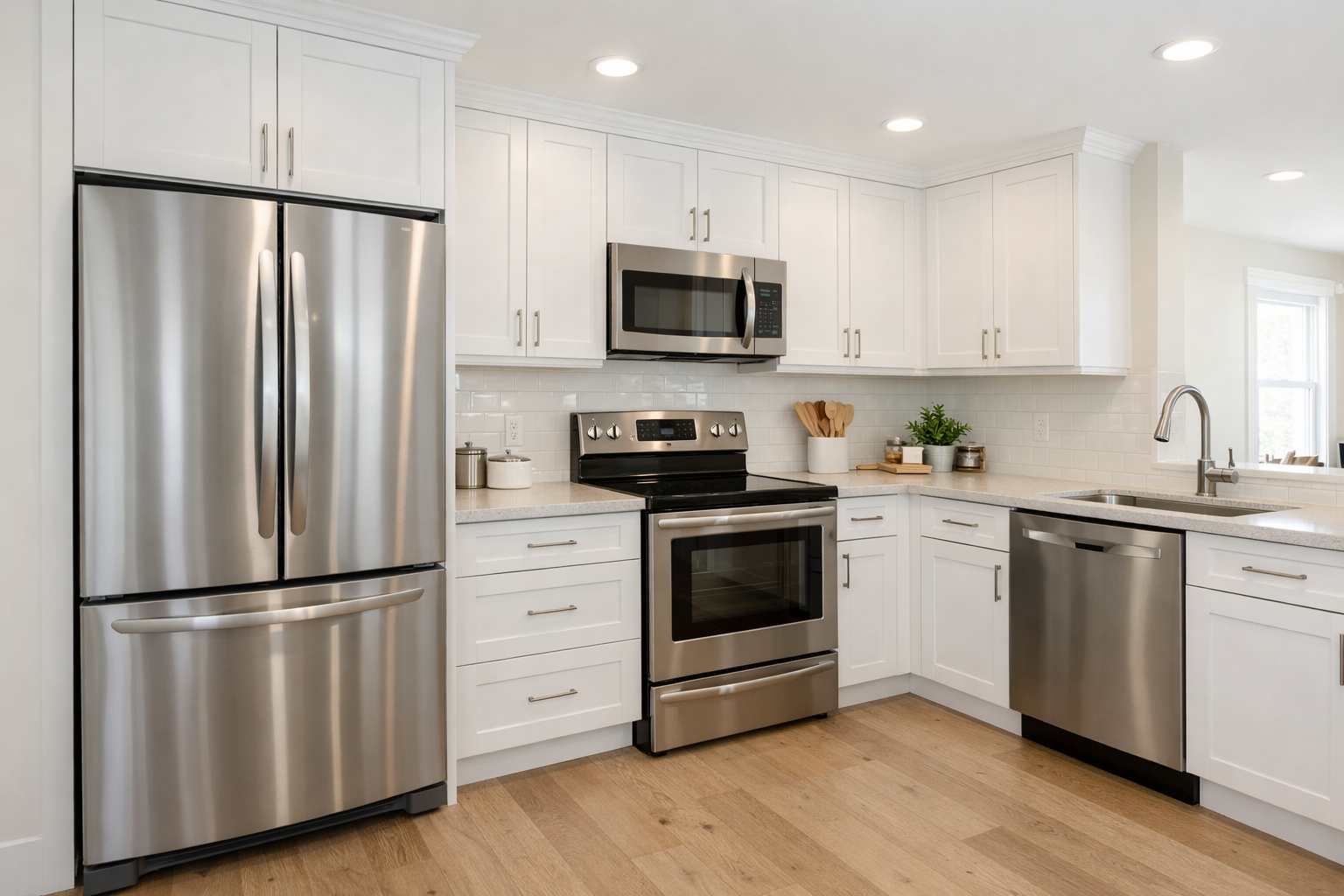
Appliances are some of the biggest purchases you'll ever make for your home — right behind the house itself and your car. A fridge, a washer-dryer combo, or a kitchen range can easily run between $1,000 and $4,000 at full price. But here's the good news: with the right timing, some negotiation skills, and a few insider tricks, you can save hundreds on every single appliance you buy. I've been doing it for years.
The Best Times to Buy Appliances
Appliances follow really predictable sales cycles, and learning those patterns is the single best way to pay less. Holiday weekends are your friend here — manufacturers fund the promotions, and stores pass the savings to you.
- Presidents' Day Weekend (February): One of the biggest appliance sales all year. Discounts run 20 to 40 percent across the board.
- Memorial Day Weekend (May): Stores push hard to clear spring inventory — great time for kitchen and laundry appliances.
- Labor Day Weekend (September): This one's special because it overlaps with the model changeover, giving you a double savings window.
- Black Friday and Cyber Monday (November): Deepest discounts tend to land on doorbuster models, but you can find legitimate 30 to 50 percent off on quality machines too.
But here's the real secret most people don't know: the model changeover period from September through October is hands-down the best time to buy. Manufacturers launch updated models every fall, and stores need to dump last year's inventory fast. Those outgoing models work exactly the same as the new ones — usually just cosmetic or minor feature tweaks — yet they're discounted 15 to 25 percent.
Negotiation Tactics That Work at Appliance Stores
Unlike most retail, appliance prices are actually negotiable. This blew my mind the first time I tried it. Sales associates work on commission, which gives you room to haggle.
Start by looking up the lowest online price before you walk in. Pull it up on your phone and ask the salesperson to match or beat it. When you're buying multiple appliances, always ask for a bundle discount — buying a full kitchen suite of 4 or 5 pieces can get you an extra 5 to 10 percent off already-reduced prices. And don't be shy about asking for free delivery, installation, or haul-away of your old stuff. Those services run $100 to $300, and stores will often throw them in to close the deal.
Pro Tip: Go to appliance stores on weekday mornings when it's quiet. Salespeople are way more willing to negotiate when there's nobody else on the floor and they need to build their daily numbers. End of the month is even better — that's when they're scrambling to hit monthly quotas.
Scratch-and-Dent Deals: Hidden Goldmines
Scratch-and-dent appliances are units that got dinged during shipping or while sitting on the warehouse floor. Cosmetically, they're not perfect. Functionally? They're identical to the shiny new ones, and they carry the exact same manufacturer warranty. The discounts range from 20 to 50 percent off.
Most big retailers have a scratch-and-dent section, but they don't exactly advertise it. You've got to ask. A small dent on the side panel of a fridge — the part that's going to be hidden between your cabinets anyway — could save you $400 or more. I got my current dishwasher this way. There's a tiny scratch on the side panel that literally nobody has ever noticed, and I paid $350 less than retail.
Energy Efficiency: Savings That Pay for Themselves
Picking an energy-efficient appliance isn't just a green thing. It's a money thing. The gap between a standard fridge and an Energy Star certified one can save you $50 to $75 a year on electricity. Over a fridge's typical 12 to 15 year lifespan, that's $600 to over $1,000 back in your pocket through lower utility bills.
When comparing models, look at the yellow EnergyGuide label — it shows estimated annual operating costs. A washer that costs $50 more upfront but saves $30 a year in water and electricity pays for itself in under two years. Always think about total cost of ownership over the appliance's lifespan, not just the sticker price.
Extended Warranties: Should You Buy Them?
I'll be honest with you: most of the time, skip them. Consumer Reports has found that extended warranty costs usually exceed the average repair cost over the warranty period. Most appliances either die within the first year (covered by the manufacturer warranty) or last well past when the extended warranty expires.
That said, there are a few exceptions worth thinking about:
- Refrigerators with fancy features like smart displays or built-in water filtration have more parts that can break.
- Front-loading washers historically have higher repair rates than top-loaders.
- Your credit card might already have you covered — many cards automatically double the manufacturer warranty at no cost when you use the card for the purchase. Check yours before paying for a separate plan.
Delivery and Installation Tips
Delivery and installation can add $150 to $300 to your bill if you don't negotiate. Always try to get these included as part of the deal. Many stores offer free delivery during big sale events, and some will throw in free installation for built-in appliances like dishwashers and over-the-range microwaves.
Before delivery day — and this is huge — measure your doorways, hallways, and the installation space. Make sure the appliance will physically fit through every door along the path. Having to return an appliance because it won't fit through a 32-inch doorway happens way more often than you'd think, and return shipping isn't cheap.
Features Worth Paying For vs. Features to Skip
Appliance makers are constantly piling on new features to justify higher prices. Some genuinely make your life better. Others are just expensive gimmicks.
Key Takeaway
Features worth your money: Steam cleaning in ovens, adjustable shelving in fridges, moisture sensors in dryers, and third racks in dishwashers — all of these make a real difference in daily use. Features you can skip: Wi-Fi on most appliances, built-in smart displays, custom color panels, and specialty wash cycles beyond the 5 or 6 standard ones. These rarely justify the price premium. Put your budget toward build quality and core performance, not bells and whistles.
The smartest appliance shoppers combine timing, negotiation, and smart feature choices to consistently save 25 to 40 percent. Shop during model changeover, ask for bundle discounts, check out the scratch-and-dent section, and run the numbers on energy efficiency. Start with the calendar, bring competitor pricing on your phone, and never accept the first price you see. Your wallet will thank you.