Deal
Deal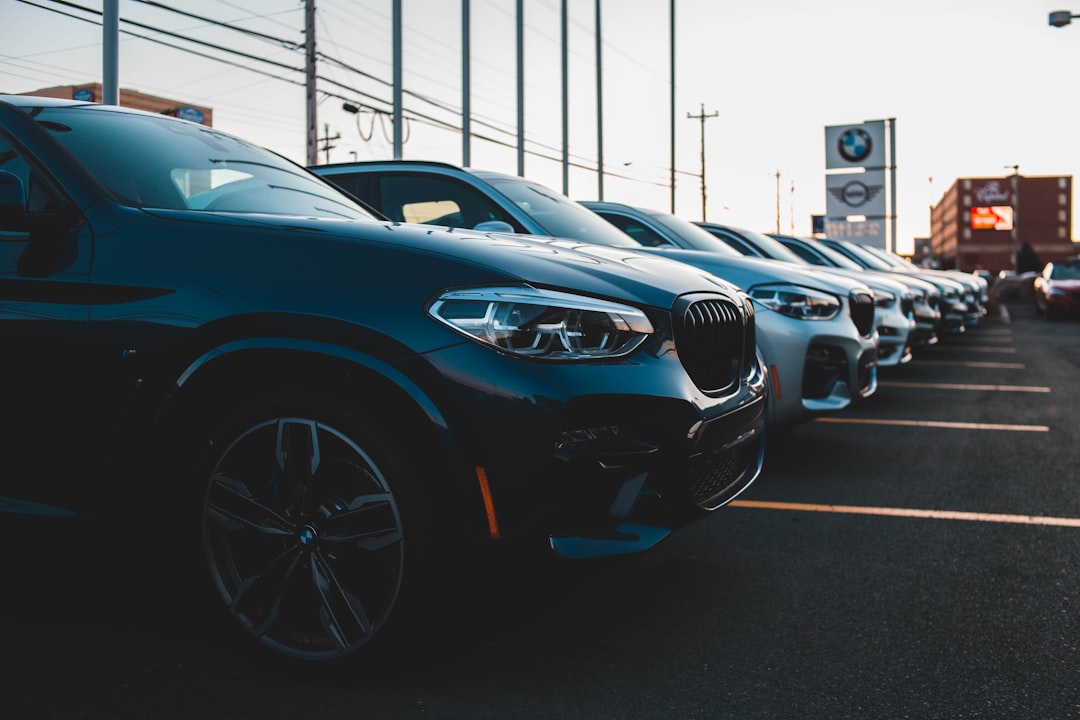
Last month, my neighbor Sarah asked me to help her navigate the confusing world of certified pre-owned (CPO) cars versus regular used cars. She'd been getting wildly different quotes – one dealer wanted $28,000 for a CPO Honda Accord, while another offered a similar regular used one for $23,000. "Is that certification really worth five grand?" she asked.
After spending the weekend diving deep into both options with her, we discovered some eye-opening truths that could save you thousands on your next car purchase. Here's everything I learned about when CPO makes sense and when you're better off going the regular used car route.
What Certified Pre-Owned Actually Gets You
Let me be honest – I used to think certified pre-owned was just fancy marketing. But after talking to three different dealership managers and a former CPO inspector, I realized there's real value hiding behind that certification sticker.
CPO vehicles go through a multi-point inspection that typically covers 100-200 items, depending on the manufacturer. When I watched a CPO inspection at a Toyota dealership, the technician spent nearly four hours checking everything from brake pad thickness to electronic system diagnostics. They replaced $800 worth of parts on a 2021 Camry just to meet certification standards.
Here's what you typically get with CPO certification:
- Extended warranty coverage (usually 6-12 months longer than factory warranty remaining)
- Roadside assistance for 1-2 years
- Multi-point inspection with documentation
- Vehicle history report verification
- Return policy (usually 3-7 days)
- Special financing rates (often 0.9-2.9% lower than regular used car loans)
The financing difference alone can be huge. Sarah qualified for 3.9% APR on the CPO Accord versus 7.2% on the regular used one. Over five years, that 3.3% difference would save her $2,400 in interest – nearly half the CPO premium right there.
When CPO Makes Financial Sense
After analyzing deals for Sarah and running numbers on dozens of scenarios, I found four situations where CPO consistently delivers better value:
Luxury vehicles 2-4 years old: The CPO premium on luxury cars is often only 8-12%, but the extended warranty can save you thousands. A friend bought a CPO BMW X3 and used $3,200 in warranty repairs in year three – repairs that would've cost him out-of-pocket on a regular used car.
Vehicles still under original warranty: If the car has 1-2 years of factory warranty remaining, CPO extends that coverage significantly. I calculated that on vehicles with substantial warranty time left, you're essentially paying $1,500-$2,500 for warranty extension that would cost $3,000-$4,500 to purchase separately.
High-mileage drivers: CPO roadside assistance and extended coverage become more valuable if you drive 15,000+ miles annually. The probability of needing repairs increases with higher mileage, making that safety net worthwhile.
First-time used car buyers: The return policy and guaranteed vehicle history provide peace of mind that's hard to quantify but incredibly valuable if you're not confident evaluating used cars yourself.
Pro tip: Always negotiate the CPO premium. Dealers often have flexibility on CPO pricing, especially near month-end. I've seen CPO premiums reduced by $1,000-$2,000 through negotiation alone.
When Regular Used Cars Are the Better Deal
Here's where CPO marketing doesn't want you to look – the scenarios where you're throwing money away on certification you don't need.
Vehicles over 6 years old: The CPO premium on older vehicles rarely makes sense because you're paying for extended warranty on cars that are already past their most reliable years. I looked at a 2018 Honda Civic where the CPO version was $3,000 more, but the extended warranty would only last 18 months due to mileage limits.
Reliable brands with excellent track records: Toyota, Honda, and Mazda have such strong reliability that the CPO premium often exceeds the statistical value of potential repairs. Consumer Reports data shows these brands have 40-50% fewer problems than average, making extended coverage less valuable.
When you have a trusted independent mechanic: If you have a reliable mechanic who can perform pre-purchase inspections for $150-$250, you can often identify issues that CPO inspections miss. My mechanic found transmission problems in a CPO vehicle that somehow passed certification – the dealer had to fix it under their CPO guarantee.
Cash buyers with emergency funds: If you're paying cash and have $5,000+ set aside for potential repairs, the mathematical advantage shifts toward regular used cars. You keep the premium in your pocket and self-insure against repairs.
The Hidden Costs Nobody Talks About
Both CPO and regular used cars come with sneaky costs that dealers don't advertise upfront. Here's what caught Sarah and me off guard:
CPO documentation fees: Many dealers charge additional "certification fees" of $300-$800 beyond the vehicle price. These are often negotiable, but you need to ask specifically about them.
Limited repair network: CPO warranties often require repairs at authorized dealers, which charge 20-40% more than independent shops. I calculated this restriction costs an average of $400-$600 per major repair over the warranty period.
Mileage restrictions: CPO extended warranties usually have mileage caps that can void coverage earlier than expected. Read the fine print – some programs end coverage at 100,000 miles regardless of time remaining.
For regular used cars, the hidden costs are different but equally important:
Immediate repair needs: Cars sold "as-is" might need $500-$2,000 in immediate maintenance. Always budget an extra $1,000-$1,500 for unexpected repairs in the first six months.
Extended warranty purchases: Third-party warranties for regular used cars are expensive and often have exclusions that make them nearly worthless. Avoid these unless you're getting a deal from a reputable company like CarMax or Carvana.
My Step-by-Step Evaluation Process
Here's exactly how I help friends decide between CPO and regular used cars:
Step 1: Calculate the true premium. Don't just compare sticker prices – factor in financing rates, warranty costs, and potential repair savings. Create a spreadsheet with total cost of ownership over your planned ownership period.
Step 2: Research the specific model's reliability record. Use Consumer Reports, J.D. Power, and manufacturer service bulletins to understand common problems and their costs. Reliable models make CPO less valuable; problematic ones make it essential.
Step 3: Evaluate your risk tolerance and financial situation. If a $3,000 repair would strain your budget, CPO provides valuable insurance. If you can easily handle unexpected costs, save the premium.
Step 4: Get pre-purchase inspections regardless. Even CPO cars can have hidden issues. Budget $200-$300 for a thorough independent inspection – it's paid for itself every time I've used it.
Step 5: Negotiate both options. Get firm numbers on CPO and regular used versions of similar vehicles, then negotiate each aggressively. Sometimes dealers will discount CPO vehicles enough to make them obvious choices.
Real-World Examples That Changed My Mind
Let me share three specific deals that illustrate when each option works best:
Case 1 – CPO Winner: 2022 Subaru Outback with 28,000 miles. CPO version was $31,500 vs $28,800 regular used. The CPO included 3.9% financing vs 6.8% regular, saving $1,800 in interest. Plus 4 additional years of warranty coverage valued at $2,200. Total CPO benefit: $1,300 despite the higher price.
Case 2 – Regular Used Winner: 2019 Toyota Camry with 45,000 miles. CPO was $24,500 vs $21,200 regular. The reliability data showed 85% of these Camrys required less than $500 in repairs through 80,000 miles. Expected repair savings didn't justify the $3,300 premium.
Case 3 – Surprising Tie: 2021 Ford Escape with 32,000 miles. After factoring in financing differences and warranty values, both options cost within $200 of each other over five years. We chose CPO for the peace of mind, but either would have been financially sound.
The Bottom Line
CPO makes the most sense on luxury vehicles, cars with remaining warranty time, and for buyers who value peace of mind over maximum savings. Regular used cars win for reliable brands, older vehicles, and buyers with strong emergency funds. The key is running the actual numbers for your specific situation rather than assuming one option is always better. Remember: the best deal is the one that fits your budget, risk tolerance, and driving needs – not necessarily the one with the lowest sticker price.