Deal
Deal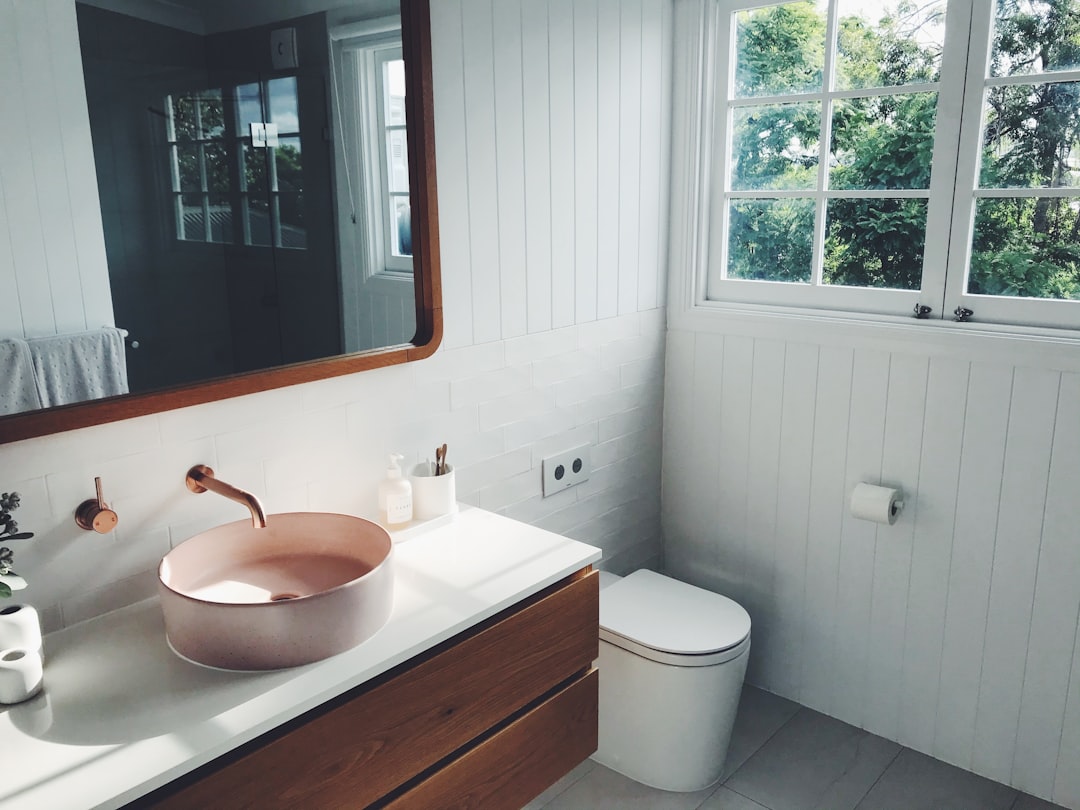
Last spring, I stared at my hideous 1980s bathroom and got three renovation quotes that made my wallet cry: $8,200, $9,500, and a whopping $11,000. Instead of taking out a loan, I decided to get creative with reclaimed materials. Six months later, I had a stunning vintage-modern bathroom for just $2,700 — saving myself $3,500 to $8,300 depending on which quote you're comparing to.
Here's the thing about reclaimed materials: they're not just cheaper, they're often higher quality than what you'll find at Home Depot. That solid wood vanity I scored for $150? It would've cost $800 new, and it wouldn't have had the gorgeous patina and craftsmanship of my 1940s find.
Where to Find Gold Mine Reclaimed Materials
My first stop was architectural salvage yards, and wow, was I unprepared for the treasure hunt. The largest yard in my city had an entire warehouse section dedicated to bathroom fixtures. I found my clawfoot tub there for $320 — the same style retails for $1,200 to $2,800 new.
But here's what nobody tells you about salvage yards: timing is everything. I learned to call ahead and ask about new arrivals. Tuesday mornings were golden because that's when they processed weekend estate cleanouts. I actually kept a wishlist with the yard manager, and he'd text me when relevant items came in.
Facebook Marketplace became my second-best friend. I set up saved searches for terms like "bathroom vanity," "vintage sink," and "bathroom renovation." The key was being ready to move fast and having cash in hand. That $150 vanity? I messaged the seller within 10 minutes of posting and picked it up that afternoon.
- Estate sales (especially in older neighborhoods)
- Habitat for Humanity ReStore locations
- Church and community center renovations
- Local demolition companies
- Craigslist "free" section (seriously, people throw away amazing stuff)
- College towns during move-out season
My Reclaimed Materials Shopping Strategy
I learned this the hard way after buying a beautiful vintage medicine cabinet that turned out to be the wrong size: measure everything twice, and bring a tape measure everywhere. I actually carried a small notebook with all my bathroom dimensions, including plumbing locations and electrical outlet positions.
Here's my pricing rule of thumb: reclaimed materials should cost 30-60% less than retail, depending on condition. If someone's asking 80% of retail price, keep looking unless it's truly one-of-a-kind. I walked away from several "deals" that weren't actually deals.
Pro tip: Always negotiate, especially if you're buying multiple items from the same seller. I got $50 off my vanity by also buying the seller's extra bathroom tiles for $30.
Quality inspection is crucial with reclaimed materials. For wood pieces, I looked for water damage, checked joints and hardware, and tested drawers and doors. With fixtures, I examined the finish and made sure all parts were included. That amazing $200 vintage chandelier? I passed because it was missing three crystal pieces that would've cost $180 to replace.
Renovation Projects That Save the Most Money
Vanities are absolute goldmines for savings. I refinished my $150 find with $40 worth of sandpaper, stain, and polyurethane. Total cost: $190 for something that looks like a $900 piece from Pottery Barn. The refinishing took a weekend, but it was actually relaxing — kind of like meditation with power tools.
Lighting fixtures offer huge savings potential too. I found a 1960s brass vanity light for $35 at an estate sale. After cleaning it up and replacing the bulbs, it looks like something from West Elm's $200 collection. The cleaning process was just Bar Keepers Friend and some elbow grease.
Mirrors are another smart reclaimed purchase. Vintage mirrors have character that new ones lack, plus the frames are often solid wood rather than cheap composite. I scored a gorgeous beveled mirror in a solid oak frame for $45. The same size mirror new would've been $150-250.
- Vanities and cabinets (60-80% savings potential)
- Light fixtures (70-85% savings)
- Mirrors (50-75% savings)
- Clawfoot tubs (40-60% savings)
- Hardware like faucets and doorknobs (30-50% savings)
- Tile (varies wildly, but often 40-70% off)
What to Avoid in Reclaimed Materials
I learned some expensive lessons along the way. Plumbing fixtures older than 1980 can be nightmares for finding replacement parts. I almost bought a gorgeous 1970s shower system for $80, but my plumber friend warned me that finding compatible parts would cost more than buying new.
Electrical fixtures need special attention too. Anything pre-1960 might not meet current electrical codes. I had to pass on an amazing Art Deco light because rewiring it properly would've cost $200 — more than buying a reproduction.
Painted items from before 1978 could contain lead paint. I avoided anything painted unless I could verify it was lead-free or I was planning to strip it completely. The health risk just isn't worth the savings.
DIY Installation vs Professional Help
Here's where I saved even more money: doing installations myself where safe and legal. YouTube University became my best friend. I installed my own vanity, mirror, light fixture, and even laid new tile. Each DIY project saved me $200-500 in labor costs.
However, I hired professionals for plumbing changes and electrical work that required permits. This cost me $800 but was non-negotiable for safety and resale value. The plumber actually complimented my fixture choices and said the quality was higher than most new stuff he installs.
My installation timeline looked like this: electrical and plumbing changes first (professional), then vanity and fixtures (DIY), followed by painting and final touches (DIY). The whole project took three weeks working evenings and weekends.
Hidden Costs to Budget For
Even with reclaimed materials, some costs are unavoidable. I spent $300 on new plumbing supplies, $150 on paint and primer, and $200 on various tools I didn't own. Factor in about 20-30% of your materials cost for these extras.
Refinishing supplies added up too: sandpaper, stain, polyurethane, brushes, and drop cloths cost about $120 total. But this investment let me refinish multiple pieces, so the per-piece cost was reasonable.
Don't forget about disposal costs for your old materials. I spent $75 on a small dumpster rental, but it was worth it to properly dispose of the old vanity and fixtures.
The Bottom Line on Reclaimed Bathroom Renovations
Using reclaimed materials saved me $3,500 on my bathroom renovation while creating a unique space with far more character than any big-box store makeover. The key is patience, flexibility, and doing your homework on quality and pricing. Start collecting materials 2-3 months before you plan to renovate, and you'll find amazing pieces at unbeatable prices. Your wallet and your bathroom will thank you.