Deal
Deal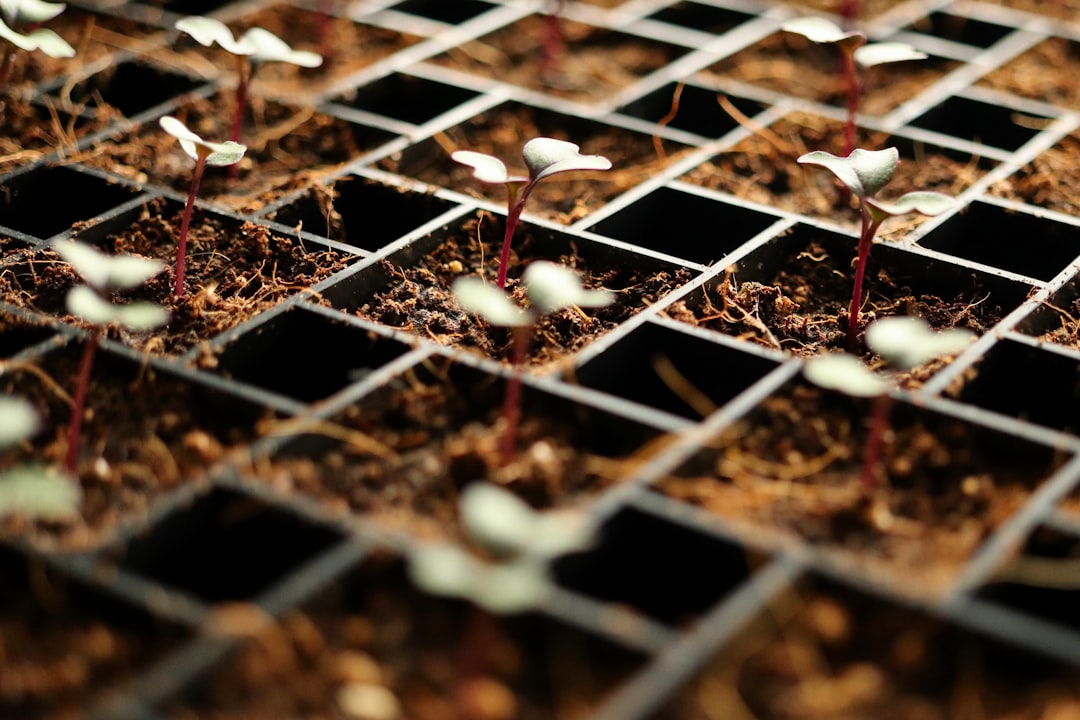
I'll never forget the sticker shock I felt during my first spring trip to the garden center as a new homeowner. Six tomato plants, a few pepper seedlings, and some herbs cost me nearly $45. That's when I realized I needed to learn the money-saving secret that seasoned gardeners have known for decades: starting plants from seeds instead of buying seedlings can save you serious cash.
After five years of seed starting, I now spend about $30 on seeds each spring and end up with enough plants to fill my entire garden, plus extras to give away to neighbors. Let me break down exactly how you can do the same and potentially save $300 or more each growing season.
The Real Cost Comparison: Seeds vs Seedlings
Let's start with some eye-opening math that convinced me to make the switch. Here's what I discovered when I compared costs for a typical home vegetable garden:
- Tomato plants: Seedlings cost $3-6 each vs seeds at $0.15-0.25 per plant
- Pepper plants: Seedlings cost $2-4 each vs seeds at $0.10-0.20 per plant
- Herb plants: Seedlings cost $3-8 each vs seeds at $0.05-0.15 per plant
- Lettuce and greens: Seedlings cost $1-3 per six-pack vs seeds at $0.02-0.05 per plant
- Flower annuals: Seedlings cost $2-5 each vs seeds at $0.03-0.10 per plant
For my typical garden of 12 tomato plants, 8 pepper plants, 6 herb varieties, and 30 annual flowers, buying seedlings would cost me around $180. Growing the same plants from seeds costs me about $15. That's a savings of $165, and I haven't even counted the lettuce, spinach, and other greens I succession plant throughout the season.
When Seeds Make the Most Financial Sense
Not every plant is worth starting from seed from a cost perspective. Through trial and error, I've learned which plants offer the biggest bang for your buck:
Best Money-Saving Seed Starts
- Tomatoes and peppers: Huge savings, especially for heirloom varieties
- Annual flowers: Marigolds, zinnias, and sunflowers are ridiculously cheap from seed
- Herbs: Basil, cilantro, and parsley give you the biggest savings
- Lettuce and greens: Perfect for succession planting every 2-3 weeks
- Beans and peas: Direct seed these, but buy seeds instead of starts
Plants I Still Buy as Seedlings
Some plants just aren't worth the hassle or have such specific germination requirements that buying starts makes sense:
- Slow-growing perennials: Unless you have patience for 2+ year grows
- Difficult germinators: Some flower varieties have tricky requirements
- Single specialty plants: If you only want one unusual variety
- Late-season replacements: When my seed starts fail and it's too late to restart
Pro tip: Calculate your break-even point before investing in seed starting equipment. If you typically spend less than $50 per year on plants, it might not be worth the initial setup cost. But if you're spending $100 or more, you'll see savings immediately.
Essential Equipment That Won't Break the Bank
One mistake I made early on was thinking I needed expensive equipment to start seeds successfully. Here's what actually works, and what I wish I'd known about budget-friendly alternatives:
Basic Setup (Under $40)
- Seed starting trays: Reuse yogurt containers or buy plastic flats for $3-5
- Seed starting mix: $8-12 for a large bag that'll last 2 seasons
- Basic grow light: LED shop lights from hardware stores work great ($15-25)
- Heat mat (optional): Speeds germination but not essential ($10-15)
DIY Alternatives I've Tested
Before investing in "official" seed starting equipment, I tried several DIY options:
- Egg cartons: Work for large seeds but dry out quickly
- Newspaper pots: Biodegradable and free, but labor-intensive to make
- Milk jug mini-greenhouses: Great for winter sowing cold-hardy plants
- South-facing windowsills: Free lighting, but plants get leggy without supplemental light
Timing Your Seed Starting for Maximum Success
Getting the timing right was my biggest challenge as a beginner. Start too early, and your plants get root-bound and stressed. Too late, and you might as well buy seedlings. Here's the schedule I've refined over the years for my Zone 6b garden:
Indoor Starting Timeline
- 12-14 weeks before last frost: Slow growers like peppers and eggplant
- 8-10 weeks before: Tomatoes and annual flowers like petunias
- 6-8 weeks before: Herbs, lettuce, and cool-season crops
- 4-6 weeks before: Warm-season annuals like marigolds and zinnias
I keep a simple calendar on my phone with reminders for each crop. This prevents the "oops, I'm three weeks late" scenario that used to plague my gardening efforts.
Troubleshooting Common Beginner Mistakes
I've made every seed starting mistake in the book, so you don't have to. Here are the most costly errors and how to avoid them:
The "Leggy Seedling" Problem
Insufficient light causes seedlings to stretch toward the light source, creating weak, spindly plants. I learned this lesson after losing an entire tray of tomato seedlings that looked like they were doing yoga poses.
Solution: Keep lights 2-4 inches above seedlings and run them 12-16 hours daily. I use a simple timer to automate this.
Overwatering (The Silent Killer)
More seedlings die from too much water than too little. Soggy soil leads to damping-off disease, which can wipe out entire trays overnight.
Solution: Water from the bottom when possible, and let the soil surface dry slightly between waterings.
Skipping the Hardening Off Process
This was my most expensive mistake. I lost $40 worth of beautiful seedlings by transplanting them directly outside without gradually acclimating them to outdoor conditions.
Solution: Spend 7-10 days gradually exposing seedlings to outdoor conditions, starting with just 1-2 hours of morning sun.
Advanced Money-Saving Strategies
Once you've mastered basic seed starting, these advanced techniques can save even more money:
Succession Planting
Instead of planting all your lettuce at once, start new trays every 2-3 weeks for continuous harvests. This extends your growing season and reduces waste.
Seed Swapping and Sharing
Join local gardening groups or online seed swap communities. I've discovered dozens of new varieties this way and reduced my seed costs by 30-40%.
Saving Your Own Seeds
Open-pollinated varieties allow you to save seeds for next year. I now save seeds from my favorite tomatoes, peppers, and flowers, which has cut my seed costs in half.
Winter Sowing
For cold-hardy plants, try winter sowing in milk jugs. Plant seeds in December/January and let nature handle the stratification process. No indoor space or lights required!
Bottom Line: Your Seed Starting Investment Pays Off Quickly
Starting plants from seeds instead of buying seedlings can easily save you $200-400 per growing season, depending on your garden size. The initial equipment investment of $40-80 pays for itself in the first year, and ongoing costs are minimal. Plus, you'll have access to hundreds of varieties that aren't available as seedlings, making your garden truly unique. Start small with easy crops like tomatoes and herbs, then expand as you gain confidence. Your wallet (and your garden) will thank you.