Deal
Deal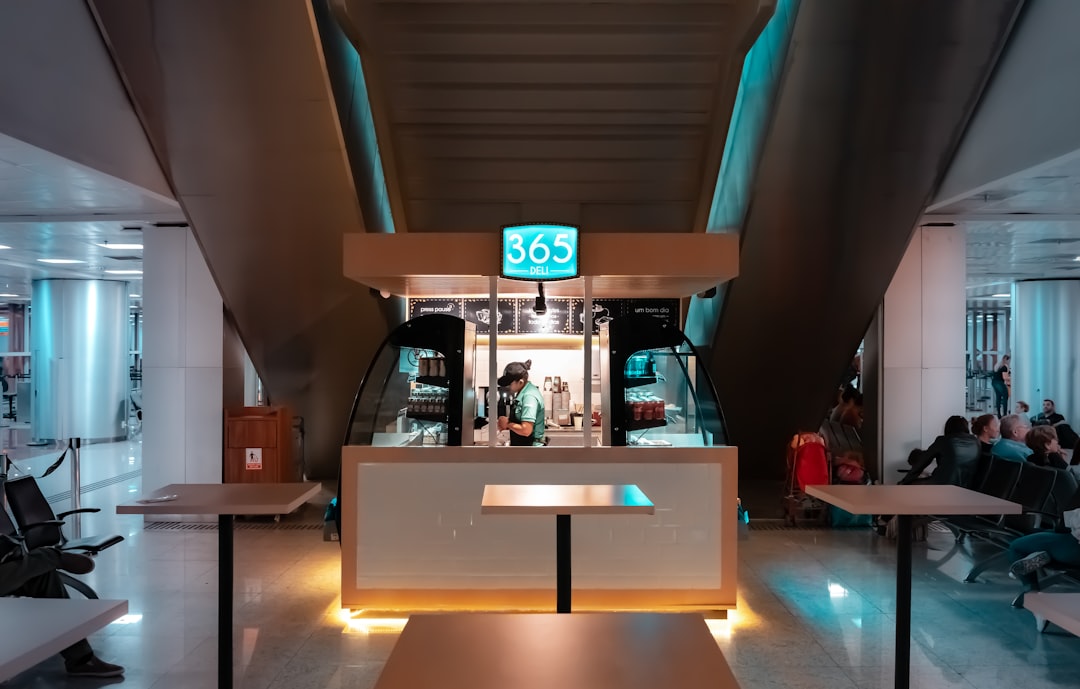
I'll never forget the sticker shock I felt at LAX last year when I paid $18 for what could generously be called a "sandwich" – two thin slices of turkey on stale bread with a pickle. That moment changed how I approach food during travel, and it's saved me hundreds of dollars since.
Airport food prices are absolutely ridiculous, and they're only getting worse. The average airport meal costs 3-4 times what you'd pay outside, and the quality is often terrible. But here's the thing – with a little planning and some insider knowledge, you can eat well while traveling without breaking the bank.
The Real Cost of Airport Food
Let me break down some real numbers I've tracked from my travels this year. At major US airports, here's what you're looking at:
- Basic sandwich: $12-18
- Fast food combo meal: $15-22
- Sit-down restaurant entrée: $20-35
- Coffee: $5-7
- Bottle of water: $3-5
- Small snack bag: $4-8
For a family of four on a typical trip with one layover, you're easily looking at $100-150 just for airport food. That's money that could go toward your actual vacation!
Pre-Security Food Strategy
The best time to grab food is before you go through security, but you need to be strategic about it. Most airports have at least a few options in the main terminal area that are significantly cheaper than anything past security.
At Denver International, for example, there's a McDonald's in the main terminal where a Big Mac meal costs the normal $9, versus $16 at the McDonald's past security. I've made it a habit to eat a full meal before security whenever possible.
Pro tip: Download apps like GateGuru or FlightAware to see detailed airport maps showing all food options and their locations – both pre and post-security.
Some airports also have grocery stores or convenience stores in the main terminal. Phoenix Sky Harbor has a full grocery store where you can buy normal-priced snacks, drinks, and even sandwich ingredients.
The Art of Packing Travel Snacks
This is where you can really save money. The TSA rules are more flexible than most people realize, and you can bring quite a bit of food through security.
Here's what I always pack in my carry-on:
- Protein bars (I buy them in bulk from Costco for about $1 each versus $6 at the airport)
- Trail mix in small containers
- Crackers and hard cheese (cheese doesn't need refrigeration for several hours)
- Apples, bananas, or other sturdy fruits
- Homemade sandwiches (as long as they don't have liquid condiments)
- Instant oatmeal packets (you can get hot water for free at most coffee shops)
I spent about $15 on snacks for a recent 10-hour travel day, versus the $40-50 I would have spent buying the same items at airports.
Liquids and the 3-1-1 Rule Workarounds
You can't bring drinks through security, but you don't have to pay airport prices either. Every airport has water fountains, and most have bottle filling stations now. I always bring an empty water bottle and fill it up after security.
For coffee lovers, here's a trick I learned from a flight attendant: bring instant coffee packets and ask any coffee shop for a cup of hot water. Most will give it to you for free, and you've got coffee for about $0.25 instead of $6.
You can also bring empty containers for other drinks. I've brought powdered electrolyte mixes, tea bags, and even hot chocolate packets.
Finding Cheap Eats Near Your Airport
If you have a long layover or arrive early, it's often worth leaving the airport to eat. Many airports are surprisingly close to affordable restaurants.
I've done this successfully at several airports:
- Atlanta (ATL): Take the MARTA train one stop to College Park – there's a whole strip of restaurants within walking distance
- Chicago O'Hare: The Blue Line connects to tons of food options, and you can be back through security in 90 minutes
- Seattle (SEA): Light rail connects downtown in 30 minutes with countless food options
- Portland (PDX): MAX Light Rail gets you to food carts and restaurants quickly
The key is knowing how long it takes to get back through security. I never do this unless I have at least 3 hours, and I always check current security wait times on the airport's app.
Airport Food Apps and Deals
When you do need to buy airport food, there are ways to save:
Many airports now have delivery apps that work inside terminals. At some airports, ordering through DoorDash or Uber Eats for pickup actually costs less than buying directly from the restaurant. I saved $8 on a meal at JFK by ordering through an app for pickup.
Some airport restaurants offer their own apps with deals. I've gotten 15-20% discounts by downloading restaurant apps while waiting for flights.
Happy hour deals exist at airport bars too. Many offer discounted food from 2-5 PM – perfect timing for many layovers.
International Travel Food Strategy
International flights often include meals, but international airports can be even more expensive than domestic ones. The same strategies apply, but with a few additions:
Currency exchange rates can make airport food even more expensive. At Heathrow, I paid £12 (about $15) for a basic sandwich that would cost $6 in a regular London shop.
Many international airports have grocery stores with reasonable prices. Amsterdam's Schiphol has a full Albert Heijn grocery store with normal Dutch prices – way cheaper than airport restaurants.
If you're traveling internationally, research the local grocery store chains and see if they have airport locations. These are almost always cheaper than airport restaurants.
Airline Lounge Access for Food
This isn't exactly "budget" advice, but hear me out. Many credit cards offer free lounge access, and the food savings alone can justify the annual fee if you travel frequently.
I have a credit card with a $95 annual fee that includes Priority Pass lounge access. I've used lounges 8 times this year, saving an estimated $200 in airport food costs, plus I get free drinks and wifi.
Some lounges even let you take food to-go, which I've done for long flights.
Red-Eye and Early Morning Flight Strategies
Early flights present unique challenges since most airport restaurants aren't open. But they also present opportunities:
Many hotels offer early breakfast to-go bags if you explain your situation. I've gotten full breakfast bags from hotel front desks for $5-8.
24-hour grocery stores near airports often have fresh sandwiches, salads, and hot food for normal prices. There's a 24-hour Wegmans near Rochester airport that's become my go-to stop for early flights.
Gas stations near airports usually have surprisingly decent food options at normal prices, plus coffee that doesn't cost $7.
Family Travel Food Budget
Traveling with kids makes airport food even more expensive, but kids are also easier to feed with packed snacks. My sister travels frequently with two kids and has this system down to a science:
She packs a full cooler bag with ice packs that she checks, then brings a smaller soft cooler as her personal item. The soft cooler fits under the seat and holds drinks, snacks, and sandwiches for the day.
For longer trips, she ships a box of snacks to their hotel, which often costs less than buying snacks during travel.
Business Travel Considerations
If you're traveling for work, you might be able to expense some food costs, but there are still benefits to being smart about it:
Many companies have per-meal limits that are less than typical airport prices. By bringing snacks and being strategic, you can stay within limits and avoid out-of-pocket costs.
Some corporate credit cards earn extra points on travel purchases, including airport food. If you're going to buy anyway, make sure you're maximizing rewards.
The Bottom Line on Travel Food Savings
Airport food will always be overpriced, but you don't have to be a victim of it. With just a little planning – packing snacks, researching your airports, and being strategic about when and where you eat – you can easily save $30-50 per trip. For frequent travelers, this adds up to hundreds of dollars per year that you can spend on your actual destinations instead of overpriced airport sandwiches. The key is thinking of food as part of your travel planning, not an afterthought when you're already hungry at the gate.