Deal
Deal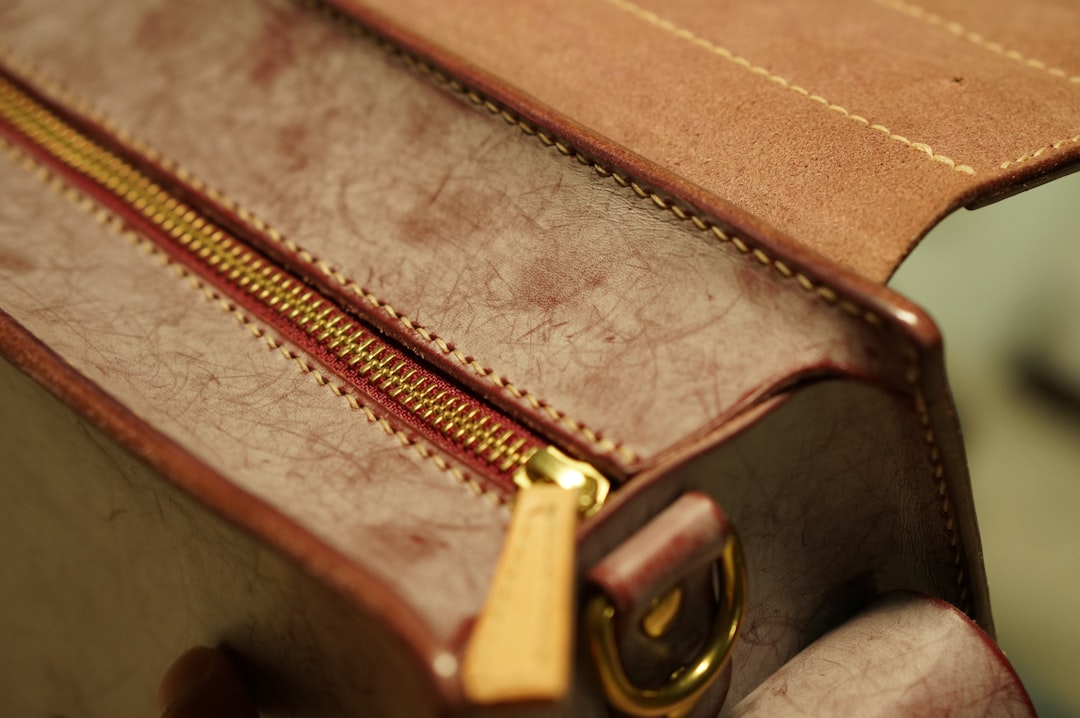
Last month, I almost bought a "Chanel" bag for $800 that would have been the deal of the century – if it weren't completely fake. The seller had professional photos, a convincing story about needing quick cash, and even provided what looked like authentic dust bags. Thankfully, I've learned some hard lessons about authenticating designer pieces that saved me from this costly mistake.
I've been buying secondhand designer items for over six years now, and I estimate I've saved around $15,000 compared to retail prices. But I've also been burned twice by convincing fakes that cost me $450 in total. Those expensive lessons taught me everything I'm about to share with you.
The Real Cost of Getting It Wrong
Before we dive into authentication tips, let's talk about why this matters. The global counterfeit fashion market is worth over $450 billion annually, and the fakes are getting scary good. I've seen fake Birkin bags selling for $3,000 that would fool casual observers. When you're spending hundreds or thousands on what you think is a designer piece, the stakes are real.
Here's what I've learned: authentication isn't just about avoiding fakes – it's about confidently buying authentic pieces at 40-70% below retail. When you know how to spot the real deal, you can move fast on legitimate opportunities.
Building Your Authentication Toolkit
Every serious secondhand designer shopper needs these tools. I keep them all in a small bag that I bring to estate sales and consignment shops:
- Magnifying glass or jeweler's loupe – Essential for examining stitching and hardware details
- Small flashlight or phone flashlight – Helps you see details in dim lighting
- Measuring tape – Many fakes are slightly off in dimensions
- Authentication apps – Entrupy, Authenticate First, or Legit Check are worth the cost
- Reference photos – I keep saved photos of authentic pieces on my phone
Professional authentication services typically cost $10-50, which is absolutely worth it for purchases over $500. I use these services even when I'm 90% confident a piece is authentic – that extra peace of mind is invaluable.
The Serial Number System That Actually Works
Every major luxury brand has specific serial number formats and placement rules. Here's what I've learned about the most commonly counterfeited brands:
Louis Vuitton: Date codes follow specific formats. For example, pieces made after 2007 start with two letters (indicating factory location) followed by four numbers (week and year). The code "VI1017" means made in France, week 10 of 2017. Fakes often have nonsensical combinations or wrong placements.
Chanel: Authentic bags have serial stickers with matching authenticity cards. The font, spacing, and hologram patterns are incredibly consistent. I once spotted a fake because the serial number font looked slightly "off" – turns out the kerning between numbers was wrong.
Hermès: Uses date stamps with specific letter codes for each year. The stamp should match the style and production timeline of the bag. A "Y" stamp (2020) on a style discontinued in 2018 is an obvious red flag.
Pro tip: Never buy a designer bag if the seller won't provide clear photos of serial numbers and interior stamps. Legitimate sellers know these details matter and will happily provide them.
Hardware and Stitching: Where Fakes Usually Fail
This is where my magnifying glass becomes essential. Authentic luxury pieces have incredibly consistent hardware and stitching that's difficult to replicate perfectly.
Stitching tells the story: Count stitches per inch – luxury brands maintain exact specifications. Louis Vuitton uses exactly 5 stitches per inch on their canvas pieces. The thread should match perfectly, and there should be no loose threads, uneven spacing, or missed stitches.
Hardware quality matters: Authentic pieces use heavy, high-quality metals. Zippers should feel substantial and move smoothly. I've noticed fake YSL bags often have lightweight, hollow-feeling turn-lock hardware compared to the solid weight of authentic pieces.
Engravings and stamps: Use your magnifying glass to examine any brand stamps or engravings. Authentic pieces have crisp, deep impressions. Fakes often have shallow, blurry, or misaligned text.
Leather Quality Assessment
After handling hundreds of authentic and fake pieces, I can often identify quality issues by touch alone. Here's what to look for:
- Grain consistency: Authentic leather has natural, consistent grain patterns. Fake leather often feels plastic-y or has artificially uniform textures.
- Smell test: Real leather has a distinct, pleasant smell. Chemical odors or overly strong "leather" scents often indicate fake materials.
- Edge finishing: Luxury brands invest heavily in edge painting and finishing. Rough, uneven, or cracking edges suggest poor craftsmanship.
- Aging patterns: Authentic leather develops natural patina over time. Fake aging often looks artificial or applied unevenly.
Where to Shop with Confidence
Location matters enormously when buying secondhand designer pieces. I've had my best luck at:
High-end consignment stores: Established stores stake their reputation on authenticity. Places like The RealReal, Fashionphile, and local upscale consignments often have return policies if authenticity is questioned.
Estate sales in affluent areas: I've found incredible deals at estate sales, including a authentic Hermès Kelly bag for $1,200 (retail: $8,000). The family didn't realize what they had.
Professional auction houses: While prices can be higher, the authentication is typically rock-solid.
Avoid like the plague: Social media marketplace posts with stock photos, sellers who won't meet in person, and any deal that seems impossibly good. I once saw a "Birkin" being sold for $500 – even heavily damaged authentic Birkins sell for $3,000+.
Red Flags That Scream "Fake"
Trust your instincts, but also watch for these specific warning signs:
- Seller can't provide purchase receipts or provenance
- Price is more than 80% below current market value
- Multiple designer pieces from different brands (unless it's an estate sale)
- Seller pressure to buy immediately without examination time
- Poor quality photos that hide important details
- Authenticity cards that look photocopied or reprinted
- Dust bags with incorrect fonts, colors, or fabric quality
Building Relationships with Sellers
Some of my best deals have come from building relationships with consignment store owners and estate sale companies. When they know you're a serious buyer who understands authentication, they'll often call you first when exceptional pieces arrive.
I've also found that being honest about authentication concerns actually builds trust. When I point out potential issues or ask detailed questions, legitimate sellers appreciate the expertise and often offer additional documentation or guarantees.
The Economics of Professional Authentication
For purchases over $1,000, I always invest in professional authentication, even if I'm confident the piece is real. Here's my cost-benefit analysis:
- Authentication service: $25-75
- Peace of mind: Priceless
- Resale confidence: Adds 10-20% to future resale value
- Insurance coverage: Many policies require professional authentication for high-value claims
I once spent $50 to authenticate a Chanel bag I bought for $1,800. The authentication revealed it was 100% authentic, and I later sold it for $2,400. That $50 investment protected my $1,800 and enabled a profitable resale.
Your Action Plan for Safe Designer Shopping
Start small with pieces under $500 to practice your authentication skills. Build relationships with reputable sellers, invest in basic tools, and never rush a purchase. Remember: the goal isn't just avoiding fakes – it's confidently buying authentic pieces at amazing prices. With practice, you'll develop the expertise to spot deals that others miss while avoiding costly mistakes.