Deal
Deal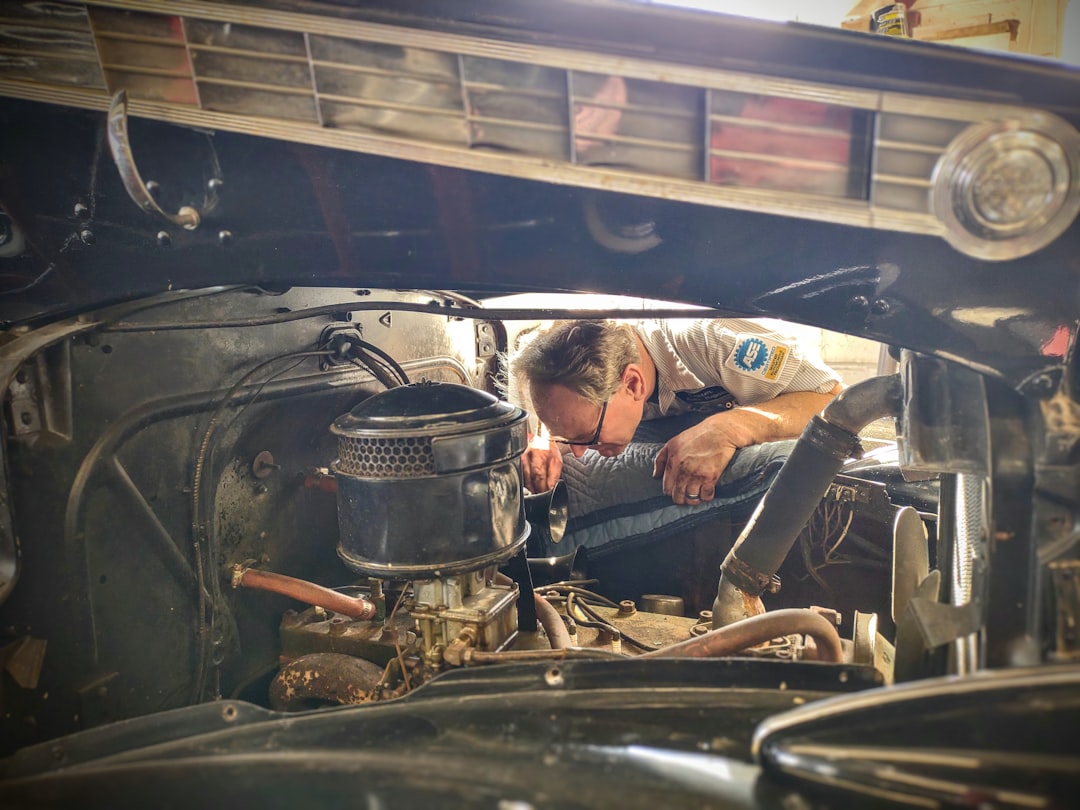
Last year, I almost made the biggest financial mistake of my car-buying life. I was standing in a used car lot, checkbook in hand, ready to buy what looked like the perfect Honda Civic. Clean exterior, smooth test drive, reasonable price at $14,500. Thank goodness my uncle (a retired mechanic) called me right before I signed the papers.
"Did you get an inspection?" he asked. I hadn't. "Don't sign anything until you do."
That $175 pre-purchase inspection revealed $4,200 worth of hidden problems: a cracked engine block that would need replacement within 6 months, worn brake pads, and a transmission leak the dealer had cleverly masked. I walked away from that "deal" and found my current car two weeks later – one that's been running perfectly for over a year.
Here's everything I learned about pre-purchase inspections and how this small investment can save you thousands.
Why Most People Skip Inspections (And Why That's Expensive)
I get it. You're excited about the car, the dealer is pressuring you to decide quickly, and spending another $150-$250 feels like just one more expense. Plus, many buyers think a test drive and visual inspection are enough.
The reality? Test drives only reveal about 30% of potential problems. You can't hear internal engine issues over the radio, and you definitely can't spot a slowly developing transmission problem during a 15-minute drive around the block.
According to AAA, the average used car buyer who skips an inspection faces unexpected repairs totaling $1,800 within the first year. Meanwhile, those who get inspections either avoid problematic cars entirely or negotiate repairs into the purchase price.
A pre-purchase inspection typically costs $150-$300 but can save you $2,000-$8,000 in surprise repairs. It's the best insurance policy you can buy when car shopping.
What a Real Inspection Actually Covers
When I finally got my inspection done right, I was amazed at how thorough it was. Here's what a proper pre-purchase inspection includes:
Engine and Transmission Deep Dive
- Compression test to check engine health
- Oil analysis for metal particles or contamination
- Transmission fluid condition and leak detection
- Cooling system pressure test
- Belt and hose inspection for wear
Safety Systems Check
- Brake pad thickness and rotor condition
- Tire tread depth and wear patterns
- Suspension component inspection
- Steering system evaluation
- Light and electrical system testing
Body and Frame Assessment
- Accident damage detection
- Rust and corrosion inspection
- Paint quality analysis (indicates previous repairs)
- Frame alignment check
- Door, window, and trunk operation
The mechanic who inspected my current car spent 90 minutes going through everything with a fine-tooth comb. He even used a paint thickness gauge to check for bodywork – something I never would have thought to do.
How to Find the Right Inspector
Not all inspections are created equal. Here's how to find someone who'll actually protect your investment:
Look for ASE Certification
ASE (Automotive Service Excellence) certified mechanics have proven expertise. When I called around, I specifically asked about certifications. The shop I chose had three ASE-certified mechanics and specialized in pre-purchase inspections.
Choose Independence Over Convenience
Never use a shop recommended by the dealer selling the car. I know it seems convenient, but you want completely unbiased results. Find your own inspector, preferably one who specializes in your target car's make.
Ask About Their Process
A good inspector will:
- Provide a written report with photos
- Explain findings in plain English
- Give repair cost estimates
- Offer a warranty on their inspection
- Allow you to be present during the inspection
The inspector I used sent me a 12-page report with photos showing exactly what he found. It was incredibly detailed and helped me negotiate $800 off the asking price for minor issues.
Red Flags That Should Make You Run
During my car shopping adventure, I learned to spot several warning signs that indicate serious problems:
Engine Red Flags
- Metal shavings in the oil
- Excessive exhaust smoke (blue, white, or black)
- Unusual noises when revving
- Poor compression test results
- Coolant in the oil or vice versa
Transmission Warning Signs
- Delayed shifting or hard shifts
- Burnt-smelling transmission fluid
- Fluid leaks under the car
- Grinding noises in gear
- Slipping between gears
Accident/Damage Indicators
- Mismatched paint colors
- Uneven panel gaps
- Rust in unusual places
- Welding marks on the frame
- Airbag warning lights
That first Honda I almost bought had three of these red flags – I just didn't know what to look for at the time.
The Smart Negotiation Strategy
Here's where the inspection really pays off. When issues are found, you have three options:
Option 1: Walk Away
For major problems (engine, transmission, frame damage), walking away is often smartest. I walked away from two cars during my search because the repair costs would have exceeded the car's value.
Option 2: Negotiate the Price
For minor to moderate issues, use repair estimates to negotiate. I got $800 off my current car's price because the inspection found worn brake pads ($300 fix) and a small oil leak ($500 repair).
Option 3: Demand Repairs
Sometimes you can get the seller to fix issues before sale. This works best with dealers who have service departments.
Timing Your Inspection Like a Pro
Timing matters more than you might think. Here's my strategy:
Best Times to Inspect
- Weekday mornings when shops are less busy
- After you've test driven and are seriously interested
- Before you've made any deposits or commitments
- When the car is cold (reveals more potential issues)
Don't Inspect When
- You're not serious about buying
- The seller seems unwilling or evasive
- You're under time pressure to decide immediately
- The car has obvious major damage
I made the mistake of rushing my first inspection because the dealer said they had another buyer coming that afternoon. Never let anyone pressure you into skipping due diligence.
What About Certified Pre-Owned Cars?
Even CPO vehicles benefit from independent inspection. Manufacturer inspections focus on different things than a pre-purchase inspection. They're checking that everything meets their standards, not necessarily flagging upcoming maintenance needs.
My friend bought a CPO BMW that passed the dealer's 150-point inspection but still needed $1,400 in repairs within three months – repairs an independent inspector would have caught.
The Bottom Line
A pre-purchase inspection is the smartest $200 you'll spend when buying a used car. It's saved me thousands in repairs, given me negotiating power, and provided peace of mind. Don't let excitement, time pressure, or dealer tactics convince you to skip this crucial step. Your wallet will thank you, and you'll sleep better knowing exactly what you're buying. Remember: if a seller won't allow an inspection, that tells you everything you need to know about the car's condition.