Deal
Deal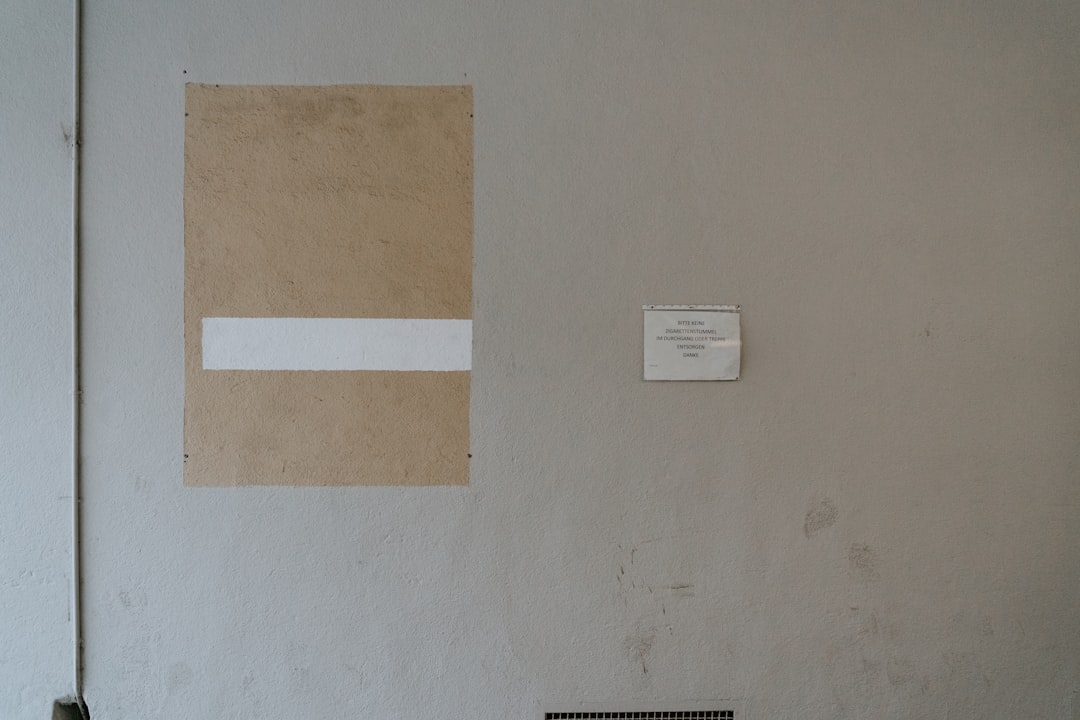
I learned this lesson the hard way when I painted my entire living room what I thought was a "soothing sage green." After three coats and $340 in paint, my walls looked like hospital scrubs under my warm evening lights. That expensive mistake taught me the golden rule of home painting: never skip the sample stage, no matter how confident you feel about a color.
Here's the truth about paint colors that most people don't realize until it's too late: that perfect shade you fell in love with at the store can look completely different in your actual space. Lighting, surrounding colors, and even the time of day can transform your dream color into a nightmare. But here's the good news – spending $5-15 on samples can literally save you thousands in repainting costs.
The Real Cost of Paint Color Mistakes
Before we dive into smart sampling strategies, let's talk about what's really at stake. When I surveyed friends and family about their painting regrets, the numbers were shocking. The average cost of fixing a paint color mistake in a standard bedroom was $280. For larger spaces like living rooms or open concepts, that number jumped to $450-600.
My neighbor Sarah learned this when she painted her kitchen "Butter Yellow" without testing. Under her cool LED lights, it turned an unflattering green-yellow that made everyone look sick. She ended up repainting with a warmer white, spending an additional $380 plus another weekend of work.
But the financial cost isn't everything. There's the time factor – most people underestimate how long painting takes. Between prep work, multiple coats, and cleanup, you're looking at 2-3 full days for an average room. When you have to do it twice, that's a full week of your life you're not getting back.
The $5 Sample Strategy That Actually Works
Most people grab a few paint chips from the hardware store and think they're done. Those tiny squares are practically useless for making real decisions. Here's my proven system that's saved me from multiple painting disasters:
Get the real samples: Spend $3-5 per color on actual paint samples – the small containers of real paint, not just paper chips. Yes, it costs more upfront, but we're talking about potentially saving hundreds here.
Paint large squares: I paint 2x2 foot squares directly on the wall in different areas of the room. This gives you a true sense of how the color will look at scale. Those tiny paint chips can't show you how a color will feel when it's covering 400 square feet of wall space.
Test in multiple locations: Paint your samples on walls that get different types of light throughout the day. I learned this after choosing a blue-gray that looked perfect on my north-facing wall but turned purple on the south side where afternoon sun hit it.
Pro tip: Take photos of your sample squares at different times of day and in different lighting conditions. Colors that look great in natural morning light might look terrible under your evening lamps. I keep a photo album on my phone for every room I'm considering painting.
The Lighting Test That Prevents Disasters
This is where most people go wrong, and it's the mistake that cost me that $340 sage green disaster. You absolutely must test your colors under all the lighting conditions in your space. Here's my systematic approach:
Morning natural light: Check your samples between 8-10 AM when you're getting soft, natural light without harsh shadows.
Afternoon sun: If your room gets direct afternoon light, see how your colors look between 2-4 PM. Some colors completely transform under bright, warm light.
Evening artificial light: This is crucial – most of us spend our evening hours at home under artificial lighting. Turn on all your usual lamps and overhead lights to see the real story.
Night lighting: How do your colors look under just a few accent lights or when you're watching TV? You'd be surprised how different things can appear.
I now leave sample squares up for at least a full week, checking them multiple times per day. It sounds obsessive, but it's saved me from three potential repainting projects in the last two years.
Smart Color Testing for Different Room Types
Not all rooms are created equal when it comes to color testing. I've learned to adjust my sampling strategy based on how each space is used:
Bedrooms: Test colors primarily under evening light since that's when you're most likely to notice them. But don't skip morning light testing – you don't want to wake up feeling like you're in a cave.
Kitchens: These need the most comprehensive testing since they're used throughout the day and have multiple light sources. Test under your task lighting, pendant lights, and natural light from windows.
Bathrooms: The combination of artificial lighting and mirrors creates unique challenges. I always test bathroom colors under the specific light bulbs I plan to use – warm vs. cool light can make or break a bathroom color scheme.
Living areas: Since these spaces transition from day to evening use, test extensively under both natural and artificial light. Pay special attention to how colors look during your peak usage hours.
The Undertone Trap (And How to Avoid It)
Here's something I wish someone had told me years ago: every paint color has undertones, and they're sneaky. That "neutral beige" might have pink undertones that clash horribly with your cool-toned furniture. The "pure white" could have yellow undertones that make your trim look dirty.
I learned about undertones when I painted my daughter's room what appeared to be a soft lavender. Under our warm incandescent bulbs, those blue undertones turned the room an unflattering gray-purple that made it feel cold and unwelcoming.
To spot undertones, compare your sample to a true neutral white. The undertones become much more obvious when you see them side by side. I keep a small square of pure white paint specifically for this comparison test.
Money-Saving Sample Hacks
While paint samples are cheap compared to full gallons, costs can add up if you're testing multiple rooms. Here are my favorite ways to sample smart without breaking the bank:
- Share samples with friends: If your neighbor is also considering similar colors, split the cost of samples and test them in both spaces.
- Use leftover samples: Save leftover sample paint for touch-ups on trim or small projects. I use mine for painting picture frames and small crafts.
- Time your shopping: Many paint stores offer promotional periods with discounted or free samples. I've gotten free samples during grand openings and seasonal sales.
- Consider digital tools first: While not a replacement for real samples, apps like ColorSnap or Sherwin Williams' ColorSnap Visualizer can help you narrow down choices before buying physical samples.
Some paint stores also offer larger sample sizes for just a few dollars more. The quart-size samples cost around $8-12 but give you enough paint to test multiple walls and save some for future touch-ups.
When to Trust Your Samples (And When Not To)
After years of sampling, I've learned to recognize when my tests are reliable and when I need to dig deeper. Trust your samples when:
- The color looks consistent across different walls and lighting conditions
- You've lived with the samples for at least a week
- The color complements your existing furniture and decor in all lighting
- You feel excited about the color, not just "okay" with it
But be cautious when your samples show dramatic shifts between lighting conditions, or when you find yourself making excuses for how the color looks in certain situations. If you're not loving it at the sample stage, you definitely won't love it covering your entire wall.
Remember: if you're on the fence about a color at the sample stage, it's not the right color. When you find the right shade, you'll know it immediately under all lighting conditions.
Beyond Color: Testing Finish and Sheen
Don't forget that paint finish affects how color appears. A flat finish will look different than the same color in eggshell or satin. If you're unsure about finish, get samples in different sheens of your chosen color.
I learned this when painting my dining room. The color looked perfect in flat finish, but I needed washable walls because of kids. When I switched to eggshell finish, the slight sheen made the color appear lighter and changed the whole feel of the room.
Higher sheens reflect more light and can make colors appear brighter or more intense. Flat finishes absorb light and can make the same color appear deeper and more muted. Factor this into your testing, especially if you're choosing between finish options.
Key Takeaway
Spending $5-15 on proper paint samples isn't just smart – it's essential home improvement insurance. Test large squares in multiple locations, observe them under all your lighting conditions for at least a week, and never skip this step no matter how confident you feel about a color. Those small sample containers can save you hundreds in repainting costs and spare you the heartbreak of living with a color mistake. Trust me, your future self will thank you for taking the time to test properly.