Deal
Deal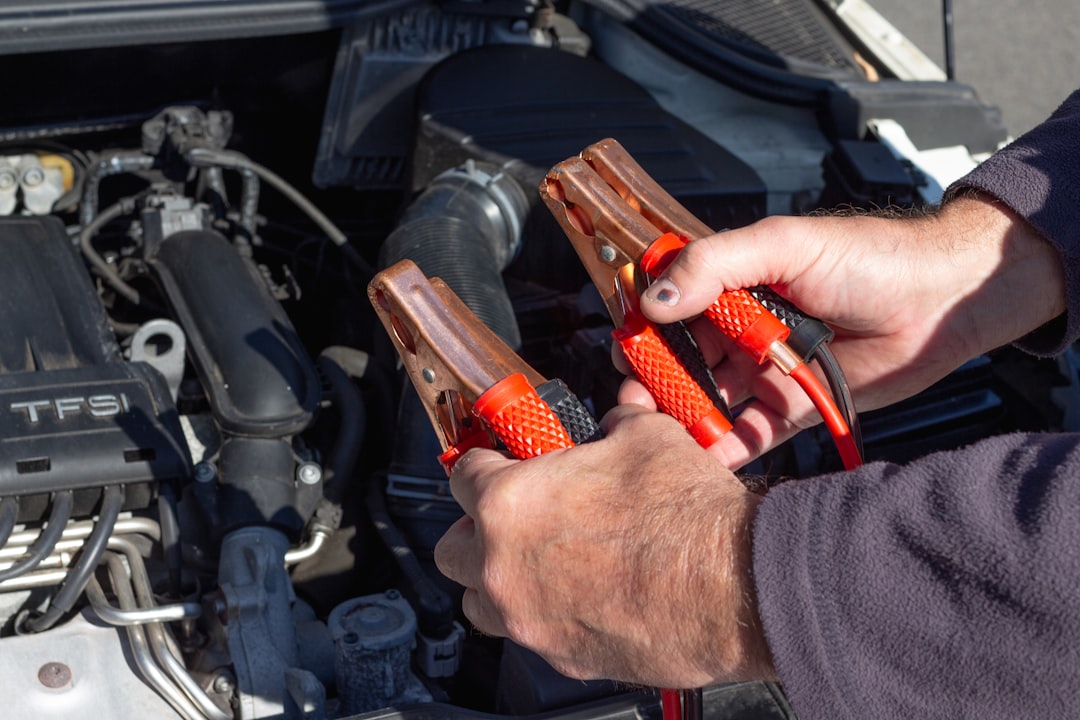
Picture this: It's 6:30 AM, you're running late for work, and your car won't start. Just last month, this exact scenario cost my neighbor Sarah $150 for a tow truck and emergency jump start that took two hours to arrive. Meanwhile, I spent $30 on a portable jump starter three years ago and haven't looked back since.
Dead car batteries are like surprise pop quizzes – they always happen at the worst possible moment. But here's the thing: knowing when you can handle it yourself versus when to call the pros can save you hundreds of dollars annually and hours of frustration.
The Real Cost of Car Battery Emergencies
Let me break down what most people don't realize about battery-related costs. The average American deals with a dead battery emergency 1.2 times per year, according to AAA data. Here's what that typically costs:
- AAA roadside assistance: $69-$124 per incident (if you're not a member)
- Tow truck service: $75-$200 depending on distance and time
- Mobile mechanic jump start: $50-$100
- Uber/taxi while waiting: $20-$60
- Lost wages from being late: $50-$200
That's potentially $400+ per incident. Compare that to a one-time investment of $30-$80 for a portable jump starter, and the math becomes pretty clear.
When DIY Jump Starting Makes Financial Sense
I learned this lesson the hard way during a camping trip in Colorado. We were 30 miles from the nearest town when my friend's truck wouldn't start after a cold night. Cell service was spotty, and a tow would've cost $300+ just to reach civilization. Thankfully, I had my portable jump starter, and we were back on the road in five minutes.
Here are the situations where DIY jump starting is your best bet:
- At home or familiar locations: You have time and space to work safely
- Mild weather conditions: Not dealing with extreme heat, cold, or precipitation
- Simple dead battery: Lights were left on, or the car has been sitting unused
- Access to another vehicle or portable starter: You have the right equipment available
- Basic automotive comfort: You know where the hood release is and can identify the battery
Pro tip: Always keep your portable jump starter charged and check it monthly. I set a phone reminder for the 15th of every month – same day I check my tire pressure. This simple habit has saved me from being stranded countless times.
Essential Equipment for DIY Jump Starting
After testing dozens of options over the years, here's what actually works without breaking the bank:
Portable Jump Starters ($30-$80)
These are game-changers. I currently use the NOCO Boost Plus GB40 ($99), but honestly, the Avapow 6000A ($35 on sale) has worked just as well for my wife's sedan. Look for:
- At least 400-600 peak amps for most cars
- Built-in safety features (reverse polarity protection)
- USB charging ports (bonus for phone emergencies)
- Compact size that fits in your glove compartment
Traditional Jumper Cables ($15-$40)
Still useful as backup or when helping others. Get 12-foot cables minimum with 4-gauge wire thickness. I keep a set in each of our cars because neighbors always seem to need help.
Safety Gear ($10-$20)
- Work gloves (battery acid protection)
- Safety glasses
- Small flashlight or headlamp
Step-by-Step DIY Jump Start Process
I've walked dozens of friends and family through this process. Here's the foolproof method that works every time:
Before You Start:
- Ensure both vehicles are turned off
- Engage parking brakes
- Put on safety gear
- Locate both batteries and identify positive/negative terminals
Connection Order (Critical!):
- Red cable to dead battery positive terminal
- Other red end to working battery positive terminal
- Black cable to working battery negative terminal
- Final black end to unpainted metal surface in dead car's engine (NOT the negative terminal)
Jump Process:
- Start the working vehicle and let it run for 2-3 minutes
- Attempt to start the dead vehicle
- If it doesn't start, wait 5 minutes and try again
- Remove cables in reverse order once successful
When to Call the Professionals Instead
Last winter, my brother-in-law called me about his car not starting. After 20 minutes of troubleshooting over the phone, I told him to call a professional. Why? His battery terminals were corroded, it was -15°F, and he was in a busy parking lot with no room to maneuver safely.
Call for professional help when:
- Safety concerns: Busy traffic, extreme weather, or unsafe location
- Battery damage: Visible cracks, leaks, or severe corrosion
- Repeated failures: Battery dies frequently or won't hold a charge
- Complex electrical issues: Dashboard warning lights or unusual symptoms
- Time constraints: You're dressed for an important meeting or have zero automotive experience
Professional Service Costs Breakdown:
- AAA membership: $56-$119 annually (usually worth it if you use it twice)
- Roadside assistance through insurance: Often $15-$30 per year add-on
- Pay-per-use services: $75-$150 per incident
Money-Saving Strategies for Battery Maintenance
The best jump start is the one you never need. Here's how I've extended battery life and avoided emergencies:
Preventive Maintenance ($20-$40 annually):
- Clean terminals every 6 months with baking soda solution
- Apply terminal protector spray ($8)
- Test battery voltage monthly with a $15 multimeter
- Drive the car weekly if it sits unused
Smart Replacement Timing:
Don't wait for complete failure. I replace batteries proactively after 3-4 years, buying them during fall sales when auto parts stores clear inventory. Last year, I got a $120 battery for $75 at AutoZone's October promotion.
Cost-Saving Battery Tips:
- Buy during off-season sales (fall/early winter)
- Check warehouse stores like Costco for quality batteries at lower prices
- Ask about core charge refunds when replacing
- Consider refurbished batteries for older vehicles
Building Your Car Emergency Fund
Here's something most people don't think about: every car repair you avoid or handle yourself should go into a dedicated emergency fund. When I started doing my own jump starts, oil changes, and basic maintenance, I was saving about $800 per year. That money now sits in a high-yield savings account earning 4.5% interest, ready for the major repairs I can't handle myself.
Set up automatic transfers of $50-$100 monthly into this fund. Trust me, when your transmission needs work or you need new tires, you'll be grateful for this habit.
Key Takeaway
Knowing when to jump start your car yourself versus calling professionals can save you $300-$500 annually. Invest $50-$100 in proper equipment and basic knowledge, but don't hesitate to call professionals when safety is a concern. The money you save on simple fixes should go toward building an emergency fund for the bigger repairs you can't avoid.