Deal
Deal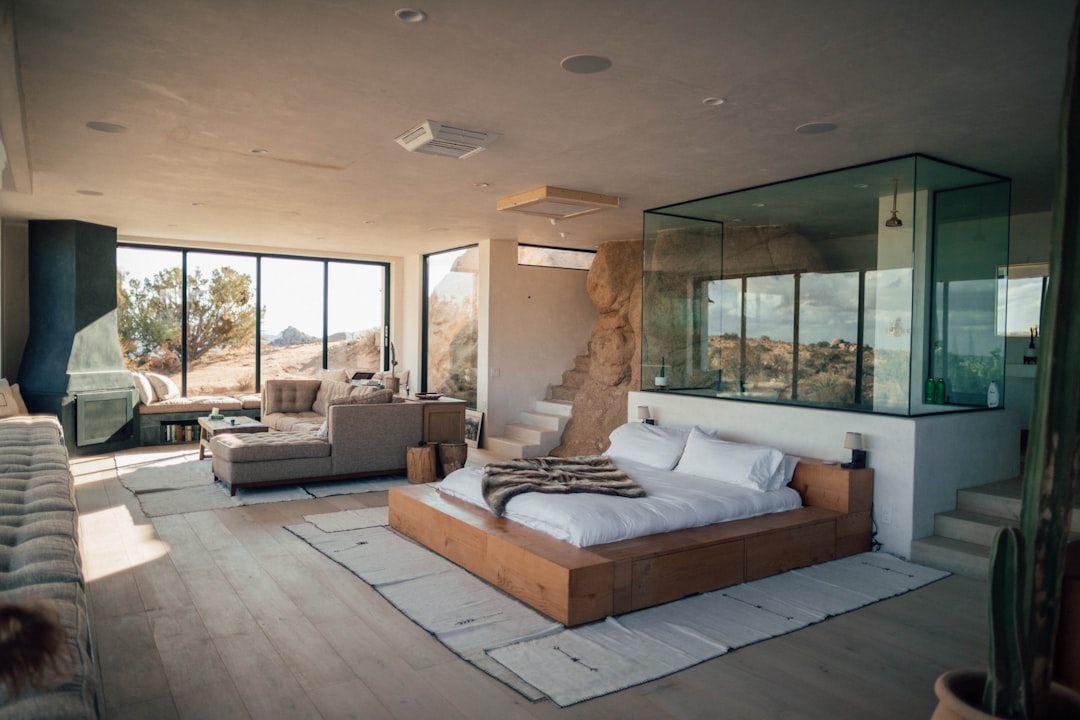
Last month in Vegas, I walked into the Bellagio expecting my basic king room and walked out with a 1,200-square-foot suite overlooking the fountains. The retail difference? $340 per night. My cost? Absolutely nothing except knowing exactly what to say and when to say it.
After 15 years of business travel and countless hotel stays, I've cracked the code on free room upgrades. I'm talking about real upgrades here – not just moving from the second floor to the fourth. I mean genuine suite upgrades, corner rooms with killer views, and amenities that would normally cost hundreds extra per night.
The best part? These strategies work about 70% of the time when executed properly. Here's everything I've learned about getting hotels to roll out the red carpet without paying premium prices.
The Psychology Behind Hotel Upgrades
Before diving into tactics, you need to understand why hotels give away free upgrades in the first place. It's not generosity – it's smart business.
Hotels operate on inventory management principles. On any given night, they might have 15 standard rooms booked but only 8 people actually check in to those rooms. Meanwhile, their premium suites might be sitting empty. Rather than lose that revenue entirely, they'd rather move someone up and create a loyal customer who'll book directly next time and recommend the property to others.
Sarah, a front desk manager at a major chain in Chicago, told me during a delayed flight conversation: "We're taught to look for reasons to upgrade people, not reasons to deny them. A happy guest in a suite they didn't pay for is worth more to us than an empty suite."
Timing Is Everything: When to Ask
The magic happens during these specific windows:
- Late afternoon check-in (4-6 PM): This is when hotels know exactly what inventory they have available. Too early and they're still uncertain about no-shows. Too late and the good rooms are gone.
- Sunday through Wednesday: Business travel drops dramatically these days, leaving premium business-oriented rooms empty.
- During local events you're NOT attending: If there's a huge conference in town but you're just a leisure traveler, hotels often have better rooms available since conference attendees typically book standard accommodations in blocks.
I learned this timing trick the hard way during a trip to Austin during SXSW. I assumed the festival would make upgrades impossible, but because I wasn't part of any conference group booking, the hotel had premium rooms they couldn't fill at standard conference rates.
The sweet spot for upgrade requests is Sunday through Wednesday between 4-6 PM, when hotels have clear inventory visibility and business travel demand is lowest.
The Perfect Upgrade Request Script
Forget generic "do you have any upgrades available?" questions. Here's the exact approach that works:
Step 1: The Soft Open
"Hi! I'm checking in under [Your Name]. I'm really excited to be here – I've heard amazing things about this property."
Step 2: The Context Drop
"This is actually a special trip for us [mention anniversary, birthday, celebration, or just 'rare getaway']. We don't get to travel much, so we really wanted to make this one memorable."
Step 3: The Gentle Ask
"I know this might not be possible, but if you happen to have any room upgrades available, we'd be incredibly grateful. We're definitely planning to enjoy [specific hotel amenity – pool, restaurant, spa] while we're here."
Step 4: The Gracious Close
"No worries at all if not – we're just happy to be here!"
This script works because it's friendly, provides a reason, makes you memorable, shows you'll spend money at the property, and removes pressure from the staff member.
Secret Weapons: What Really Gets You Upgraded
Hotel Loyalty Status (Even Basic Levels)
Join the hotel's loyalty program before booking, even if it's your first stay. Basic members get upgrade priority over non-members. I've seen people get upgraded simply because they had a membership number in the system.
Direct Booking Power
Hotels lose 15-25% in commission when you book through third-party sites. When you book directly, they save that money and are much more willing to show appreciation through upgrades. I book directly about 90% of the time now and have noticed a dramatic difference in treatment.
The Birthday/Anniversary Card
This isn't about lying – but if you're traveling within a month of any special occasion, mention it. Hotels have budget line items for "guest satisfaction" initiatives, and celebrations are perfect justifications for upgrades.
Dress the Part
I'm not saying wear a three-piece suit, but looking like you belong in a nicer room helps. Business casual is the sweet spot. I once watched someone in designer clothes get upgraded immediately while someone in gym clothes with the exact same request got denied.
Advanced Strategies for Frequent Travelers
The Early Email Technique
Two days before arrival, email the hotel directly (not the reservations center). Say you're excited about your upcoming stay and ask if any complimentary upgrades might be available. About 40% of the time, they'll pre-upgrade you or make notes in your reservation to prioritize you at check-in.
Social Media Soft Mentions
Don't be pushy, but if you have a decent social following, mentioning your excitement about staying at the property on social media (and tagging them) can work wonders. Hotels monitor social mentions and often reach out proactively.
The Return Guest Advantage
Even if you've only stayed once before, mention it. "I stayed here two years ago and loved it – that's why I'm back." Return guests cost nothing to acquire, so hotels value them highly.
What NOT to Do (Mistakes That Kill Your Chances)
- Don't demand or expect anything: Entitlement kills upgrades faster than anything else.
- Don't mention you booked through a third party: If you did book through Expedia or Hotels.com, just don't bring it up.
- Don't ask multiple staff members: Word gets around, and you'll look desperate.
- Don't lie about special occasions: They sometimes ask for ID to verify birthdays, and getting caught lying kills all credibility.
- Don't offer money: This puts staff in an awkward position and can actually work against you.
International Hotels: Cultural Considerations
Upgrade strategies vary significantly by country. In Japan, direct requests can be seen as pushy – instead, mention that it's your first time in the country and you're honored to stay at their property. In many European countries, mentioning you're celebrating something works better than in business-focused American hotels.
During a trip to Thailand, I learned that bringing a small gift (nothing expensive – just something representing your home city) for the front desk staff is appreciated and often results in better treatment throughout your stay.
Measuring Your Success
Track your upgrade success rate. I keep a simple note on my phone: property name, date, strategy used, and outcome. This helps me refine what works where.
My current success rate is about 68% for meaningful upgrades (better view, larger room, or higher floor) and about 23% for true suite upgrades. Your mileage may vary, but tracking helps you improve.
The financial impact is real. Last year, I calculated that free upgrades saved me approximately $1,847 in room fees I would have paid otherwise. That's money that went toward better dinners, activities, and experiences instead.
Key Takeaway
Free hotel room upgrades aren't about luck – they're about understanding hotel economics, timing your requests correctly, and approaching staff professionally. Use the proven script, dress appropriately, book directly when possible, and be genuinely gracious whether you get upgraded or not. Master these techniques and you'll enjoy luxury accommodations at standard room prices about 70% of the time.