Deal
Deal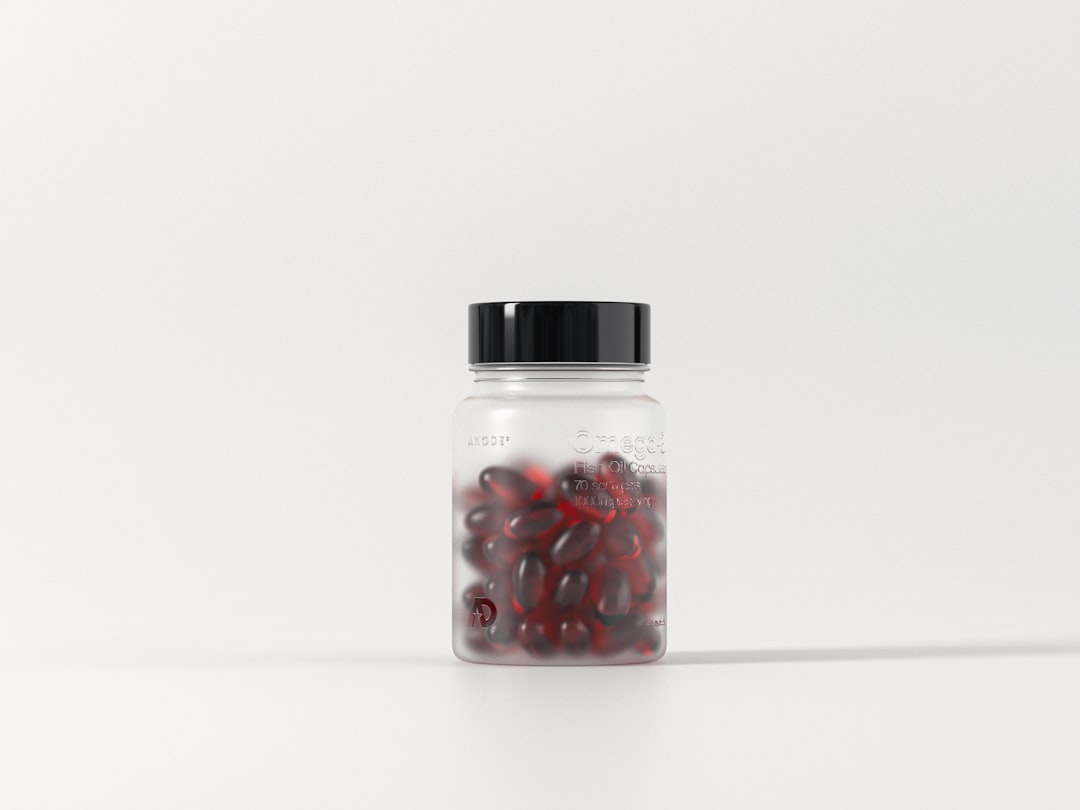
The $600 Wake-Up Call That Changed My Vitamin Shopping Forever
Last January, I was organizing my medicine cabinet when I made a shocking discovery. Those little amber bottles had been quietly draining my wallet to the tune of $52 every month. That's $624 per year on vitamins and supplements! My daily routine included a multivitamin ($18/month), vitamin D ($12/month), omega-3 ($15/month), and magnesium ($7/month) - all brand names I'd been loyal to for years.
The real kicker? I was paying premium prices for what's essentially the same product available for 60-80% less. After three months of research and switching to generic equivalents, I'm now spending just $18 per month for the exact same nutritional benefits. Here's everything I learned about cracking the vitamin pricing code.
Why Generic Vitamins Are Identical to Brand Names (FDA Regulations Explained)
Here's what the vitamin industry doesn't want you to know: the FDA requires generic vitamins to contain the same active ingredients, in the same amounts, as their brand-name counterparts. This is called "bioequivalence," and it's not optional - it's the law.
I spoke with Dr. Sarah Chen, a pharmacist at CVS, who explained it perfectly: "Whether you buy Nature Made Vitamin D or the CVS generic version, both must contain 2000 IU of cholecalciferol per tablet. The manufacturing standards are identical because they're regulated by the same federal guidelines."
- Same active ingredient concentrations (regulated by FDA)
- Identical absorption rates in your body
- Same manufacturing quality standards
- Equal potency and effectiveness
The only differences? Packaging colors, marketing budgets, and price tags. That's it.
My Monthly Vitamin Cost Breakdown: Brand vs Generic
Let me show you the exact numbers from my own vitamin cabinet transformation:
Multivitamin:
- Centrum Adults (200 count): $18.99/month
- Kirkland Signature Daily Multi (500 count): $4.50/month
- Monthly savings: $14.49
Vitamin D3:
- Nature Made D3 2000 IU (250 count): $12.99/month
- Member's Mark D3 2000 IU (600 count): $2.75/month
- Monthly savings: $10.24
Omega-3 Fish Oil:
- Nordic Naturals Ultimate Omega (120 count): $24.99/month
- Costco Omega-3 Fish Oil (180 count): $5.99/month
- Monthly savings: $18.00
Magnesium:
- Doctor's Best Magnesium (240 tablets): $8.99/month
- Spring Valley Magnesium (250 tablets): $2.49/month
- Monthly savings: $6.50
Total monthly savings: $49.23
Annual savings: $590.76
Pro tip: The "per serving" cost is what matters, not the bottle price. A $30 bottle with 500 tablets beats a $15 bottle with 100 tablets every time.
The Best Places to Buy Generic Vitamins (Price Comparison)
After testing every major retailer, here are the consistent winners for vitamin deals:
1. Costco/Sam's Club (Biggest Savings)
Kirkland Signature and Member's Mark brands offer the best value per serving. Yes, you need a membership ($60-120/year), but you'll save that back in two months of vitamin purchases. Their bottles are massive - often 400-500 count instead of the typical 100-200 count elsewhere.
2. Amazon Subscribe & Save (Most Convenient)
Amazon's generic vitamins (Solimo brand) cost 30-50% less than name brands, plus you get an additional 5-15% off with Subscribe & Save. I set up quarterly deliveries and never think about running out.
3. Target Up&Up Brand (Best for Beginners)
Target's generic line offers smaller bottle sizes, perfect if you want to test generic vitamins without committing to a 500-count bottle. Their prices beat name brands by 40-60%.
4. Walmart Equate Brand (Emergency Backup)
When you're traveling or forgot to reorder, Walmart's prices are consistently 50-70% below name brands. Available everywhere.
Red Flags: When NOT to Buy Generic Vitamins
I learned this lesson the hard way with a sketchy online vitamin seller. Here's when to stick with established brands:
- Unknown online sellers: If you've never heard of the company, skip it
- Prices too good to be true: $5 for a year's supply screams quality issues
- No USP verification: Look for the USP (United States Pharmacopeia) seal
- Specialty formulations: Probiotics and complex herbal blends have more variables
- Prescription vitamins: If your doctor prescribed a specific brand, ask before switching
I once bought a suspicious bottle of vitamin C online for 80% off retail. The tablets crumbled into powder and had a weird chemical smell. Lesson learned: stick with recognized store brands.
Smart Shopping Strategies for Maximum Vitamin Savings
Timing Your Purchases:
January is vitamin season. Everyone's making health resolutions, so retailers slash prices on vitamins and supplements. I buy my entire year's supply during January clearance sales and save an additional 20-40%.
Bulk Buying Calculator:
Before buying that 500-count bottle, check the expiration date. Vitamins typically last 2-3 years, but do the math: 500 tablets ÷ 30 days = 16.6 months of supply. Make sure you'll use them in time.
Store Brand Rotation:
I rotate between Costco (quarterly stock-up), Amazon (auto-delivery), and Target (last-minute needs). Each has different sale cycles, so I never pay full price.
App-Based Savings:
- Honey browser extension finds automatic coupon codes
- Rakuten offers 1-4% cashback on vitamin purchases
- GoodRx works for some over-the-counter vitamins
- Store apps (Target Circle, CVS ExtraCare) provide exclusive vitamin deals
Reading Labels Like a Pro (What Actually Matters)
The vitamin aisle can be overwhelming, but focus on these key elements:
Active Ingredient Match: This is non-negotiable. If your brand name has "Cyanocobalamin 1000 mcg" (Vitamin B12), the generic must have identical wording and dosage.
USP Verified Seal: This little symbol means an independent lab verified the bottle contains what the label claims. It's your quality insurance.
Serving Size Tricks: Some brands make their prices look better by using different serving sizes. Always calculate cost per milligram of active ingredient.
Fillers and Additives: Generic vitamins often have different inactive ingredients (colors, binding agents), but these don't affect nutritional value. Unless you have specific allergies, ignore this section.
My 90-Day Generic Vitamin Experiment Results
I was skeptical, so I tracked everything for three months after switching to generics:
Blood work results: Identical vitamin D levels, B12 levels, and overall nutrient markers compared to my previous tests on brand names.
Energy levels: No difference in daily energy or cognitive function.
Digestive issues: None. I was worried about different fillers causing stomach problems, but everything felt exactly the same.
Cost savings: $147.69 over three months (on track for $590+ annually)
The conclusion? My body literally cannot tell the difference, but my bank account definitely can.
Key Takeaway
Switching to generic vitamins is the easiest $600 you'll save this year without changing your health routine. Start with one vitamin to test your comfort level, then gradually replace your entire supplement stack. Focus on established store brands from major retailers, verify USP certification, and time your purchases during January sales for maximum savings. Your body gets identical nutrition while your wallet stays significantly fuller.