Deal
Deal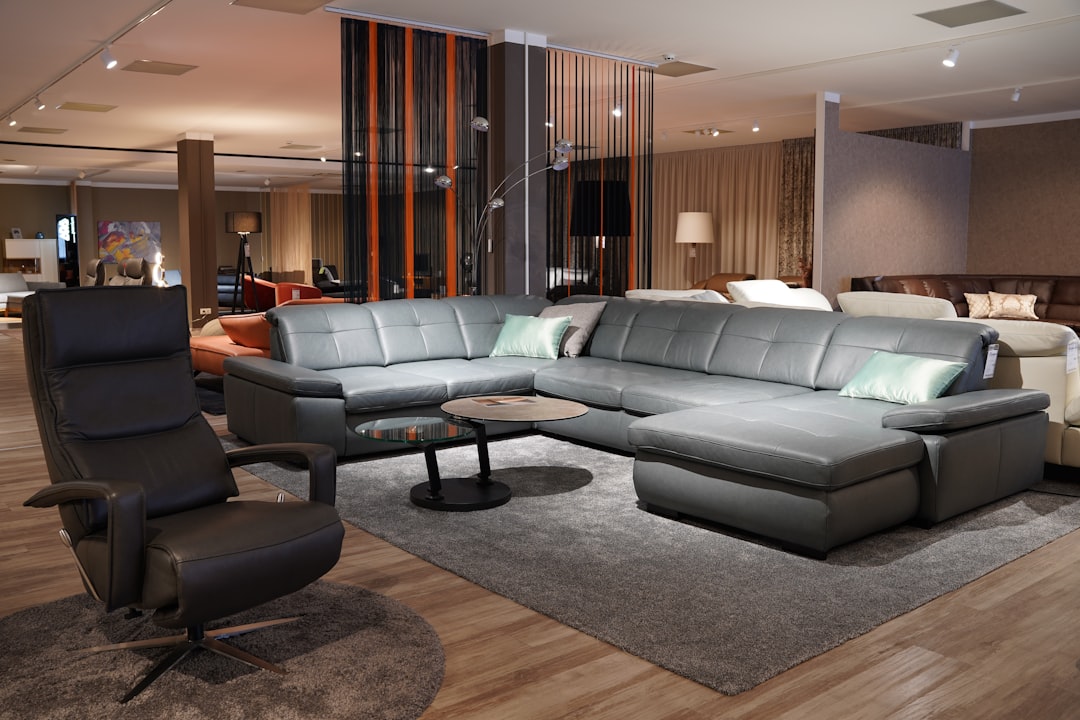
Last month, I walked into my local furniture store looking for a simple coffee table and walked out with a $1,200 sectional sofa for $350. No, I didn't rob the place – I just knew exactly where to look and when to strike. Welcome to the secret world of furniture end cap shopping, where the biggest deals hide in plain sight.
Most people walk right past these goldmines without even realizing what they're missing. But once you understand how furniture stores really work – and where they stash their best deals – you'll never pay full price for home decor again.
What Are Furniture End Caps and Why Do They Matter?
End caps are those displays positioned at the end of furniture store aisles or in transitional areas between sections. Unlike the carefully curated showroom displays, end caps serve as clearance zones where stores dump inventory they need to move fast.
Here's what most shoppers don't realize: furniture stores operate on razor-thin margins and massive inventory cycles. When new collections arrive (typically every 4-6 months), they need to clear out older stock immediately. That's where end caps come in.
I learned this the hard way after paying full price for a dining set in January, only to find the exact same pieces marked down 65% on an end cap in March. That $800 lesson taught me to always check these spots first.
The Science Behind End Cap Pricing
Furniture end cap pricing follows predictable patterns once you know what to look for. Stores typically mark down items in stages:
- Stage 1 (Weeks 1-2): 20-30% off original price
- Stage 2 (Weeks 3-4): 40-50% off original price
- Stage 3 (Week 5+): 60-75% off original price
The key is identifying which stage an item is in. Look for multiple price stickers – they're your roadmap to savings. If you see three different prices on a tag, that piece has been sitting for at least a month and is ripe for negotiation.
My friend Sarah scored a $2,800 bedroom set for $750 by waiting for Stage 3 pricing. She'd been tracking the set for six weeks, watching the price drop from $2,240 to $1,400, and finally to $750. Patience paid off big time.
Best Times to Hunt for End Cap Deals
Timing is everything in furniture end cap shopping. Based on three years of tracking deals across multiple stores, here are the golden windows:
Monthly Sweet Spots
Third week of every month: This is when most furniture stores do their monthly inventory assessments and mark down slow-moving pieces. I've found some of my best deals during this window.
Last week of the month: Sales staff are trying to hit monthly quotas and are more willing to negotiate on end cap pieces.
Seasonal Clearance Cycles
- Late February/Early March: Winter collections get cleared for spring arrivals
- Late May/Early June: Spring pieces make room for summer outdoor furniture
- Late August/Early September: Summer items get marked down as fall collections arrive
- Late November/Early December: Fall inventory clears for holiday and New Year collections
Last February, I hit the jackpot during the winter-to-spring transition. A local store had an entire end cap filled with coffee tables, side tables, and accent chairs – all marked 70% off. I bought three pieces for my living room renovation and spent $480 instead of the original $1,600.
Where to Find the Hidden End Caps
Not all end caps are created equal, and stores deliberately hide their best clearance deals. Here's your treasure map:
The Prime Real Estate
Back corners of showrooms: This is where stores stash their oldest inventory. These pieces often have the deepest discounts because they've been sitting the longest.
Transition zones between room displays: Look for furniture pieces that seem oddly placed between bedroom and living room sets – these are often clearance items.
Near the warehouse entrance: Many stores create impromptu end caps near their stockroom doors where they place items that are being phased out.
The Secret Basement Level
Many furniture stores have lower-level showrooms or warehouse spaces that most customers never see. Always ask if there's additional clearance inventory downstairs or in a separate building. I've found incredible deals in these forgotten spaces.
At one store, the sales associate mentioned they had a "warehouse showroom" in the basement with deeper discounts. I found a $900 bookshelf for $180 down there – it just had a tiny scratch on the back that would never be visible once placed against a wall.
Pro tip: Always ask sales staff about "floor model specials" or "warehouse clearance" items. Many stores have additional inventory in back rooms that isn't displayed on the main floor.
How to Negotiate End Cap Prices
End cap items are already discounted, but there's often room for additional savings. Here's my proven negotiation strategy:
The Inspection Method
First, thoroughly inspect any piece you're interested in. Look for:
- Minor scratches or scuffs
- Fabric imperfections or pulls
- Slightly loose hardware
- Any signs of showroom wear
These minor flaws become your negotiation ammunition. Even tiny imperfections can justify another 10-20% off the marked price.
The Bundle Strategy
If you're buying multiple pieces, always negotiate as a package deal. I saved an additional $200 on my living room furniture by bundling a couch, coffee table, and two end tables together.
Sales staff have more flexibility on total package prices than individual items. Plus, they'd rather make one big sale than risk losing multiple smaller ones.
The Timing Leverage
Use timing to your advantage. If you're shopping near the end of the month or quarter, mention that you're ready to buy today if the price is right. Sales quotas create urgency on the seller's side.
Red Flags to Avoid
Not every end cap deal is worth pursuing. Here are the warning signs I've learned to spot:
Multiple repairs needed: If a piece needs more than cosmetic touch-ups, the savings might not justify the hassle and additional costs.
Discontinued fabric or finish: If you love a particular piece but it gets damaged later, replacement cushions or matching pieces might be impossible to find.
No warranty or return policy: Some end cap sales are final sales with no recourse if you get home and realize the piece doesn't work.
Delivery fees that kill the deal: A $300 dresser isn't a deal if delivery costs another $200. Always factor in all additional costs.
Digital Age End Cap Hunting
Modern furniture shopping has moved partially online, but that doesn't mean end cap deals have disappeared – they've just evolved.
Many stores now have "clearance" sections on their websites, but the real deals are still in physical locations. Use online browsing to identify pieces you're interested in, then visit stores to check their end cap areas for similar items.
I use a smartphone app to track prices and take photos of end cap items I'm considering. This helps me compare deals across multiple stores and track price drops over time.
Some stores also send email alerts about clearance events. Sign up for newsletters from your favorite furniture retailers – they often announce end cap sales or warehouse clearance events to their email subscribers first.
Seasonal Strategy Deep Dive
Each season brings different opportunities for end cap furniture deals. Here's how to maximize your savings year-round:
Spring (March-May): Focus on indoor furniture as stores make room for outdoor pieces. I've found great deals on dining sets and bedroom furniture during this period.
Summer (June-August): Outdoor furniture from the previous season hits end caps, but indoor deals slow down. However, air conditioning costs make some shoppers delay purchases, creating opportunities for negotiation.
Fall (September-November): Back-to-school and pre-holiday shopping creates inventory turnover. Excellent time for home office furniture and accent pieces.
Winter (December-February): Post-holiday returns and exchanges create unique end cap opportunities. Plus, fewer shoppers mean more negotiating power.
Key Takeaway
Furniture end cap shopping isn't just about finding discounted items – it's about understanding retail cycles, timing your purchases strategically, and knowing how to negotiate effectively. With patience and the right approach, you can furnish your entire home for 50-70% less than retail prices. Start with one store, learn their patterns, and gradually expand your hunting grounds. Your wallet will thank you, and you'll never look at furniture shopping the same way again.