Deal
Deal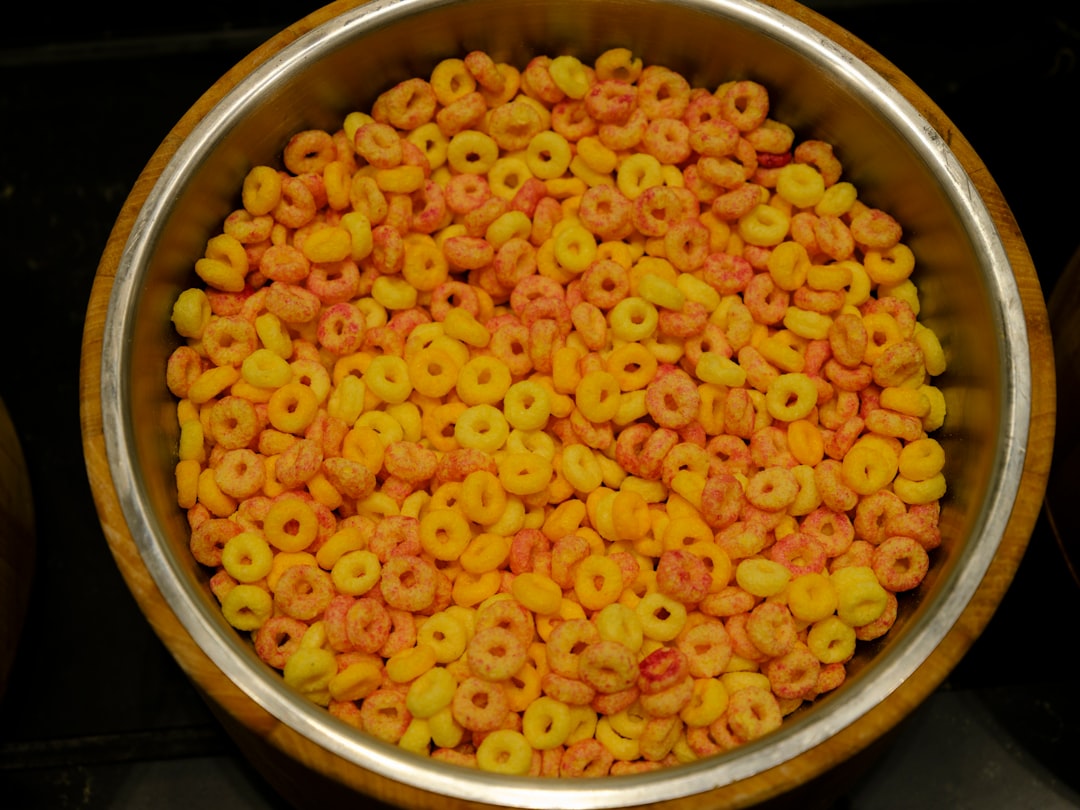
Last summer, I watched a family of four spend $78 on breakfast at their hotel restaurant while I enjoyed the exact same bacon, eggs, and fresh fruit just one floor up – completely free. That single meal cost them more than what I spend on breakfast for my entire week-long trips, and it got me thinking about how many travelers are missing out on one of the easiest ways to slash vacation costs.
Free hotel breakfast isn't just about grabbing a stale muffin and weak coffee anymore. I've been strategically using complimentary breakfast offerings to save serious money for over five years now, and I've calculated that this single strategy saves my family of three about $240 per week-long vacation. That's money we can put toward activities, souvenirs, or extending our trip by an extra day.
The Real Value of Hotel Breakfast Programs
Here's what most people don't realize: a decent breakfast for a family of four typically costs $60-80 at hotel restaurants, $45-60 at nearby cafes, or even $35-45 at fast food places in tourist areas. Multiply that by seven days, and you're looking at $245-560 per week just for breakfast. When hotels offer this for free, you're essentially getting a discount worth hundreds of dollars.
But not all free breakfasts are created equal. I've learned to distinguish between the different tiers, and trust me, it makes a huge difference in both satisfaction and savings:
- Continental breakfast: Basic pastries, cereal, coffee – saves about $15-20 per person daily
- Enhanced continental: Adds yogurt, fruit, maybe some hot items – saves $20-25 per person daily
- Full hot breakfast: Eggs, bacon, pancakes, the works – saves $25-35 per person daily
- Premium breakfast buffet: Multiple hot stations, fresh ingredients, specialty items – saves $30-45 per person daily
Hotel Brands That Actually Deliver on Breakfast
After staying at dozens of hotels across different chains, I've developed a personal ranking system. Some brands consistently knock it out of the park, while others leave you hunting for the nearest Starbucks by 9 AM.
The breakfast champions: Hampton Inn has never let me down – their waffles alone make it worth booking. Embassy Suites offers a full cooked-to-order breakfast that rivals many restaurants. Holiday Inn Express has surprisingly stepped up their game with pancake machines and decent coffee.
The reliable middle ground: Fairfield Inn, Comfort Inn, and most Marriott properties offer solid spreads that will definitely fuel your day and save you money.
The disappointments: I won't name names, but I've learned to read recent reviews specifically mentioning breakfast quality before booking. A "continental breakfast" that consists of packaged donuts and instant coffee isn't saving you much if you end up buying real food anyway.
Pro tip: Search hotel reviews using terms like "breakfast quality" or "morning food" to get honest opinions from recent guests. Photos in reviews are gold – they show you exactly what to expect.
Timing Strategies That Maximize Your Savings
Here's something I learned the hard way during a disastrous Orlando trip: breakfast timing can make or break your entire day's schedule and budget. Most hotel breakfasts run from 6 AM to 9:30 AM on weekdays, and 6 AM to 10 AM on weekends. But the sweet spot isn't when you think it is.
I used to roll down at 9 AM thinking I'd avoid crowds, only to find picked-over selections and empty warming trays. Now I hit breakfast between 7:30-8:30 AM. The early bird gets the fresh food, and you're out the door before the tour bus crowds arrive.
For families with theme park plans, this timing is perfect. You eat well, pack some fruit and pastries for later (most hotels don't mind if you're reasonable about it), and you're at the park gates when they open. This strategy alone saved us $40 in park snacks during our last Disney trip.
The Art of Strategic Breakfast Packing
Let's be honest – we're all thinking it, so I'll say it: taking some breakfast items for later is a game-changer, and most hotels expect reasonable amounts. I'm not talking about smuggling out entire meals, but grabbing a banana, some pastries, or yogurt for an afternoon snack is totally acceptable.
My family's standard breakfast haul includes eating a full meal at the hotel, then discretely packing:
- Fresh fruit for afternoon snacks
- Granola bars or pastries for the next day's hiking fuel
- Individual yogurts for emergency hunger moments
- Tea bags and packets of honey for evening room service
This strategy has saved us countless convenience store runs where a single banana costs $2 and a granola bar is $4. Over a week-long trip, we easily save another $50-70 in snack costs.
Booking Strategies to Guarantee Great Breakfast
Here's where I get strategic about bookings. Not all rooms at breakfast-included hotels actually include breakfast – I learned this lesson at a Hilton property where my "standard rate" room didn't include the breakfast that was advertised all over their website.
Always confirm breakfast inclusion before booking. I look for phrases like "breakfast included" rather than "breakfast available" or "on-site restaurant." If you're booking through third-party sites, double-check the hotel's direct website to verify what's included with your specific rate.
For business travelers, many hotels offer breakfast as a loyalty program perk. I signed up for free membership programs with major chains, and now I often get breakfast included even when it's not part of the base rate. Marriott Bonvoy, Hilton Honors, and IHG Rewards Club all offer breakfast perks at certain elite levels or property types.
International Hotel Breakfast: A World of Savings
If you think American hotel breakfasts are good, wait until you experience what the rest of the world offers. During my month in Europe last year, I discovered that international hotel breakfasts often put American versions to shame – and the savings are even more dramatic.
In Germany, our hotel breakfast included fresh breads, multiple types of cheese and meat, eggs, fruit, and coffee that didn't taste like it was brewed in a gym sock. This level of breakfast would have cost €25-30 per person at nearby cafes, but was included in our €89 hotel rate.
Japan takes breakfast to another level entirely. Traditional Japanese hotel breakfasts include rice, miso soup, grilled fish, pickled vegetables, and tea. At our Tokyo hotel, this spread would have cost ¥2,500 per person at restaurants, but was included in our booking. We calculated that breakfast alone saved us about $160 over four days.
Research local breakfast customs before traveling internationally. Understanding what to expect helps you fully appreciate and utilize what's offered, maximizing both cultural experience and savings.
When Hotel Breakfast Isn't Worth It
I'll be the first to admit that hotel breakfast isn't always the right choice. Sometimes the local food scene is too good to miss, or the hotel's offering is genuinely terrible. In New Orleans, I skipped the hotel's sad continental spread every day to experience beignets at Cafe du Monde and amazing breakfast spots in the French Quarter.
The key is doing the math. If hotel breakfast costs an extra $25 per night per person, but amazing local breakfast spots charge $15-20, it might be worth exploring. Plus, you're supporting local businesses and getting a more authentic travel experience.
Cities where I regularly skip hotel breakfast: New Orleans (the local breakfast scene is unbeatable), Portland (food trucks and local cafes are incredible), and any place known for specific breakfast specialties.
Making Hotel Breakfast Work for Dietary Restrictions
As someone who travels with family members who have dietary restrictions, I've learned to research breakfast menus ahead of time. Most hotel chains now accommodate gluten-free, vegetarian, and other dietary needs, but the quality and variety can be hit or miss.
Marriott properties generally offer gluten-free bread and clearly labeled options. Embassy Suites can often accommodate special requests if you call ahead. Some Hampton Inn locations have dedicated gluten-free stations.
For severe allergies or very restrictive diets, I recommend calling the hotel directly before arrival. Many properties are willing to work with you, and knowing what's available prevents morning disappointments and emergency grocery runs.
Your Breakfast Savings Action Plan
Free hotel breakfast can realistically save your family $200-400+ per week-long vacation when used strategically. Book hotels with quality breakfast programs, time your meals for the best selection, and don't be shy about taking reasonable amounts for later. Research breakfast quality in reviews before booking, and remember that sometimes the local food scene is worth the extra cost. With these strategies, you'll fuel your adventures while keeping your travel budget on track.