Deal
Deal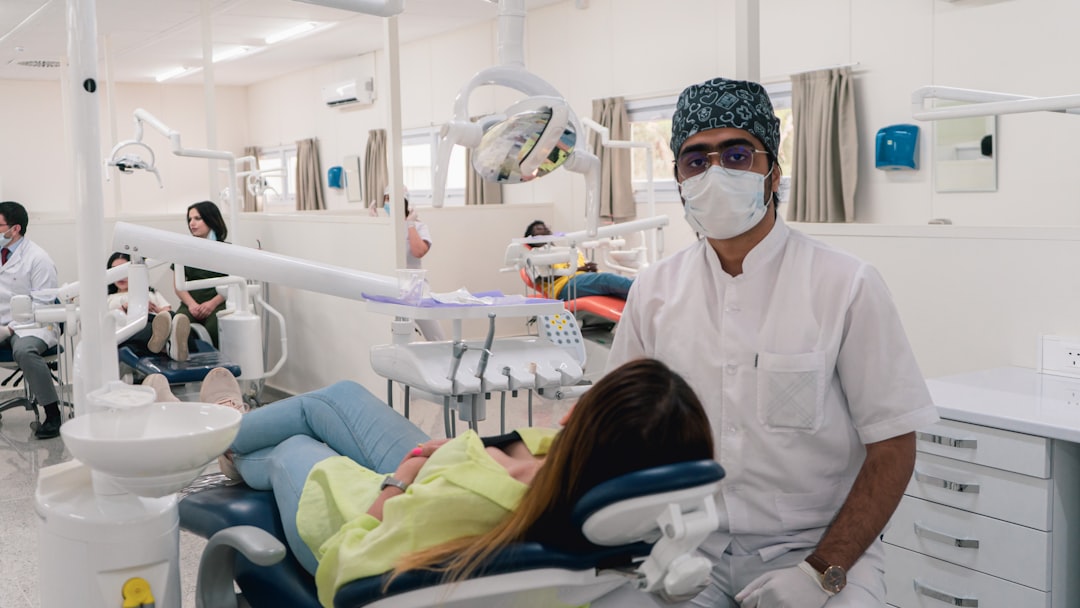
Last year, I was staring at a $16,000 quote for dental implants in Los Angeles. My insurance would cover maybe $1,500 if I was lucky. That's when my neighbor mentioned something that changed everything: "Why don't you just go to Mexico? My sister got her whole mouth done for like four grand."
I'll be honest – the idea terrified me at first. Getting dental work in another country? What if something went wrong? But after months of research and eventually taking the plunge, I saved over $12,000 and got better treatment than I expected. Here's everything I learned about dental tourism and how you can save a fortune on quality dental care.
Why Dental Tourism Makes Financial Sense
The numbers are honestly shocking when you break them down. A single dental implant in the US averages $3,000-$5,000. In countries like Mexico, Thailand, or Hungary, that same implant costs $800-$1,500 – and that's at top-rated clinics with American-trained dentists.
I needed four implants plus some additional work. Here's what the math looked like:
- US Total: $16,400 (implants + crowns + procedures)
- Mexico Total: $4,200 (same work, same materials)
- Travel Costs: $800 (flight + hotel + meals)
- Total Savings: $11,400
Even with flights and a week-long stay, I saved over 70%. But here's the thing – this only works if you do it right. I made some mistakes along the way that could have been costly.
Top Destinations for Affordable Dental Care
Not all dental tourism destinations are created equal. Through my research and talking to others who've done this, here are the standout options:
Mexico (My Choice)
Tijuana, Los Algodones, and Cancun are dental tourism hotspots. I went to Los Algodones, which is literally called "Molar City" because it has over 300 dental offices in a two-square-mile area. The proximity to the US border made it perfect for multiple visits.
- Savings: 60-80% compared to US prices
- Travel time: Short flights or driving distance
- Language: Most dentists speak fluent English
- Best for: Major work like implants, crowns, full mouth reconstruction
Thailand
Bangkok and Phuket have world-class dental facilities. A friend did her veneers there and was blown away by the spa-like experience. The downside? It's far, so you need to plan for longer stays.
Hungary
Budapest is Europe's dental tourism capital. Great for Europeans or if you're combining dental work with a European vacation.
Costa Rica
San José has excellent facilities and many American expats, so there's a whole infrastructure built around medical tourism.
How to Research and Choose a Clinic
This is where I initially messed up. My first instinct was to just find the cheapest option online. Don't do this. Here's my step-by-step process for finding a legitimate clinic:
Start with Accreditation
Look for clinics accredited by international organizations. In Mexico, I searched for facilities certified by the Mexican Dental Association. Many top clinics also pursue American Dental Association recognition.
Check Dentist Credentials
My dentist in Los Algodones actually trained at UCLA. Many international dentists get their education or additional training in the US or Europe. This information should be readily available on their website.
Read Reviews Carefully
Don't just look at Google reviews – dig deeper. I found Facebook groups specifically for dental tourism where people shared detailed experiences, photos, and recommendations. The group "Dental Tourism Support" has over 50,000 members sharing real experiences.
Video Consultations
Most reputable clinics offer free video consultations. I had calls with three different clinics before deciding. They reviewed my X-rays, explained their process, and answered all my questions. If a clinic won't do this, that's a red flag.
"Always ask for before-and-after photos of recent patients who had similar work done. Legitimate clinics will happily share these (with patient permission) because they're proud of their results."
Planning Your Trip for Maximum Savings
Timing and logistics can make or break your dental tourism experience. Here's what I learned about planning:
Book During Off-Peak Seasons
I went to Mexico in September, avoiding both US vacation seasons and Mexican holidays. Many clinics offer 10-15% discounts during slower periods. Plus, flights and hotels are cheaper.
Plan for Multiple Visits
Major work like implants requires healing time between procedures. My treatment required three visits over six months. Some people try to rush everything into one trip – this is usually a mistake that can compromise results.
Consider Package Deals
Many clinics partner with hotels and offer package deals. My clinic had arrangements with a nearby hotel that included airport transfers and a 40% room discount. These packages often save 20-30% compared to booking separately.
Bring a Companion
Having someone with you is helpful, especially after procedures when you might be groggy or uncomfortable. Plus, it makes the trip more enjoyable during downtime.
What to Expect: My Experience
Let me walk you through what actually happened when I went to Los Algodones. This will give you a realistic picture of the process:
Day 1: Consultation and X-rays
The clinic was genuinely nicer than my dentist's office in LA. Modern equipment, spotlessly clean, and English-speaking staff. They did comprehensive X-rays and a 3D scan, then spent two hours going over my treatment plan.
Day 2: First Procedures
They extracted two damaged teeth and did bone grafts where the implants would go. The pain management was excellent – I was given detailed post-care instructions and prescription pain medication.
Recovery Period
I returned home for three months to let everything heal. The clinic provided detailed photos and reports for my US dentist to monitor the healing process.
Subsequent Visits
Two more trips for implant placement and final crowns. Each visit was smooth, professional, and exactly on schedule.
Potential Risks and How to Minimize Them
I'd be lying if I said there weren't risks. Here are the main concerns and how to protect yourself:
Quality Control Issues
Stick to clinics that use the same materials and brands used in the US. My implants were Nobel Biocare – the same brand my LA dentist would have used.
Limited Recourse for Problems
If something goes wrong after you return home, fixing it locally can be expensive. That's why choosing an established clinic with a solid warranty is crucial. My clinic offers a 10-year warranty and has US partnerships for emergency care.
Communication Barriers
Even when dentists speak English well, nuances can get lost. I brought a translator app and wasn't afraid to ask for clarification multiple times.
Travel Complications
Flight delays or cancellations can mess up treatment schedules. I always booked refundable flights and arrived a day early to avoid timing issues.
Insurance and Payment Strategies
Here's something that surprised me: some US dental insurance plans actually cover work done abroad. Mine didn't, but I learned some helpful strategies:
HSA/FSA Accounts
You can use Health Savings Account or Flexible Spending Account funds for qualified dental work abroad. This can save you 20-30% in taxes on your out-of-pocket costs.
Medical Credit Cards
Cards like CareCredit often work at international clinics and offer 0% financing for 12-24 months. This can help spread out the costs.
Travel Insurance
Some travel insurance policies cover emergency dental work. It's worth checking if your policy includes this coverage.
Red Flags to Avoid
Through my research, I encountered several sketchy operations. Here are warning signs to watch for:
- Pressure tactics: "Limited time offer" or "book now" pressure
- No consultation process: Clinics that quote prices without seeing your case
- Unrealistic promises: "Complete smile makeover in 3 days" type claims
- No physical address: Or addresses that don't match their claimed location
- Payment only by wire transfer: Legitimate clinics accept credit cards
- No warranty or follow-up: Good clinics stand behind their work
Alternatives to Consider
Dental tourism isn't right for everyone. Here are other ways to save on dental care:
Dental Schools
Dental students need practice, and their work is supervised by licensed dentists. I've seen savings of 40-60% compared to private practice rates.
Community Health Centers
Federally Qualified Health Centers offer sliding scale fees based on income. Even middle-income families can sometimes qualify for significant discounts.
Dental Savings Plans
These aren't insurance, but membership plans that offer discounts at participating dentists. Annual fees are usually $100-200, and discounts can be 20-50%.
The Bottom Line
Dental tourism can offer massive savings – I personally saved over $12,000 – but success depends entirely on thorough research and choosing the right clinic. Don't let fear keep you from exploring this option, but don't rush into it either. Take time to research, get multiple consultations, and plan carefully. When done right, you can get excellent dental care for a fraction of US prices while potentially turning a medical necessity into a mini-vacation. Just remember: the cheapest option isn't always the best option. Focus on value, credentials, and your comfort level with the clinic and dentist.