Deal
Deal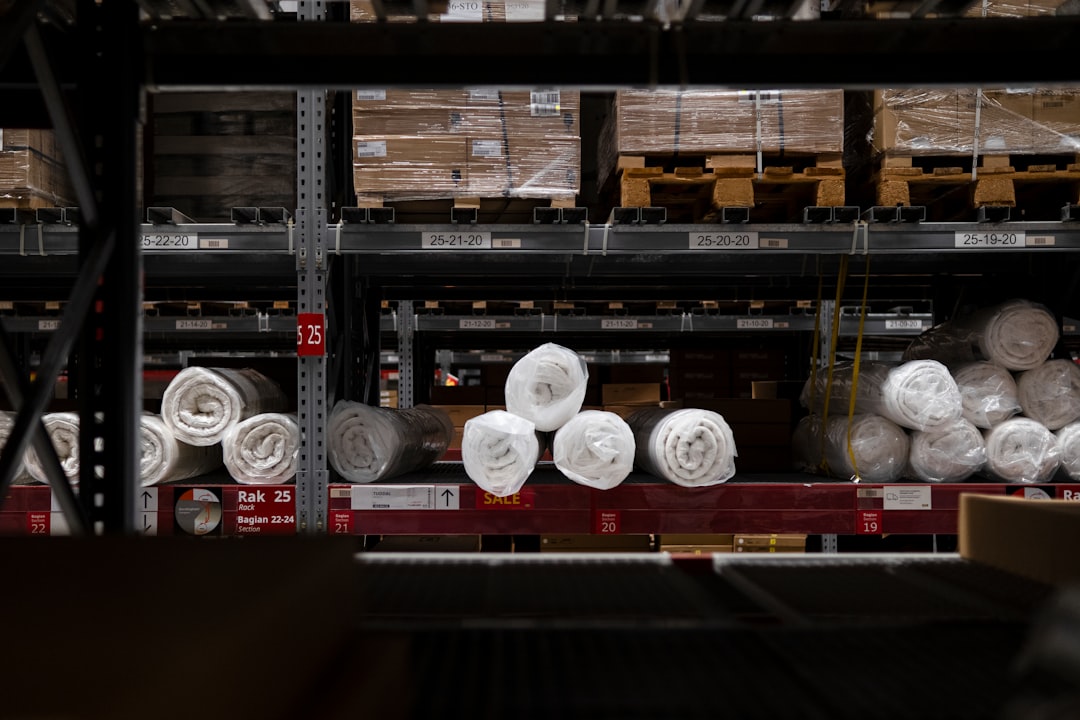
Last year, I was staring at my worn-out living room carpet wondering how I'd afford the $4,000 quote I'd gotten for new flooring. That's when my neighbor mentioned something called "carpet end rolls" – and honestly, I had no idea what she was talking about. Fast forward six months, and I've got gorgeous new carpet throughout my main floor for just $800. Here's everything I learned about this flooring industry secret that could save you thousands.
What Are Carpet End Rolls Anyway?
Think of carpet end rolls as the "ugly fruit" of the flooring world – perfectly good product that doesn't fit the traditional retail model. When carpet manufacturers produce rolls for big box stores, they often end up with leftover pieces that are too short for standard room installations but too good to throw away.
These remnants typically range from 50 to 200 square feet, and they're sold at a fraction of retail price. I'm talking 60-80% off what you'd pay at Home Depot or Lowe's. The catch? You have to work with what's available, and you need to know where to look.
Where to Hunt Down These Hidden Gems
Finding carpet end rolls requires a bit of detective work, but trust me, it's worth the effort. Here are the goldmine locations I've discovered:
Carpet Warehouses and Wholesale Dealers
This is where I struck gold. Most cities have at least one carpet warehouse that sells to both contractors and the public. I found mine by googling "carpet warehouse [my city]" and calling around. The key is asking specifically about "end rolls" or "remnants" – not just regular inventory.
Flooring Installation Companies
Here's a tip that saved me big time: I called three local carpet installation companies and asked if they ever had leftover materials from jobs. Two of them actually keep a small inventory of end rolls for exactly these situations. One installer even offered to install my purchase for just the labor cost since he was already familiar with the product.
Online Marketplaces
Facebook Marketplace and Craigslist have become surprising treasure troves for carpet remnants. I set up alerts for "carpet remnant," "end roll," and "leftover carpet" in my area. Pro tip: search during spring cleaning season (March-May) when contractors are clearing out their storage.
Always ask for the carpet's specifications including pile height, fiber content, and manufacturing date. Carpet older than 2-3 years may have outdated backing that affects installation.
What to Look for (And What to Avoid)
Not all carpet end rolls are created equal. Here's my checklist for separating the deals from the duds:
The Good Stuff
- Recent manufacturing dates: Look for carpet made within the last 2-3 years
- Name brand materials: Shaw, Mohawk, and Stainmaster end rolls hold their value
- Consistent dye lots: Make sure all pieces you need come from the same production run
- Clean, undamaged edges: Frayed or dirty edges indicate poor storage
- Proper measurements: Always verify square footage yourself – I've seen "estimates" that were off by 20%
Red Flags to Avoid
- Musty odors: Could indicate water damage or mold
- Faded sections: Sign of sun damage or chemical exposure
- Loose backing: The carpet backing should be firmly attached
- No manufacturer information: You want to know what you're buying for warranty purposes
Measuring and Planning Like a Pro
This is where most people mess up, and I almost did too. You can't just estimate – you need exact measurements and a solid plan.
I learned to draw my room layout on graph paper, marking every doorway, closet, and furniture placement. Then I calculated not just the square footage, but also considered the carpet's directional pile. Most carpets have a grain direction, and you want all pieces installed the same way for consistent appearance.
Here's my measurement formula: actual room square footage + 10% waste allowance + seaming considerations. For my 300 square foot living room, I actually needed about 340 square feet to account for cuts and waste.
Installation: DIY vs Professional
I'll be honest – installing carpet isn't as straightforward as laying down area rugs. But it's not rocket science either, and the savings can be massive.
When to DIY
I handled the installation myself for my bedroom – a simple rectangular room with no tricky angles. For basic rooms under 200 square feet, DIY can work if you:
- Rent proper tools (knee kicker, seaming tape, carpet tucker)
- Watch multiple YouTube tutorials first
- Have a helper for the heavy lifting
- Allow extra time for mistakes
When to Call in Professionals
For my living room with its weird alcove and multiple doorways, I hired an installer. The $300 labor cost was worth it to avoid a $1,500 mistake. Complex layouts, stairs, and rooms over 300 square feet usually warrant professional installation.
Get installation quotes before buying your carpet. Some installers charge more for end rolls because they require more precise cutting and planning.
Negotiation Tactics That Actually Work
Everything is negotiable in the carpet remnant world. Here's what I learned about getting the best deals:
Bundle Multiple Pieces
When I found a warehouse with several rolls I liked, I offered to buy all of them for a bulk discount. The owner knocked 15% off my total because it cleared inventory space.
Point Out Imperfections
That small stain on the edge? The slightly uneven cut? These aren't deal-breakers – they're negotiation points. I got $50 off one roll by pointing out a 2-inch section that would need to be trimmed anyway.
Offer Cash
Cash still talks in the remnant business. Several sellers offered me additional discounts for avoiding credit card processing fees.
Timing Your Purchase for Maximum Savings
Like everything else, timing matters with carpet end rolls. Here's when I found the best selection and prices:
- January-February: Contractors clearing out inventory after the holidays
- Late spring: End of "indoor project" season
- August-September: Back-to-school rush creates more residential remnants
- End of quarter: Warehouses clearing inventory for accounting purposes
Quality Control and Final Inspection
Before taking any carpet home, I learned to do a thorough inspection. I roll out a corner to check for:
- Consistent pile height across the entire piece
- Color matching between sections
- Proper edge finishing
- Backing integrity
- Any manufacturing defects
I also take photos of any existing issues and get written acknowledgment from the seller. This saved me from a dispute when I discovered a small burn mark that was already there.
The Bottom Line on My Carpet Adventure
After eight months with my end roll carpet, I can honestly say it looks just as good as anything I could have bought retail. The key is patience, thorough inspection, and realistic expectations about selection.
My total investment: $800 for materials and $300 for professional installation in the tricky areas. Compare that to the $4,000 quote I originally received, and I saved $2,900 – enough for the new furniture I needed to complete the room makeover.
Key Takeaway
Carpet end rolls can deliver 60-80% savings on quality flooring, but success requires careful measurement, thorough inspection, and realistic expectations about selection. Start your search at local carpet warehouses and installation companies, always verify measurements yourself, and don't be afraid to negotiate. With patience and proper planning, you can achieve high-end flooring results on a bargain budget.