Deal
Deal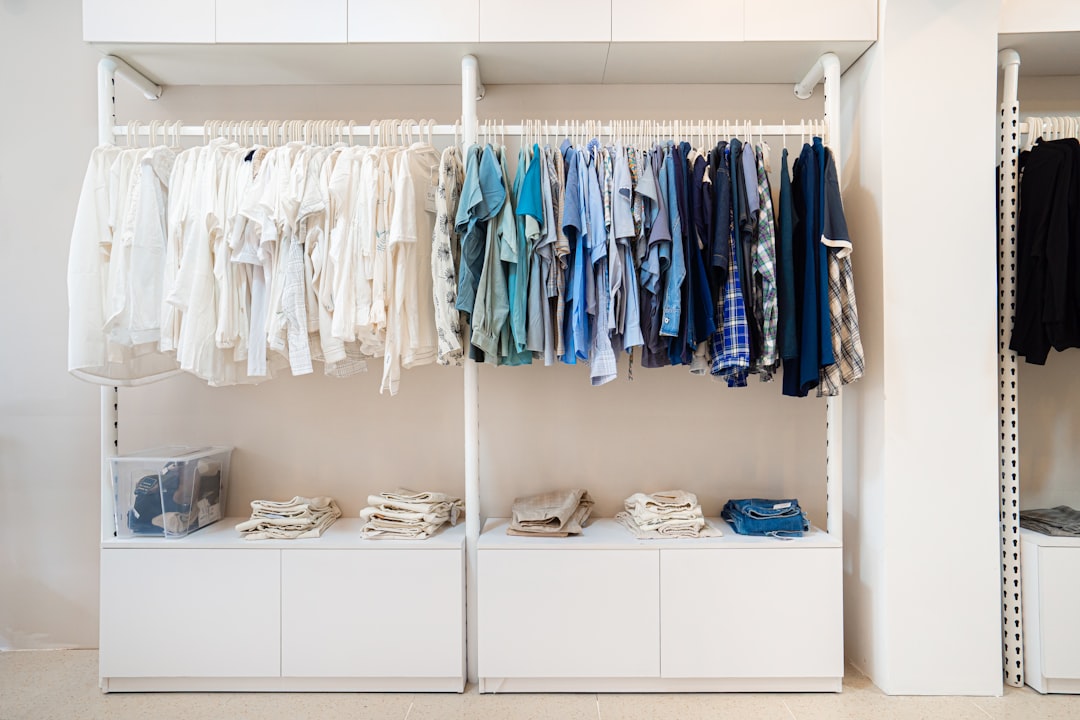
Last year, I counted my closet items and nearly choked on my coffee. I owned 127 pieces of clothing but wore the same 12 outfits on repeat. Sound familiar? That's when I discovered the mathematical magic of capsule wardrobes – and how 15 strategically chosen pieces could create more outfit combinations than my overflowing closet ever did.
Here's the thing about capsule wardrobes that most people get wrong: it's not about having fewer clothes, it's about having the right clothes. After two years of refining my system, I've cracked the code on building maximum versatility with minimum investment.
The Capsule Wardrobe Formula That Actually Works
Traditional capsule wardrobe advice tells you to pick "neutral colors" and "classic pieces," but that's like telling someone to "just eat healthy." Where's the actual roadmap? After testing different combinations for months, I developed what I call the 15-Piece Power Formula:
- 3 Bottoms (1 jean, 1 trouser, 1 versatile skirt/dress)
- 6 Tops (2 basic tees, 2 blouses, 1 sweater, 1 blazer)
- 3 Layers (1 cardigan, 1 jacket, 1 coat)
- 3 Shoes (1 sneaker, 1 dress shoe, 1 boot)
This isn't random – it's based on the mathematical principle that the number of outfit combinations grows exponentially, not linearly, as you add compatible pieces.
The Math Behind Maximum Combinations
Here's where it gets exciting. With my 15-piece formula, you're not just getting 15 outfits – you're getting 54 unique combinations for basic outfits alone. Add in seasonal layering, and you're looking at 80+ distinct looks.
Let me break down the math:
- 3 bottoms × 6 tops = 18 base combinations
- 18 combinations × 3 layer options = 54 core outfits
- Factor in shoe variations and seasonal adjustments = 80+ total looks
Compare this to my old closet: 127 items that I mixed and matched into maybe 20 outfits because nothing worked together cohesively.
The secret isn't having more pieces – it's ensuring every piece works with at least 70% of your other items. I call this the "compatibility rule," and it's the difference between a closet and a wardrobe system.
My $2,000 Savings Breakthrough
Before my capsule wardrobe experiment, I was spending roughly $2,800 annually on clothes. Impulse purchases, trend chasing, and buying items that didn't match anything I owned. Last year? I spent $790 total and felt more stylish than ever.
The savings came from three key changes:
- Elimination of impulse buys: Every potential purchase now has to pass the "works with 10+ existing items" test
- Higher quality, fewer pieces: I buy $80 jeans that last 3 years instead of $30 jeans I replace every 8 months
- End of trend shopping: My pieces are chosen for longevity, not for whatever's trending on social media
The math is simple: fewer, better pieces that work together cost less than many random pieces that don't.
Color Coordination: The 3+2+1 Rule
Most capsule wardrobe guides tell you to stick with black, white, and beige. Boring! Instead, I use what I call the 3+2+1 color formula:
- 3 Neutral bases: These form 70% of your wardrobe (navy, gray, cream for me)
- 2 Accent colors: These add personality (burgundy and forest green)
- 1 Pop color: For when you want to make a statement (coral)
This system ensures everything coordinates while still allowing for personality and seasonal variation. My burgundy sweater works with navy jeans, gray trousers, and cream skirts. That's 3 bottoms × 3 layering options × 3 shoe choices = 27 different outfits from one sweater.
Shopping Strategy: The One-In-Three-Out Test
Here's my foolproof method for adding new pieces without breaking the system. Before buying anything new, it must:
- Work with at least 10 existing pieces (I literally count)
- Fill a genuine gap (not duplicate what I already own)
- Be higher quality than what I might replace
Last month, I wanted a new blazer. I found a gorgeous emerald green one on sale for $45. But when I did the math, it only worked with 4 of my existing pieces. I passed and found a navy blazer for $65 that worked with 13 pieces. The cost per outfit? Navy blazer: $5 per outfit combination. Green blazer: $11.25 per outfit combination.
Seasonal Transitions Without Buying New
The beauty of a well-planned capsule is that seasonal changes require minimal additions. Here's how I transition my 15-piece wardrobe through the year:
Spring/Summer adjustments:
- Swap wool sweater for cotton cardigan
- Replace boots with sandals
- Add one lightweight dress (temporarily making it 16 pieces)
Fall/Winter adjustments:
- Layer turtleneck under summer dresses
- Add heavier coat
- Switch sandals back to boots
Total seasonal shopping: maybe 2-3 pieces per year, compared to the complete wardrobe overhauls I used to do.
Quality Indicators That Actually Matter
Since you're buying fewer pieces, quality becomes crucial. After learning this lesson the expensive way, here are my non-negotiable quality checkpoints:
- Seam quality: Straight, even stitching with no loose threads
- Fabric weight: Hold it up to light – if you can see through a t-shirt, it won't last
- Hardware: Buttons should feel substantial, zippers should move smoothly
- Care requirements: If it requires dry cleaning, I calculate that cost into the price per wear
My $80 white button-down has been worn 40+ times in 8 months. Cost per wear: $2 and dropping. Compare that to a $25 shirt I replaced after 6 wears – that's $4.17 per wear for inferior quality.
The Outfit Planning System
To maximize your combinations, you need a system for actually creating outfits. I spend 10 minutes every Sunday planning the week's looks using my phone's camera:
- Photograph 7 outfit combinations laid out on my bed
- Save them in a phone album called "This Week"
- Note any gaps where I'm struggling to create variety
This prevents morning decision fatigue and helps me spot when I'm falling into outfit ruts. Plus, photographing combinations often reveals new pairings I hadn't considered.
Common Mistakes That Kill Capsule Success
I've watched friends attempt capsule wardrobes and fail. Here are the mistakes I see repeatedly:
- Starting too restrictively: Don't jump from 100 pieces to 20 overnight. I started with 30 pieces and refined down over 6 months
- Ignoring lifestyle: Your capsule should reflect your actual life, not your aspirational Instagram life
- Choosing boring over personal: A capsule wardrobe should still express your personality
- Forgetting about fit: 15 perfectly-fitted pieces beat 50 okay-fitting ones every time
My friend Sarah built a beautiful neutral capsule that looked great in theory but made her feel invisible. We added her signature red lipstick's matching red accessories, and suddenly her 15 pieces felt like her again.
Your Capsule Wardrobe Action Plan
Start by photographing every outfit you wear for two weeks – this reveals your actual style preferences versus what you think you like. Then, identify which pieces appear most frequently and build around those proven winners. Remember: a successful capsule wardrobe isn't about restriction, it's about intention. When every piece works with every other piece, getting dressed becomes effortless and economical.